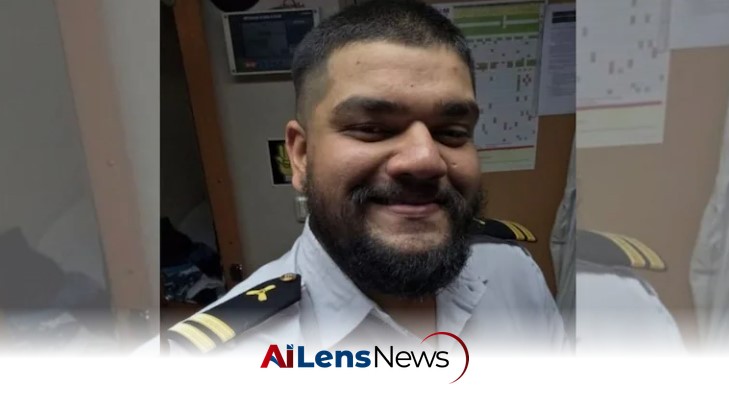


Heramb Karmarkar, an Indian marine engineer, sent a reassuring message to his family moments before a fatal attack on his ship near the Strait of Hormuz.
Kuwait City, Kuwait Jul 15, 2026 ALN: The tragic death of Indian marine engineer Heramb Karmarkar has brought to light the perils faced by seafarers operating in volatile regions of the world. Karmarkar, who was only 30 years old and hailed from Pune, was among the crew of the Cyprus-flagged container vessel GFS Galaxy, which was attacked near the Strait of Hormuz, a strategic waterway that plays a crucial role in global oil transportation. The incident occurred on a Sunday, and Karmarkar's family received his last reassuring message shortly before the attack, indicating that the ship had safely crossed the Gulf.
This message, which simply stated, "The ship has safely crossed," was the last communication received by his family, highlighting the suddenness and unpredictability of maritime dangers in this region. The Strait of Hormuz is notorious for being a flashpoint of geopolitical tensions, with various nations asserting their influence over the passage that sees a significant portion of the world's oil supply transit through it. This waterway, measuring only about 21 miles in width at its narrowest point, is a critical chokepoint, with around 20% of the world's oil supply passing through it daily.
Following the attack, Karmarkar was reported missing along with several other crew members. His family confirmed his death on the following Wednesday, a heartbreaking development that underscores the risks faced by those who work at sea. The emotional toll on the families of seafarers can be profound, as they often endure long periods of uncertainty when incidents like this occur. Karmarkar's father-in-law, Vivek Tandon, expressed the family's anguish and their plea to the Indian government to ensure that Karmarkar's body is returned home intact. Tandon's request highlights not only their grief but also the cultural significance of repatriating the deceased, which is a common practice in many Indian families. In Indian culture, the rituals surrounding death and the return of the body to the homeland are deeply rooted, adding layers of emotional distress to families already grappling with loss.
India's Ministry of External Affairs (MEA) reported that, while Karmarkar was confirmed dead, ten other Indian nationals aboard the GFS Galaxy were rescued, and one crew member remains unaccounted for. This incident raises broader questions about the safety protocols in place for vessels operating in high-risk areas and the responsibilities of shipping companies to ensure the safety of their crews. The GFS Galaxy, like many vessels operating in these waters, is expected to have stringent safety measures in place; however, the effectiveness of these measures is called into question following such incidents.
The attack on the GFS Galaxy is part of a larger pattern of maritime insecurity in the region, which has seen a rise in incidents involving piracy, hijacking, and military confrontations. The Strait of Hormuz, which connects the Persian Gulf with the Gulf of Oman, is particularly vulnerable due to its narrow passage and the high volume of maritime traffic. The increasing frequency of attacks in this region not only threatens the lives of seafarers but also poses a significant risk to global trade and energy supplies.
In recent years, tensions between Iran and various Western nations, particularly the United States, have escalated, leading to fears of military confrontations that could disrupt shipping routes. The presence of naval forces from multiple countries in the region aims to deter hostile actions, but incidents like the attack on the GFS Galaxy raise concerns about the effectiveness of these measures. The geopolitical landscape in the region is complex, with various actors involved, each with their own interests, which complicates the situation further. The potential for miscalculations or provocations in such a tense environment increases the risk for commercial shipping operations.
The implications of such attacks extend beyond the immediate loss of life; they can also affect global oil prices and shipping insurance rates, as companies reassess the risks associated with operating in these waters. The maritime industry is sensitive to fluctuations in risk perception, and incidents like this can lead to increased insurance premiums, which are ultimately passed on to consumers. As investigations into the attack on the GFS Galaxy continue, the families of the crew members are left to navigate their grief and uncertainty, while policymakers and maritime authorities must grapple with the ongoing challenges of ensuring the safety of maritime navigation in high-risk areas.
In addition to the immediate concerns for the safety of seafarers, this incident highlights the need for stronger international cooperation in addressing maritime security threats. Countries that rely on the Strait of Hormuz for their energy supplies must work together to ensure safe passage for commercial vessels. This could involve enhanced surveillance, intelligence sharing, and coordinated naval patrols to deter potential attacks. Collaborative efforts, such as joint naval exercises and the establishment of communication protocols among vessels operating in the region, could be pivotal in enhancing maritime security.
The emotional impact on families like Karmarkar's cannot be understated. The uncertainty of not knowing the fate of loved ones at sea can be devastating. The maritime industry, which employs millions globally, must prioritize the well-being and safety of its workers. This includes not only physical safety measures but also mental health support for families who face the anxiety of long separations and the potential for tragic outcomes. Mental health resources, crisis counseling, and support networks for families of seafarers are essential components that need to be integrated into the industry's operational framework.
In conclusion, the tragic final message of Heramb Karmarkar serves as a poignant reminder of the dangers faced by seafarers and the families they leave behind. As the investigation into the attack on the GFS Galaxy unfolds, it is imperative that stakeholders in the maritime industry, governments, and international organizations work collaboratively to enhance safety and security in one of the world's most vital shipping routes. The loss of Karmarkar is not just a personal tragedy for his family but also a call to action for a safer maritime environment for all seafarers. The maritime industry must take proactive steps to address the risks associated with operating in high-risk areas, ensuring that no family has to endure the heartbreak that Karmarkar's family is currently facing.
To learn more about the latest developments in Crime & Law, stay updated with our exclusive reports and analyses on AiLensNews.

