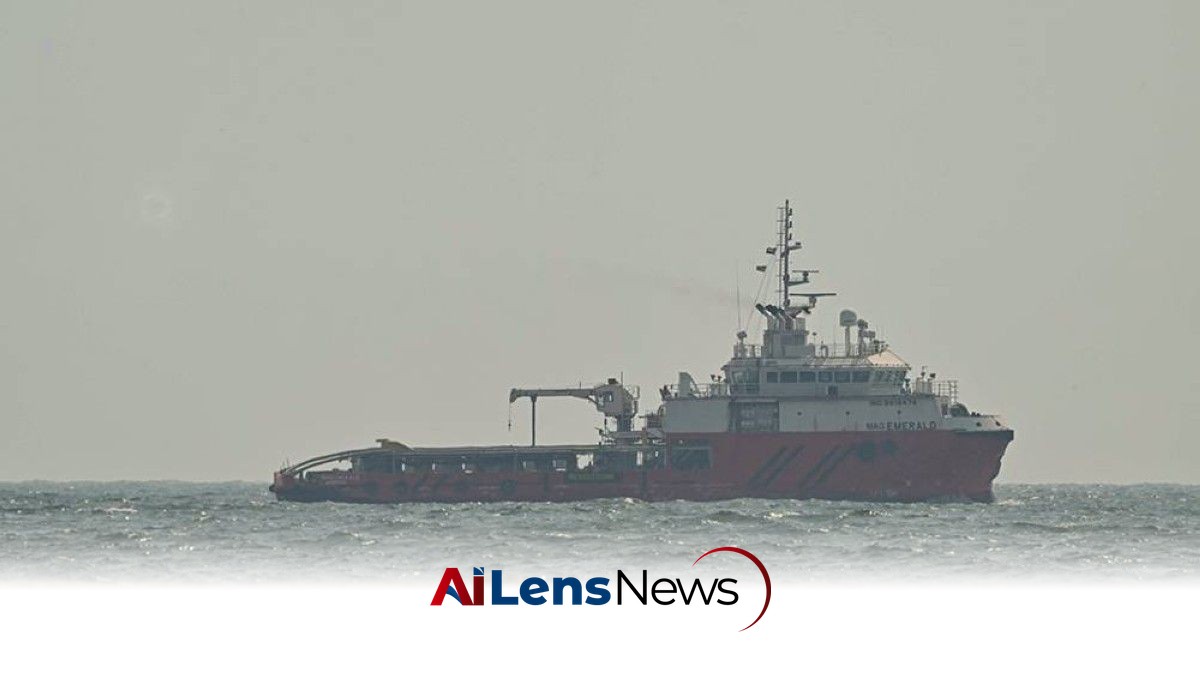


India summoned Iran's diplomat to express outrage over attacks on vessels in the Strait of Hormuz, resulting in the death of an Indian seafarer.
Kuwait City, Kuwait Jul 14, 2026 ALN: India summoned Iran’s senior diplomat in New Delhi on Tuesday to protest against attacks on two commercial vessels in the Strait of Hormuz that killed an Indian seafarer and wounded several others. The incident has raised significant concerns regarding maritime security in one of the world's most crucial shipping lanes, which is pivotal for global oil transportation.
The Indian foreign ministry stated that it had summoned the deputy chief of mission of the Iranian embassy in the capital to register "a strong protest" against the attacks reported early on Tuesday. The two vessels, identified as MT Al Bahiyah and MT Mombasa, had a total of 46 crew members, including 30 Indians, one of whom has "tragically lost his life," it said in a statement. The loss of life underscores the human cost of rising tensions in the region.
“India is deeply concerned by the attacks on two vessels during their transit through the Strait of Hormuz today,” the foreign ministry articulated. This statement reflects India's position on the safety of its nationals and its commitment to protecting its maritime interests. The Iranian embassy, when contacted for comments, declined to respond, highlighting the sensitive nature of the situation and the potential diplomatic fallout.
India and Iran share a longstanding relationship rooted in centuries of cultural and trade links, with modern diplomatic ties balancing strategic interests despite geopolitical pressures. Historically, both nations have engaged in trade, cultural exchanges, and mutual cooperation in various sectors, including energy. However, the recent attacks have strained this relationship, placing India in a challenging position as it navigates its ties with Iran while also considering its broader strategic partnerships, particularly with the United States.
The attacks on commercial vessels come at a time of heightened tensions in the Middle East, particularly following a series of military actions and retaliatory strikes between the United States and Iran. Tuesday’s incidents occurred shortly after the United States launched a fresh salvo of strikes against Tehran, marking a new escalation in the resumption of hostilities in the region. This backdrop of conflict complicates diplomatic efforts and raises the stakes for countries like India that have significant economic and strategic interests in the area.
India is one of the largest contributors of sailors to merchant shipping worldwide, with more than 320,000 active seafarers in 2025, according to its shipping ministry. The substantial number of Indian seafarers underscores the critical importance of maritime security for India’s economy, which relies heavily on the safe passage of goods and energy supplies through international waters. The foreign ministry also called for an immediate cessation of violence and a return to dialogue and diplomacy "in keeping with international law." This call for dialogue highlights India's preference for peaceful resolution over military escalation, reflecting its broader foreign policy approach that emphasizes diplomacy.
In a related incident, another commercial vessel with 11 Indians on board was attacked off the coast of Oman on Sunday. Ten Indians were rescued, but one remains missing. This incident further illustrates the growing peril for maritime operations in the region and raises questions about the safety protocols and protective measures in place for commercial shipping. The Strait of Hormuz, a vital shipping route through which about a fifth of the world’s oil passed before the war broke out on February 28, is a major point of contention between the United States and Iran, and the recent attacks have amplified concerns over the security of this critical corridor.
US President Donald Trump vowed on Monday to charge all cargo shipped through the waterway to pay for keeping it open, and to reinstate a blockade on Iranian ships lifted last month. This statement signifies a shift in the US approach towards maritime security in the region and suggests a willingness to take more aggressive measures to ensure the safety of shipping lanes. Such actions could lead to increased tensions and further complicate the already volatile situation in the Middle East.
The implications of these developments are profound, not only for India but for regional stability as a whole. The potential for escalation in military confrontations poses risks not just to the shipping industry but also to the economies of nations reliant on oil imports. As tensions rise, countries may be compelled to reassess their maritime security strategies and diplomatic engagements to safeguard their interests.
Moreover, the international community is likely to watch closely how India navigates this crisis, given its relationships with both Iran and the United States. India has traditionally maintained a non-aligned stance, but the current geopolitical landscape may challenge this position. The need for a balanced approach that prioritizes the safety of Indian nationals while also addressing the broader implications of regional conflicts is crucial.
In conclusion, the recent attacks on commercial vessels in the Strait of Hormuz have not only resulted in tragic loss of life but have also highlighted the fragile nature of maritime security in a geopolitically sensitive region. As countries like India respond to these challenges, the need for effective dialogue and diplomatic solutions becomes increasingly important to prevent further escalation and ensure the safety of international shipping routes.
The Strait of Hormuz, which connects the Persian Gulf with the Gulf of Oman, is a narrow passage that has historically been a flashpoint for conflicts involving Iran and Western nations. The strategic significance of this waterway cannot be overstated, as it is a conduit for approximately 20% of the world’s oil supply. Any disruption in this region can have far-reaching consequences for global oil prices and supply chains.
In light of these recent events, maritime security measures are likely to be reevaluated not only by India but by other nations with interests in the region. The potential for increased naval presence, surveillance operations, and international coalitions aimed at ensuring safe passage for commercial vessels may become a focal point of discussion in diplomatic circles. Furthermore, the role of international organizations and forums in facilitating dialogue and crisis management in the region may gain renewed importance.
As the geopolitical landscape evolves, the interplay between regional powers and external influences will continue to shape the security dynamics of the Strait of Hormuz. Countries like India, which have a vested interest in maintaining stability in the region, will need to navigate a complex web of alliances and rivalries to safeguard their national interests and the welfare of their citizens.
In the coming days and weeks, it will be crucial to monitor the responses from both the Iranian government and the United States, as well as the reactions from other nations affected by these developments. The potential for further military engagements or diplomatic overtures will significantly influence the trajectory of this crisis and its implications for maritime security in one of the world's most vital waterways.
To learn more about the latest developments in World News & International Affairs, stay updated with our exclusive reports and analyses on AiLensNews.

