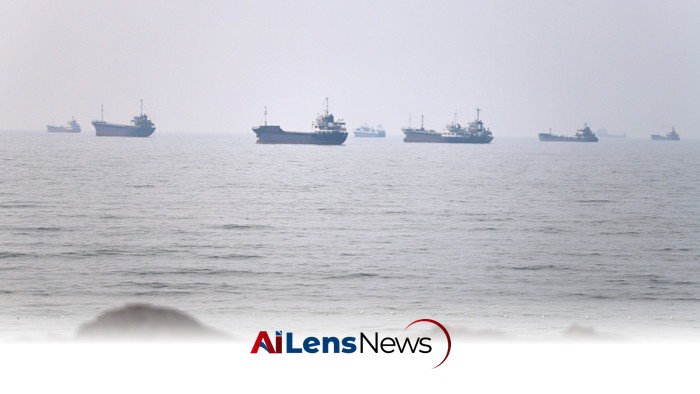


Vessel traffic in the Strait of Hormuz has plummeted to an eight-vessel daily low as shipowners avoid the region due to ongoing Middle East hostilities.
Kuwait City, Kuwait Aug 12, 2026 ALN: The Strait of Hormuz, a critical maritime chokepoint for global oil transportation, has recently experienced a significant decline in shipping traffic, hitting a one-week low of just eight vessels on Tuesday. This reduction in maritime activity underscores the heightened tensions in the Middle East, particularly between the United States and Iran, as well as the involvement of Iranian-aligned Houthi forces in Yemen. The Strait of Hormuz is not just a narrow passage; it is a lifeline for the global economy, with vast quantities of oil and gas flowing through it daily.
The Strait of Hormuz connects the Persian Gulf with the Gulf of Oman and is one of the most vital waterways in the world, with a significant percentage of the world’s oil supply passing through it. The strategic importance of this strait cannot be overstated; approximately one-fifth of the global oil supply is transported through this narrow passage. As such, any disruptions in this region can have far-reaching implications for global oil prices and energy security. The importance of the Strait of Hormuz has been recognized for decades, and it has historically been a focal point of geopolitical tensions, particularly involving Iran and its neighbors.
The decline in vessel traffic to a daily low of eight vessels is particularly concerning, as it reflects the apprehensions of shipowners and operators regarding the safety and security of their vessels in the region. The data from Kpler, which tracks global shipping patterns, indicates that the eight-vessel total is significantly below the 10-day average of around 12 vessels and represents the lowest level of traffic since August 5. Notably, only one vessel, identified as a coal carrier, successfully exited the strait on that day, while the remaining seven vessels were still navigating through the waterway, all utilizing the Iranian route. This trend raises questions about the reliability of maritime routes in a region fraught with instability.
Additionally, data from LSEG corroborates this trend, showing a decrease in vessel transits from 14 the previous day to just 11 on Tuesday. Historically, prior to the escalation of hostilities, the Strait of Hormuz would see daily traffic ranging from approximately 130 to 140 ships. This stark contrast illustrates the impact of the ongoing conflict and the resultant shipping disruptions. The decline in traffic is not merely a statistical anomaly; it reflects the broader climate of fear and uncertainty that has enveloped the region.
Compounding the situation, Iran has taken a firm stance regarding the closure of the Strait of Hormuz, asserting that it will remain closed unless the United States agrees to its conditions. This declaration has raised concerns about potential further escalations in the region, as the U.S. and its allies continue to engage in military actions against Iranian interests, particularly following the onset of U.S.-Israeli attacks on February 28. The uncertainty surrounding diplomatic resolutions and the potential for continued hostilities only adds to the precariousness of maritime operations in this vital corridor. The Iranian leadership has historically viewed the Strait of Hormuz as a strategic asset, and their willingness to use it as leverage in negotiations has been a consistent theme in their foreign policy.
In contrast to the situation in the Strait of Hormuz, vessel traffic through the Bab al-Mandab Strait, located at the southern entrance to the Red Sea, has shown a different trend. Kpler data indicated that 30 vessels crossed the Bab al-Mandab Strait on Tuesday, which is above the 10-day average of 25. This disparity in shipping activity between the two critical waterways highlights the varying levels of risk and operational considerations that shipping companies must navigate in different regions. The Bab al-Mandab Strait serves as a crucial passage for vessels traveling between Europe and Asia, and its relative stability compared to the Strait of Hormuz might encourage shippers to divert their routes accordingly.
The sharp reduction in traffic through the Strait of Hormuz not only signifies immediate operational challenges for shipping companies but also raises broader implications for global markets. The potential for increased oil prices is a significant concern for both consumers and businesses worldwide. Any sustained disruption in this key maritime route could lead to increased shipping costs, which would ultimately be passed down to consumers in the form of higher prices for goods and services. This ripple effect can exacerbate inflationary pressures in economies already grappling with post-pandemic recovery, leading to a complex interplay of economic factors that policymakers must navigate.
Moreover, the geopolitical ramifications of the ongoing tensions in the Middle East extend beyond the immediate economic impacts. The situation in the Strait of Hormuz is a focal point of international attention, as various nations closely monitor developments to assess their own strategic interests and security postures. The potential for conflict escalation in this region could provoke responses from other countries, leading to a complex interplay of alliances and hostilities that could further destabilize the area. Countries like Saudi Arabia, the United Arab Emirates, and other Gulf states have vested interests in ensuring the security of shipping lanes, and their responses to Iranian provocations could shape the future of regional stability.
In light of these developments, shipping companies are likely to continue reassessing their routes and operational strategies. The decision to avoid the Strait of Hormuz may lead to increased transit times and costs as vessels seek alternative routes, which could also have implications for insurance rates and overall shipping logistics in the region. Insurers may raise premiums for vessels operating in high-risk areas, further complicating the economic landscape for shipping companies. The adjustments in shipping routes could also affect trade patterns, as companies weigh the costs of delays against the risks posed by potential hostilities.
As the situation continues to evolve, stakeholders across various sectors will be watching closely. The interplay between military actions, diplomatic negotiations, and economic pressures will shape the future of maritime traffic in the Strait of Hormuz and its significance in the global supply chain. The implications of these developments reach far beyond the immediate region, affecting global energy markets, international relations, and economic stability. The potential for a prolonged period of instability could lead to a reassessment of energy policies in many countries, particularly those heavily reliant on oil imports.
In conclusion, the recent decline in shipping traffic through the Strait of Hormuz serves as a stark reminder of the fragility of global trade routes in the face of geopolitical tensions. As the situation unfolds, the international community will need to navigate the complexities of diplomacy and conflict to ensure the continued flow of goods and energy through this vital waterway. The delicate balance between maintaining security and facilitating trade will be a significant challenge for policymakers and industry leaders alike, as they seek to mitigate the risks posed by escalating tensions in this pivotal region.
To learn more about the latest developments in Transport & Mobility, stay updated with our exclusive reports and analyses on AiLensNews.

