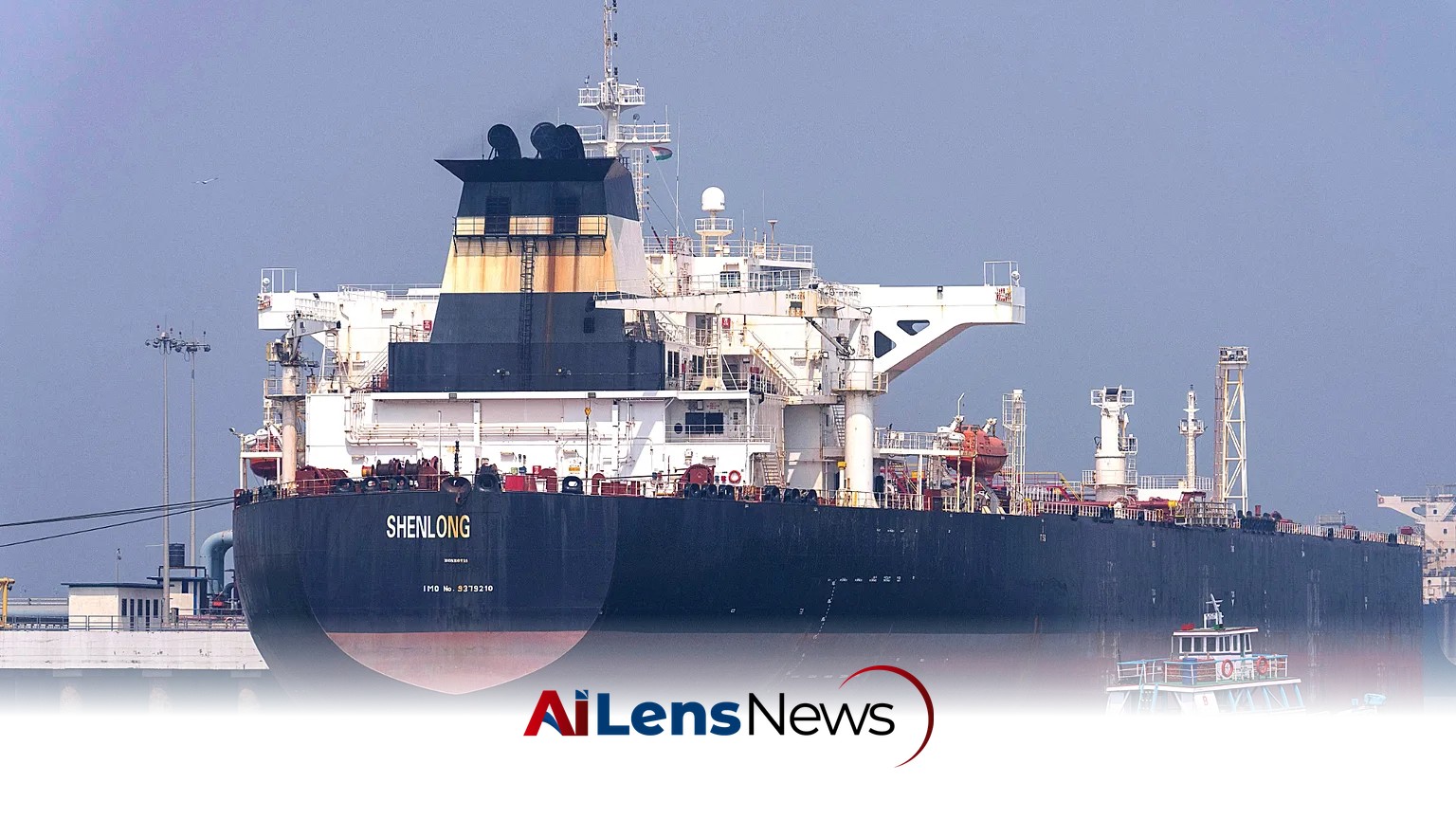


Marine insurance costs for vessels crossing the Strait of Hormuz have surged to 10% of ship value, reflecting heightened security risks in the region.
Kuwait City, Kuwait Jul 21, 2026 ALN: Marine insurance costs for vessels crossing the Strait of Hormuz have surged to their highest level of the current conflict, with war risk premiums reaching as much as 10 percent of a ship’s value following a series of attacks on commercial vessels, according to shipping and insurance industry sources. This escalation in insurance premiums underscores the increasingly perilous nature of maritime operations in this vital waterway, which serves as a critical conduit for global oil supplies.
The Strait of Hormuz is a narrow passage that connects the Persian Gulf with the Gulf of Oman and the Arabian Sea. It is one of the world's most strategically important waterways, with approximately 20% of the world's oil supply passing through it. The geopolitical significance of the Strait has made it a focal point for tensions between Iran and the United States, particularly in the context of Iran's nuclear program and its regional influence. Given its importance, any disruptions in this corridor can ripple through the global economy, affecting everything from energy prices to shipping costs.
Sources cited by Reuters’ insurance publication The Insurer indicated that the sharp increase in premiums came after recent incidents involving commercial ships in the strategic waterway, where tensions have intensified amid the ongoing confrontation between Iran and the United States. The Iranian Revolutionary Guard claimed that two oil tankers were damaged and disabled after attempting to cross the strait through what it described as an unsafe route. This claim was part of a broader narrative that emphasizes Iran's assertive posture in the Gulf region, especially as it seeks to counter U.S. military presence and influence, which it perceives as a threat to its sovereignty.
Adding to the complexity of the situation, it was reported that another incident involved two vessels in the same area, though it remained unclear whether these incidents were connected. The ambiguity surrounding these events contributes to the uncertainty that shipping companies face when navigating these waters. The lack of clarity surrounding the reasons for these attacks complicates risk assessment for maritime operations and potentially leads to higher costs for insurance and shipping.
The UK Maritime Trade Operations (UKMTO) also reported that a vessel was targeted by an unidentified projectile off the coast of Oman near the Strait of Hormuz, further raising concerns over maritime security in one of the world’s most important energy routes. Such incidents not only jeopardize the safety of the vessels but also have broader implications for global trade, as disruptions in the Strait can lead to increased shipping times and costs, ultimately affecting consumers worldwide. The potential for escalation in hostilities raises alarms not only for shipping companies but also for governments and policymakers who monitor energy security and economic stability.
Insurance industry sources noted that war risk premiums for Hormuz crossings have climbed to between 8 and 10 percent, with some confirming that charges have reached the 10-percent level, in addition to additional conditions such as no-claim bonuses. This dramatic rise represents a significant jump from pre-existing rates, which were around 1 to 3 percent of vessel value before the collapse of a temporary ceasefire between Washington and Tehran. The volatility in the region has led to a reevaluation of risk by insurers, who are now factoring in the potential for more frequent and severe incidents. Insurers are increasingly cautious, reflecting a broader trend in the industry where geopolitical tensions are becoming a primary factor in underwriting decisions.
The surge in costs has prompted some insurers to suspend quotations for voyages through the waterway, while certain war risk insurance providers have advised shipping companies to reconsider or delay transits through the Strait of Hormuz due to heightened security risks. This hesitance from insurers reflects a broader trend in the industry, where the unpredictability of geopolitical tensions is increasingly influencing underwriting decisions. As a result, shipping companies may face significant operational challenges, including delays and increased costs, which can ultimately affect their competitiveness in the market.
Shipowners are becoming increasingly reluctant to accept the sharply higher premiums, with industry sources warning that prolonged instability could further disrupt global shipping and energy markets. The financial implications of these increased costs are significant, as they can lead to higher prices for goods and energy, ultimately impacting consumers and businesses around the globe. The ripple effects of increased shipping costs can lead to inflationary pressures, affecting everything from fuel prices to the cost of consumer goods.
Meanwhile, insurance costs have also risen in the Red Sea following a declaration by Yemen’s Iran-aligned Houthi group banning maritime navigation to Saudi Arabia. This development is indicative of the broader regional instability that affects shipping routes beyond just the Strait of Hormuz. Sources reported that Red Sea war risk premiums increased from around 0.3 percent to 0.75 percent after the announcement, highlighting how regional conflicts can have cascading effects on maritime insurance and shipping costs. The interconnected nature of these maritime routes means that instability in one area can lead to increased risk assessments and costs in another, further complicating the shipping landscape.
The latest developments highlight growing pressure on global shipping routes as security risks expand across key maritime corridors in the Gulf and surrounding regions. The convergence of geopolitical tensions, military confrontations, and economic interests creates a complex landscape for shipping companies and insurers alike. The implications of these rising costs and security risks are far-reaching, affecting not just the shipping industry but also global energy markets, trade flows, and ultimately, consumers worldwide. The potential for a protracted conflict in the region raises questions about the long-term viability of shipping routes and the strategies that companies will need to adopt to navigate these challenges.
In conclusion, the surge in war insurance premiums for crossings through the Strait of Hormuz and the Red Sea reflects an urgent need for stakeholders in the maritime industry to adapt to an increasingly volatile environment. As geopolitical tensions continue to escalate, the costs associated with securing maritime trade routes are likely to remain high, necessitating a reevaluation of strategies and risk management practices within the shipping sector. The ongoing situation serves as a reminder of the interconnectedness of global trade and the profound impact that regional conflicts can have on the broader economy. Stakeholders will need to engage in proactive risk assessment and management to navigate these turbulent waters effectively, ensuring that global trade remains resilient in the face of adversity.
To learn more about the latest developments in Economy, stay updated with our exclusive reports and analyses on AiLensNews.

