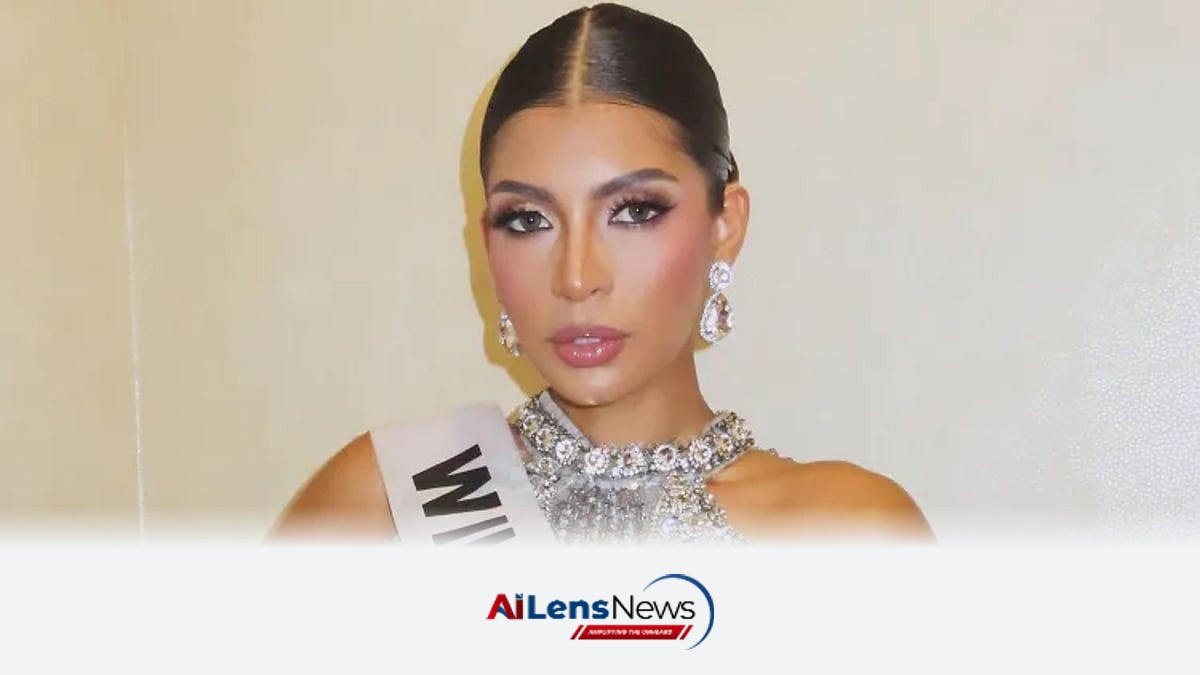



Brittany Boltinhouse claims the Miss USA organization defamed her after her title was revoked, alleging damage to her reputation and lost opportunities.
Kuwait City, Kuwait Aug 24, 2026 ALN: Losing a crown is one thing. Being publicly defamed afterward, says Brittany Boltinhouse, is another, and now she's taking the Miss USA organization to court over it. Boltinhouse's case raises significant questions about the intersection of personal conduct, public perception, and the responsibilities of beauty pageant organizations.
According to reports, Boltinhouse, who was stripped of her Miss North Carolina USA title earlier this month, filed a civil defamation lawsuit in Duplin County Superior Court on Sunday, August 23. The complaint names the Miss USA organization, its chairman Thom Brodeur, and North Carolina pageant operators as defendants. This legal action comes at a time when public figures are increasingly scrutinized for their past behaviors and statements, particularly on social media, which has become a powerful tool for both expression and condemnation.
Notably, Boltinhouse isn't disputing the organization’s right to remove her crown in the first place. Her claim is narrower and more pointed: she says statements made about her afterward painted a false and damaging picture of her character, one she argues has hurt her reputation and cost her real professional opportunities. This distinction is crucial in defamation cases, where the burden of proof often lies in demonstrating that the statements made were not only false but also damaging to the plaintiff's reputation.
The backstory traces to late June, when Boltinhouse won the Miss North Carolina USA title, a significant achievement that typically comes with various opportunities, including participation in the Miss USA pageant itself. However, shortly after her victory, old social media posts of hers resurfaced, including several posts from 2017 and 2019 in which she used a racial slur, which she acknowledges in the complaint. This resurfacing of past content is not uncommon in today's digital age, where actions and statements made years ago can suddenly have serious implications for individuals in the public eye.
In addition to the racial slur, other posts were highlighted that showed her support for controversial figures such as Donald Trump, Charlie Kirk, and Andrew and Tristan Tate, along with posts criticizing a Biden administration proclamation. These revelations sparked a backlash, leading to her removal from the title. Boltinhouse's central argument is that her political and religious views, rather than the resurfaced posts themselves, are the real reason she lost her title. She claims to have recorded conversations with pageant officials that support her argument, suggesting that concerns about public backlash influenced their decision.
Such claims touch on the broader implications of how organizations manage public relations and the reputations of their representatives. In an era where social media can amplify both support and criticism, organizations like Miss USA must navigate the complexities of public opinion and individual expression. Boltinhouse alleges that officials pushed her to sign off on an apology statement she felt mischaracterized her, indicating a potential conflict between personal beliefs and organizational image. Furthermore, she asserts that Brodeur later referenced that statement publicly in a way that made it seem like she had approved its content, which could further complicate the legal landscape of her case.
Boltinhouse is seeking compensation for reputational and emotional damage, plus what she describes as lost opportunities, including the value of the title itself, a shot at competing for Miss USA, and potential sponsorships and endorsements. The financial implications of losing such a title can be significant, as pageant winners often receive various sponsorship deals, modeling opportunities, and public appearances that contribute to their careers. She's also pursuing punitive damages, attorneys' fees, and other costs, which could potentially escalate the stakes of this lawsuit.
The legal ramifications of defamation cases can be profound, particularly in the context of public figures. The balance between freedom of speech and the protection of individual reputations is a delicate one. Brittany Boltinhouse's case may serve as a litmus test for how pageant organizations handle defamation claims and the responsibilities they have toward their titleholders.
Miss USA first announced Boltinhouse's removal in an August 5 Instagram statement, with Brodeur saying the decision followed conduct that violated the organization's standards, though he didn't detail what that conduct was at the time. This lack of specificity can lead to further complications, as vague statements can often be interpreted in various ways, potentially fueling public speculation and further damaging the individual's reputation.
As this case unfolds, it will likely attract attention not only from the legal community but also from those interested in the evolving nature of public personas, social media accountability, and the standards upheld by beauty pageants. The outcome could have lasting implications for how organizations manage their image in the face of controversy and how individuals navigate their personal beliefs in the public arena.
To learn more about the latest developments in Crime & Law, stay updated with our exclusive reports and analyses on AILensNews.

