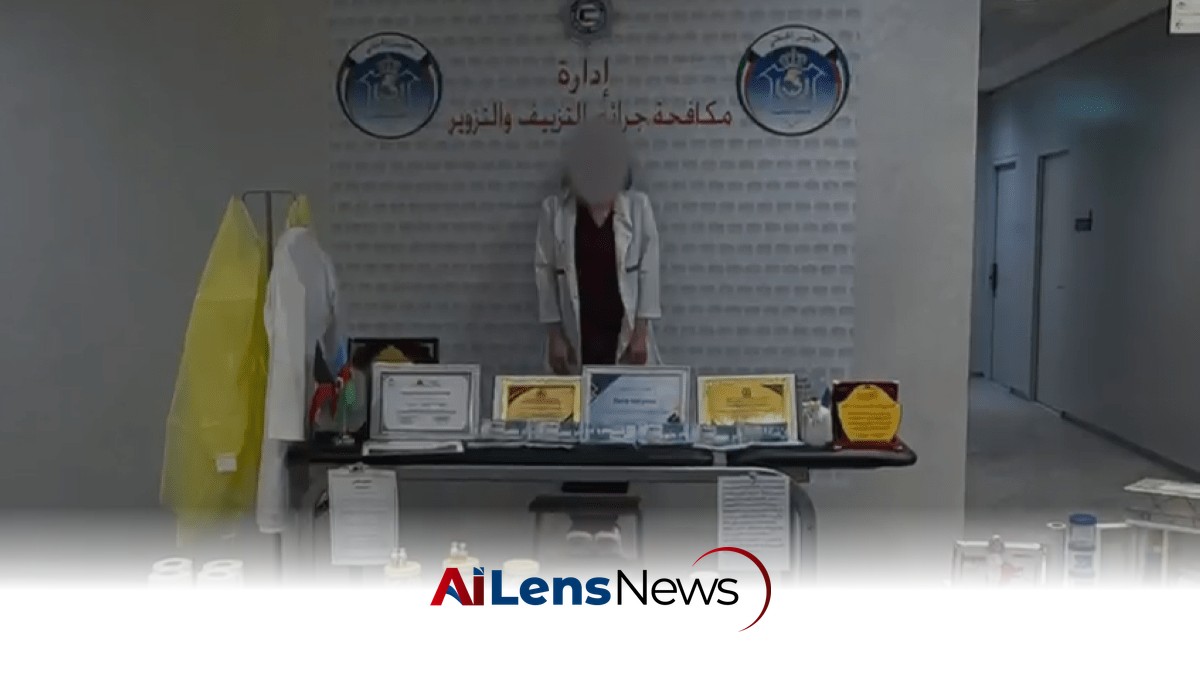



The Ministry of Interior apprehended an Azerbaijani woman for running an unlicensed medical clinic from her home in Jaber Al-Ahmad, where she provided consultations and sold herbal mixtures.
Kuwait City, Kuwait Aug 14, 2026 ALN: The recent arrest of an Azerbaijani woman operating an unlicensed medical clinic in Jaber Al-Ahmad City has raised significant concerns regarding public health and safety regulations in the region. The apprehension was executed by the Ministry of Interior's Criminal Investigation Department, specifically the Anti-Forgery and Counterfeiting Department, which is responsible for tackling illegal practices that can endanger citizens. This incident underscores the ongoing challenges faced by authorities in regulating the healthcare sector and ensuring that practitioners meet the necessary legal and professional standards.
The operation leading to the arrest was initiated following credible information received by the ministry regarding the suspect’s activities. It was reported that she was receiving visitors at her residence, offering medical consultations and examinations without any formal medical qualifications or licenses. Additionally, she was allegedly preparing and selling herbal mixtures, which raises further questions about the safety and efficacy of such products, particularly when there is no oversight from health authorities.
The investigation revealed that the suspect had transformed her home into a makeshift medical clinic. After securing the necessary legal authorization, law enforcement officials, including female officers to ensure that the operation was conducted sensitively, executed a search warrant at the premises. They discovered that the residence was fully equipped to function as a medical facility. This included a designated area for preparing and manufacturing herbal mixtures, along with the production of their labels, suggesting a level of premeditation and organization in her operations.
The presence of a medical bed and examination equipment further indicates that the suspect was not merely consulting but also conducting physical examinations, which could pose serious risks to individuals seeking medical help. The lack of proper training and certification could lead to misdiagnoses, inappropriate treatments, and potentially harmful health outcomes for her patients.
During the arrest, authorities seized a substantial amount of cash—11,651 Kuwaiti dinars—along with various medical tools and equipment. This included a white coat, commonly associated with medical professionals, and a patient-record book, which suggests that she was keeping track of her consultations and possibly attempting to create a façade of legitimacy. The tools and materials used for preparing herbal mixtures were also confiscated, raising further concerns about the safety of the products being sold to unsuspecting customers.
During interrogation, the suspect admitted to charging patients for her services, with fees reportedly ranging from 5 to 30 Kuwaiti dinars per consultation or examination. This admission highlights the financial motivations behind her actions and raises ethical questions about exploiting individuals’ health concerns for profit. The implications of such practices can be far-reaching, as they not only endanger the health of patients but also undermine the integrity of the healthcare system.
This incident is not an isolated case; it reflects a broader issue of unlicensed medical practices that can be found in various regions. Many individuals, particularly those who may not have access to traditional healthcare services, may turn to unlicensed practitioners out of desperation. This can lead to a cycle of harm, where patients receive inadequate care that exacerbates their health issues.
In response to such incidents, health authorities often emphasize the importance of public awareness regarding the qualifications of medical practitioners. Campaigns aimed at educating the public about the dangers of seeking treatment from unlicensed individuals are crucial. These initiatives can help individuals make informed decisions about their healthcare and encourage them to seek services from certified professionals.
The legal ramifications for the suspect could include significant fines and a potential prison sentence, depending on the laws governing medical practice in Kuwait. The government may also consider implementing stricter regulations and oversight mechanisms to prevent similar occurrences in the future. This could involve increased inspections of private clinics, more robust licensing requirements, and harsher penalties for those found operating without the necessary credentials.
Furthermore, this case serves as a reminder of the challenges faced by regulatory bodies in keeping pace with the evolving landscape of healthcare. The rise of alternative medicine and holistic treatments has led to an increase in individuals seeking non-traditional therapies, often from unlicensed sources. While some of these practices may offer valid benefits, the lack of regulation can lead to dangerous situations where individuals are misled about the efficacy and safety of treatments.
As the investigation continues, it remains to be seen what further actions will be taken against the suspect and whether this case will prompt a broader discussion about healthcare regulations in Kuwait and the protection of public health. The Ministry of Interior's proactive approach in addressing this issue is commendable, yet it highlights the need for ongoing vigilance in ensuring that all medical practitioners adhere to established health standards.
In conclusion, the arrest of the Azerbaijani woman in Jaber Al-Ahmad City serves as a critical reminder of the importance of regulation in the healthcare sector. It underscores the potential dangers posed by unlicensed medical practices and the need for public awareness about the qualifications of healthcare providers. As authorities continue to address these challenges, the health and safety of the public must remain the top priority.
To further understand the implications of this incident, it is essential to look at the broader context of healthcare regulation in Kuwait and the Middle East. The region has faced various challenges in managing healthcare services, partly due to rapid urbanization, population growth, and the increasing demand for health services. This has led to a strain on public health systems, prompting some individuals to seek alternative solutions, often from unregulated sources.
Additionally, the rise of social media and online platforms has facilitated the spread of information about alternative treatments and unlicensed practitioners. This accessibility can lead to individuals making uninformed decisions about their health, often based on anecdotal evidence rather than scientific research or professional advice. The prevalence of unlicensed clinics can also contribute to a lack of trust in legitimate healthcare providers, as patients may become disillusioned after experiencing negative outcomes from unregulated treatments.
In light of these challenges, it is crucial for governments and health authorities to engage in comprehensive public health campaigns that not only inform citizens about the risks associated with unlicensed medical practices but also promote the benefits of seeking care from qualified professionals. These campaigns should leverage various media channels, including social media, to reach a broader audience and effectively communicate the importance of health literacy.
Moreover, collaboration between government agencies, healthcare professionals, and community organizations can enhance the effectiveness of these campaigns. By working together, stakeholders can develop strategies to identify and address the root causes of why individuals turn to unlicensed practitioners, such as financial constraints, lack of access to services, or misinformation regarding healthcare options.
In conclusion, the arrest of the Azerbaijani woman in Jaber Al-Ahmad City serves as a critical reminder of the importance of regulation in the healthcare sector. It underscores the potential dangers posed by unlicensed medical practices and the need for public awareness about the qualifications of healthcare providers. As authorities continue to address these challenges, the health and safety of the public must remain the top priority, supported by a robust framework of regulations and community engagement initiatives aimed at fostering a healthier population.
To learn more about the latest developments in Crime & Law, stay updated with our exclusive reports and analyses on AILensNews.

