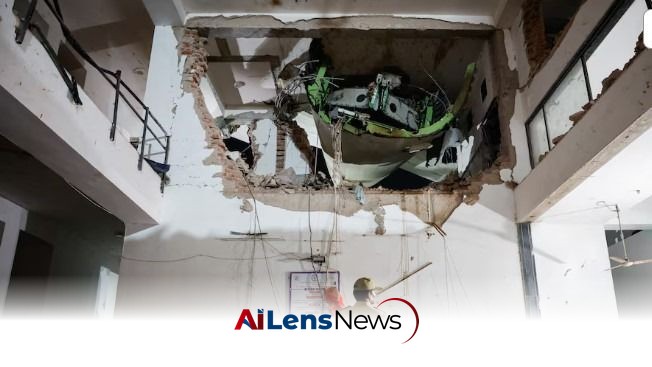


The AAIB is set to conclude its investigation into the Air India Boeing 787 crash within weeks, with a draft report expected in October.
Kuwait City, Kuwait Jul 16, 2026 ALN: The investigation into the tragic crash of an Air India Boeing 787, which resulted in the loss of 260 lives shortly after takeoff from Ahmedabad, is now in its final phase. The Aircraft Accident Investigation Bureau (AAIB) of India has indicated that it expects to conclude its investigation within weeks, with a draft final report targeted for completion by October. This investigation is particularly significant given the scale of the tragedy and the implications it may have for aviation safety regulations and operational protocols across the industry.
The crash, which occurred last year, has been subject to extensive scrutiny and investigation. The AAIB has made significant progress in its inquiry, as evidenced by the completion of the cockpit voice recorder transcript. This critical piece of evidence provides insights into the final moments of the flight and the actions taken by the flight crew. The cockpit voice recorder captures audio from the cockpit, including conversations between pilots, alerts from the aircraft systems, and ambient sounds, which can be crucial in understanding the circumstances leading up to the crash.
Additionally, the investigators have conducted a psychological autopsy, a process that aims to understand the mental state and decision-making processes of individuals involved in the incident. However, details regarding whose psychological assessment was conducted remain undisclosed, and no specific findings related to the crash have been released. This psychological assessment is an important aspect of aviation investigations, as it can help identify any factors related to stress, fatigue, or other mental health issues that may have influenced the crew's performance during critical phases of flight.
As the investigation progresses, the AAIB is still awaiting the analysis of data retrieved from the aircraft's engine monitoring unit. This data is crucial as it can provide insights into the operational status of the engines at the time of the crash. Understanding the performance and functionality of the engines can help investigators determine whether mechanical failure played a role in the accident. Furthermore, assessments of various organizational factors that could have contributed to the accident are still ongoing. These factors can include the airline's operational protocols, maintenance procedures, and overall safety culture, which are essential components in ensuring the safe operation of commercial flights.
In a comprehensive approach to the investigation, AAIB officials have interviewed a wide range of individuals connected to the flight. This includes the pilots of the Air India Boeing 787, as well as crew members who had flown with the accident crew in the past. Technical personnel, air traffic controllers, weather officials, and human-factors specialists have also been consulted to gather a holistic view of the circumstances surrounding the crash. This multi-faceted approach is designed to ensure that all potential contributing factors are examined thoroughly. In the early stages of the investigation, officials made efforts to reach out to the families of the flight crew, recognizing the importance of understanding the human element involved in such tragedies and the impact on those left behind.
The investigation has faced challenges, particularly in terms of public perception and media speculation. Following the crash, widespread media narratives began to assign blame to the pilots, which the AAIB has stated has led to some witnesses being hesitant to cooperate fully with the investigation. This reluctance can significantly impact the quality and comprehensiveness of the inquiry, as witness testimonies are often vital in piecing together the events leading up to an accident. The media's role in shaping public perception can create an atmosphere of mistrust, which complicates the already sensitive nature of aviation investigations.
Currently, the AAIB is in the analysis stage of the investigation. Experts are evaluating various operational, technical, human-factors, and organizational aspects of the accident to form a complete picture of what transpired. The bureau has indicated that it anticipates the remaining investigative work to be completed in approximately six weeks, contingent on external inputs that are still pending. This timeline suggests a concerted effort to finalize the investigation while ensuring that all necessary information is thoroughly reviewed. The anticipation surrounding the completion of this investigation reflects the importance of transparency and accountability in the aviation industry.
Once the draft final report is completed, it is expected to be shared with participating countries, including the United States National Transportation Safety Board (NTSB). This collaborative approach is common in international aviation investigations, as it allows for shared insights and expertise, particularly when aircraft and crews are from different jurisdictions. The involvement of the NTSB is particularly noteworthy given that the Boeing 787 is a product of a U.S.-based manufacturer, and the NTSB has significant experience in investigating aviation accidents. The collaboration between international agencies underscores the global nature of aviation and the shared responsibility of ensuring safety across borders.
In a related development, a report from Reuters last year indicated that an early assessment by U.S. officials suggested that cockpit voice recordings supported the view that fuel flow to the aircraft's engines had been cut shortly after takeoff. This finding has fueled speculation about the potential causes of the crash. However, the AAIB has consistently maintained that it is premature to draw definitive conclusions based solely on preliminary data. This caution reflects the complexity of aviation accident investigations, where multiple factors can interplay to lead to a catastrophic outcome. Investigators must consider not only mechanical failures but also human factors, environmental conditions, and organizational practices.
The implications of this investigation are far-reaching. Beyond the immediate concern for the families of the victims and the airline involved, the findings could have significant impacts on aviation safety regulations and practices. If systemic issues within Air India or broader regulatory shortcomings are identified, it could lead to changes in how airlines operate, how pilots are trained, and how maintenance is conducted. Moreover, the results of this investigation may influence public confidence in air travel, especially in the context of safety and reliability. The aviation industry is built on trust, and any findings that suggest lapses in safety could have long-term consequences for airlines and regulatory bodies alike.
As the AAIB moves toward the completion of its investigation, the aviation community and the public await the findings with bated breath. The hope is that the final report will not only provide answers regarding the tragic loss of life but will also contribute to the ongoing efforts to enhance aviation safety worldwide. In a sector where millions of passengers travel safely every day, understanding the factors that lead to accidents is crucial in preventing future tragedies. The results of this investigation will likely serve as a critical learning opportunity for the industry, helping to inform best practices and improve safety measures in the future.
To learn more about the latest developments in Health & Public Safety, stay updated with our exclusive reports and analyses on AiLensNews.

