

More
Checking your session
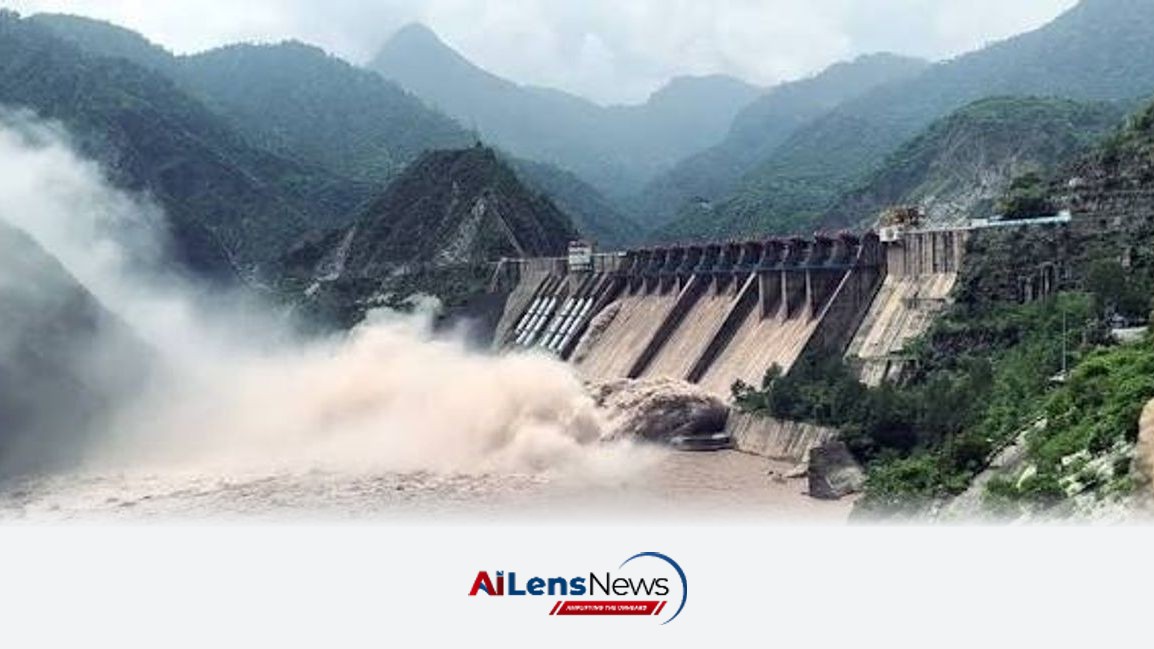



Following heavy rainfall in the catchment areas, the Salal Dam in Reasi has opened multiple gates to manage water inflow, ensuring safety downstream.
Srinagar, India Aug 30, 2026 ALN: Reasi (Jammu and Kashmir) [India], August 30: Following continuous rainfall in the upper catchment areas, multiple gates of Reasi's Salal dam were opened to regulate the increased inflow of water into the reservoir. The Salal dam, which is one of the significant hydroelectric projects in the region, plays a crucial role in managing water resources and mitigating the risks associated with heavy rainfall and potential flooding.
The opening of the gates has resulted in the controlled release of water downstream, as the authorities continue to monitor the reservoir level and inflow conditions. This proactive approach is essential during the monsoon season, when the risk of flooding increases due to the rapid accumulation of rainwater in rivers and lakes. The dam's operational management aims to balance the dual objectives of generating hydroelectric power and ensuring the safety of downstream communities.
Meanwhile, heavy rainfall began in the early hours of Sunday in the Chanderkote area of Ramban district, Jammu and Kashmir, amid the ongoing monsoon season. Residents have been advised to remain cautious, particularly near rivers, streams, and other water bodies. Flooding can pose significant threats to life and property, especially in areas where infrastructure may not be adequately equipped to handle sudden surges in water levels. The local administration has been urged to remain vigilant and prepared for any emergency situations that may arise due to the adverse weather conditions.
According to meteorological data, widespread precipitation and overcast conditions have led to temperature changes across both Jammu and Kashmir divisions, accompanied by extremely high humidity levels. Srinagar City recorded a temperature of 23.1 degrees Celsius with 80 percent humidity, while Jammu City registered 28 degrees Celsius with 87 percent humidity. These conditions can lead to discomfort for residents, as high humidity levels can exacerbate the perception of heat and contribute to health issues such as heat exhaustion.
Among other major stations, the tourist resort of Kupwara recorded the lowest temperature in the region at 18.8 degrees Celsius, while Pahalgam recorded 19.6 degrees Celsius alongside 81 percent humidity. In the Jammu division, Katra recorded 25.2 degrees Celsius with 95 percent humid conditions, Banihal witnessed 21.2 degrees Celsius with 91 percent humidity, and Gulmarg recorded 21 degrees Celsius with 85 percent humidity. These varying temperature readings across the region highlight the diverse climatic conditions that can be experienced in different areas of Jammu and Kashmir, influenced by factors such as altitude and local geography.
According to the five-day forecast issued by the Indian Meteorological Department (IMD), rainfall activity has gradually tapered off over the last few days, transitioning to scattered light showers across parts of southern and eastern districts including Ramban, Udhampur, Doda, Kishtwar, and Anantnag. However, the weather department has cautioned about the possibility of thunderstorms, lightning, and gusty winds reaching up to 60 km/h at isolated places, alongside the persistent risk of localized flash floods, landslides, and mudslides in vulnerable hilly terrains. These warnings are particularly pertinent given the region's topography, which can exacerbate the impacts of heavy rainfall.
The monsoon season in Jammu and Kashmir is a critical period for agriculture, water supply, and hydropower generation, but it also brings challenges such as flooding and landslides. The government and local authorities play an essential role in disaster management and preparedness, ensuring that communities are informed about potential risks and have access to resources for safety and recovery.
In light of these weather conditions, it is vital for residents to stay updated on weather forecasts and heed the advice of local authorities. The importance of community awareness during such times cannot be overstated, as it can significantly reduce the risk of accidents and enhance the overall safety of the populace. Furthermore, the management of water resources, such as the operation of the Salal dam, reflects the need for sustainable practices that account for both energy generation and environmental protection.
As the region continues to navigate the complexities of the monsoon season, the interplay between natural weather patterns and human infrastructure will remain a focal point for discussions on climate adaptation and resilience. The ongoing monitoring of water levels, combined with community preparedness, will be crucial in mitigating the impacts of heavy rainfall and ensuring the safety and well-being of residents in Jammu and Kashmir.
To learn more about the latest developments in Local & Regional, stay updated with our exclusive reports and analyses on AILensNews.

The revival of the Ujh Multipurpose Project in Kathua district is set to enhance…

M.K. Sinha has taken over as the Additional Director General of Police, CID J&K,…
Syed Mohammad Altaf Bukhari, President of the Apni Party, condemns the governmen…

In a recent address, Chief Minister Omar Abdullah assured residents that electri…

CM Omar Abdullah emphasizes the need for a compassionate approach to manage the …