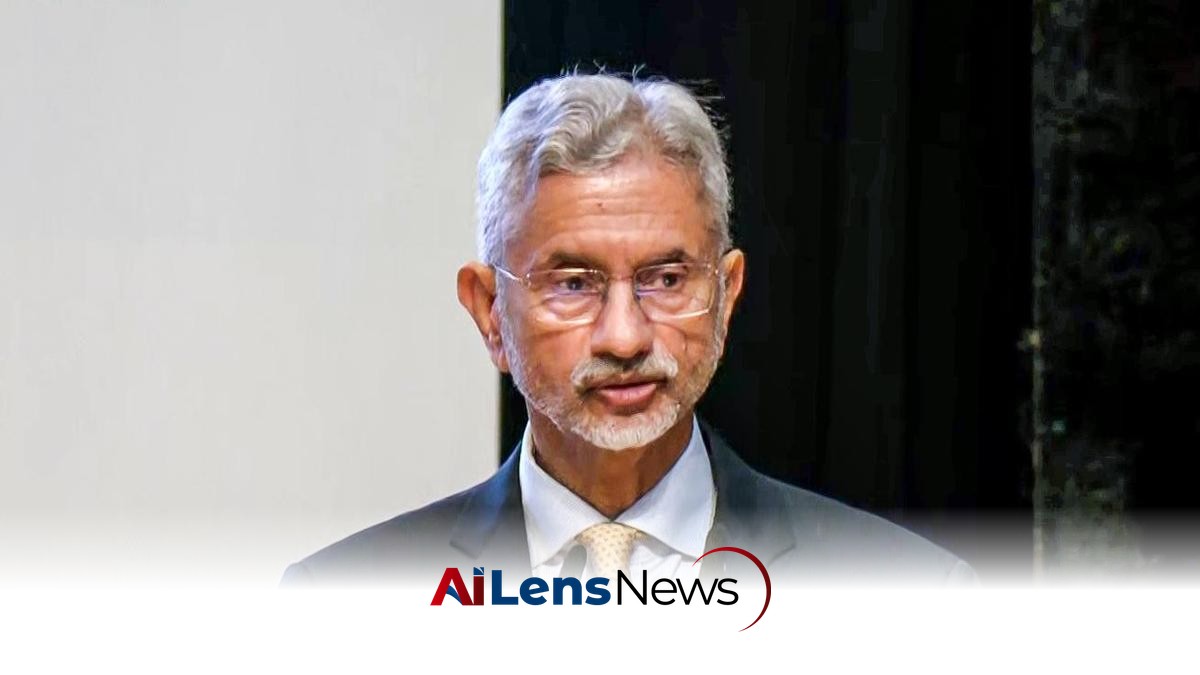


Jaishankar to kick off India’s campaign for a non-permanent UNSC seat for 2028-29 amid rising global political tensions.
New Delhi, India Jul 7, 2026 ALN: India is set to officially launch its campaign for a non-permanent seat on the United Nations Security Council (UNSC) for the term of 2028-29 on July 13. This significant initiative will be spearheaded by External Affairs Minister S. Jaishankar, who is currently on a diplomatic tour in the Gulf region. He is scheduled to arrive in New York City on July 10 to participate in the official ceremony, which is seen as a pivotal moment for India as it seeks to bolster its leadership role within the Global South.
The pursuit of a non-permanent seat at the UNSC comes at a time when global dynamics are increasingly complex and fraught with challenges. The ongoing crisis in the Gulf region, particularly in the wake of the U.S.-Israel tensions concerning Iran, has resulted in significant disruptions to energy and fertilizer trade, impacting countries worldwide, especially those in the Global South. Such geopolitical upheavals underscore the importance of India's bid, as it aims to represent and advocate for the interests of developing nations on the global stage.
However, India's path to securing this non-permanent seat will not be without challenges. Tajikistan has emerged as a competitor for the same seat allocated to the Asia-Pacific region. The competition is further complicated by Tajikistan's early establishment of support from the Organization of Islamic Cooperation (OIC), a bloc comprising 57 member states, which could provide a significant advantage in garnering votes. India, while enjoying backing from nations such as Fiji, the United States, Austria, and Sri Lanka, will need to engage in substantial diplomatic efforts to consolidate its position and secure the necessary votes.
In the lead-up to this critical campaign, Minister Jaishankar has been actively engaging with various countries to navigate the shifting dynamics within the United Nations. His recent visits to Bahrain, Kuwait, and Oman, along with a prior trip to Qatar, reflect India's strategic diplomatic outreach aimed at strengthening alliances and building support for its UNSC aspirations. Upon reaching New York City, he is expected to conduct extensive consultations with India's partners at the UN, focusing on garnering their backing for India's candidacy.
India's advocacy for reform within the UNSC and its commitment to addressing the concerns of the Global South have been central to its diplomatic agenda. However, recent developments have posed challenges to these ambitions. For instance, India had to postpone the India-Africa Forum Summit, originally scheduled for late May, due to an Ebola outbreak affecting several African nations. This postponement not only highlights the health crisis impacting diplomatic engagements but also raises questions about India's ability to maintain momentum in its outreach efforts.
In response to these challenges, India has intensified its diplomatic consultations, as evidenced by Jaishankar's busy travel schedule. His outreach has even extended to the Caribbean region, indicating a broadening of India's engagement with diverse global partners. The political climate at the UN is heating up, particularly with the approaching General Assembly and the competitive landscape for UNSC seats. The recent election of Kyrgyzstan to the UNSC for the 2027-28 term, which saw it defeating the Philippines with 142 votes to 49, serves as a reminder of the competitive nature of these elections and the importance of strategic alliances.
The contests for non-permanent seats at the UNSC are not merely procedural; they reflect the evolving power dynamics in inter relations, especially in light of ongoing conflicts in West Asia and the ramifications of the Ukraine crisis. These geopolitical tensions have significant implications for global governance and the functioning of inter institutions like the UN. As nations grapple with these challenges, the role of the UNSC becomes increasingly vital in addressing security concerns and facilitating dialogue among member states.
India's ambition to secure a non-permanent seat at the UNSC is not just about gaining a seat at the table; it is also about amplifying the voice of the Global South in a forum that has often been criticized for its lack of representation and inclusivity. India's leadership in this context could potentially reshape discussions around key global issues, from climate change to conflict resolution, thereby enhancing its standing as a responsible global player.
As the campaign progresses, the outcome will hinge on India's ability to navigate the complex landscape of inter diplomacy. Engaging with a diverse array of countries, building coalitions, and articulating a clear vision for its role on the UNSC will be crucial for India. The stakes are high, not only for India's aspirations but also for the broader representation of developing nations in global governance frameworks.
In conclusion, India's campaign for a non-permanent seat on the UNSC for the 2028-29 term marks a significant chapter in its foreign policy and diplomatic efforts. The interplay of regional and global politics, coupled with India's proactive engagement strategy, will determine the success of this campaign. As the inter community watches closely, the implications of this bid extend beyond mere representation, potentially influencing the future trajectory of global governance and cooperation.
Historically, India has been a proponent of reforming the UNSC to better reflect the realities of the 21st century. With a growing economy, a large population, and active participation in peacekeeping missions, India argues that it is well-positioned to take on a more significant role in global governance. This campaign is not just about securing a seat; it is also about advocating for a more equitable inter order.
India's bid for a non-permanent seat is also intertwined with its broader foreign policy objectives, which include enhancing its strategic partnerships and increasing its influence in inter forums. The country's diplomatic efforts have been evident in its active participation in multilateral organizations, such as BRICS, the G20, and the Shanghai Cooperation Organization (SCO). These platforms provide India with avenues to collaborate with other nations on pressing global issues and to build coalitions that can support its UNSC aspirations.
Moreover, India's campaign for a non-permanent seat at the UNSC is likely to resonate with other nations that share similar concerns about representation and inclusivity in global governance. As countries from the Global South seek to amplify their voices in inter discussions, India's leadership could serve as a catalyst for broader reform efforts within the UN system.
As the world grapples with pressing challenges, including climate change, health crises, and geopolitical tensions, the role of the UNSC will be critical in shaping responses to these issues. India's active participation in the UNSC could facilitate a more balanced approach to global governance, ensuring that the perspectives and interests of developing nations are taken into account in decision-making processes.
In summary, India's campaign for a non-permanent seat on the UNSC for the 2028-29 term is a multifaceted endeavor that reflects its aspirations for greater influence in global governance. Through strategic diplomacy, engagement with diverse partners, and a commitment to advocating for the Global South, India aims to secure a position that will enable it to contribute meaningfully to addressing the world's most pressing challenges.
To learn more about the latest developments in World News & International Affairs, stay updated with our exclusive reports and analyses on AiLensNews.

