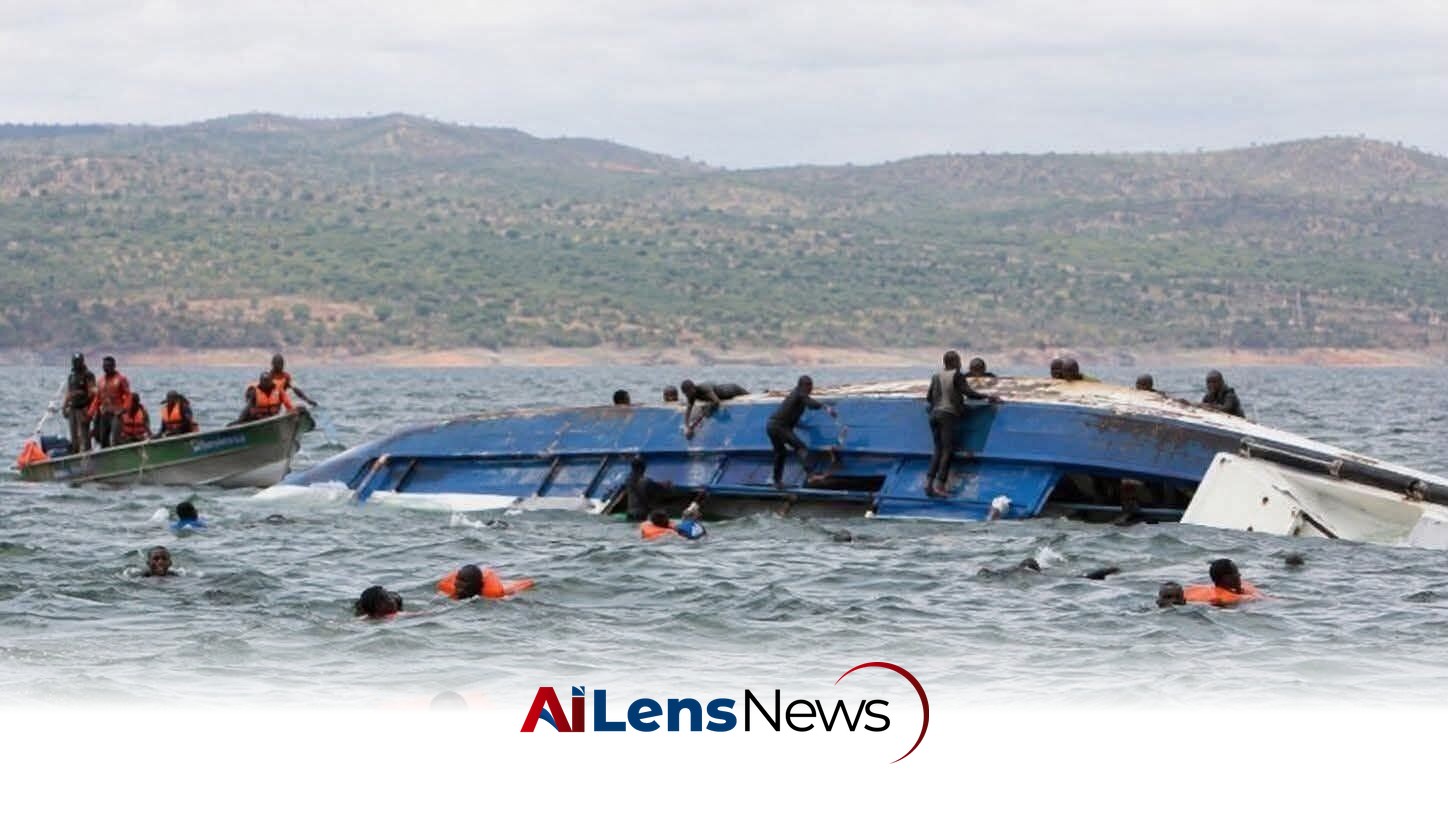


A ferry capsized on Lake Kariba, resulting in 15 confirmed deaths and 27 individuals missing, with ongoing rescue operations for survivors.
New Delhi, India Aug 12, 2026 ALN: An overloaded ferry capsized on Zimbabwe's Lake Kariba, killing at least 15 people and leaving 27 missing, according to the national disaster management agency. Reports indicate that 77 individuals were rescued and managed to reach a small island on the lake, with boats now being dispatched to bring the survivors back.
Zimbabwean state broadcaster ZBC aired footage of speedboats approaching what appeared to be an overturned vessel on the lake, while a helicopter hovered overhead. An underwater team has been deployed for search and rescue operations on the expansive lake, which forms part of the border between Zimbabwe and neighboring Zambia.
The statement from Zimbabwe's Civil Protection Unit confirmed that there were 114 adult passengers onboard, along with five crew members, based on registered ticket sales. The agency noted that there may have been an unknown number of children below ticketing age who were also onboard and unaccounted for. This aspect of the tragedy highlights the potential for even higher casualties, as the actual number of individuals on the ferry may exceed the official count.
The ferry has a carrying capacity of 90 people, and the agency has recommended that the accident be officially declared a disaster. This recommendation underscores the severity of the incident and the need for coordinated rescue and recovery efforts, as well as potential government intervention to assist affected families and communities.
Mutsa Murombedzi, a local member of Parliament, shared a video showing people on the shore waving off what seemed to be the aging ferry at the beginning of its journey. She mentioned that rural communities rely on the ferry to travel along the lake to the town of Kariba, a trip that typically takes about five hours. The ferry serves as a vital transportation link for residents, facilitating access to markets, healthcare, and education in a region where road infrastructure may be limited or in poor condition.
Concerns were raised by some individuals on the shore regarding the ferry's ability to withstand strong waves on the lake, as depicted in the video. Such apprehensions are not unfounded, as Lake Kariba is known for its unpredictable weather patterns, which can lead to sudden storms and rough waters. The incident has sparked discussions about safety regulations for ferries operating on the lake, particularly regarding weight limits, maintenance standards, and crew training. In light of this tragedy, there may be calls for stricter enforcement of existing regulations or the introduction of new safety measures to prevent similar incidents in the future.
Earlier, Zimbabwe police reported that a rescue operation was underway but did not provide further details. The rescue efforts are complicated by the vastness of Lake Kariba, which covers approximately 5,400 square kilometers and has a maximum depth of around 40 meters. Search and rescue operations in such large bodies of water can be challenging, requiring specialized equipment and trained personnel to locate and recover individuals who may be submerged or stranded.
Kariba is recognized as the largest man-made lake in the world by volume, created in the late 1950s and early 1960s by constructing a dam wall to block the Zambezi River. This resulted in a valley gradually filling with water to form a vast lake that stretches over 200 km long and reaches widths of up to 40 km in certain areas. The lake plays a significant role in the local economy, providing opportunities for fishing, tourism, and hydroelectric power generation. However, the reliance on the lake for transportation and livelihoods also brings risks, particularly in the absence of adequate safety measures.
Zimbabwe and Zambia share the lake, with the official border situated in the middle. The cross-border nature of Lake Kariba adds another layer of complexity to the situation, as rescue efforts may require coordination between the two countries. Historically, both nations have collaborated on various initiatives related to lake management and conservation, and this incident may prompt discussions on improving safety protocols for vessels operating in shared waters.
The implications of this tragedy extend beyond immediate rescue efforts. It raises questions about the regulatory framework governing ferry operations in Zimbabwe, particularly in rural areas where communities depend heavily on such transportation. The government may face pressure to enhance oversight of ferry services, ensuring that operators comply with safety standards designed to protect passengers. Additionally, there may be a push for investment in alternative transportation infrastructure, such as roads or bridges, to reduce reliance on ferries and mitigate risks associated with water travel.
In the wake of this incident, families of the victims and survivors will likely seek answers regarding the circumstances that led to the ferry's capsizing. Investigations will be necessary to determine the causes of the accident, including whether negligence, mechanical failure, or adverse weather conditions played a role. The findings of such investigations could lead to legal repercussions for ferry operators and regulatory changes aimed at preventing future tragedies.
As the search and rescue operation continues, the focus remains on locating the missing individuals and providing support to those affected by this devastating event. The community's resilience will be tested as they navigate the aftermath of this tragedy, and the broader implications for ferry safety and transportation in Zimbabwe will likely resonate for years to come.
This incident is not isolated; it reflects a broader pattern of safety issues associated with ferry operations in many parts of Africa, where aging vessels often operate under inadequate safety regulations. The reliance on ferries in regions with limited road infrastructure underscores the need for comprehensive safety assessments and investment in modern transportation alternatives. As the investigation unfolds, it will be crucial to involve local communities in discussions about their transportation needs and safety concerns, ensuring that their voices are heard in any regulatory reforms that may emerge.
Moreover, the psychological impact on survivors and families of the victims cannot be overlooked. Grief counseling and community support services will be essential in the aftermath of this tragedy, as individuals come to terms with their losses and the traumatic experience of the capsizing. Local organizations, government agencies, and international partners may need to collaborate to provide the necessary support to help the community heal.
In conclusion, the capsizing of the ferry on Lake Kariba serves as a tragic reminder of the vulnerabilities faced by communities that rely on water transport. It highlights the urgent need for improved safety measures, regulatory oversight, and investment in alternative transportation infrastructure to ensure the safety and well-being of passengers in the future. As the situation develops, it will be imperative for authorities to prioritize the lessons learned from this tragedy to prevent similar incidents from occurring again.
To learn more about the latest developments in Crime & Law, stay updated with our exclusive reports and analyses on AiLensNews.

