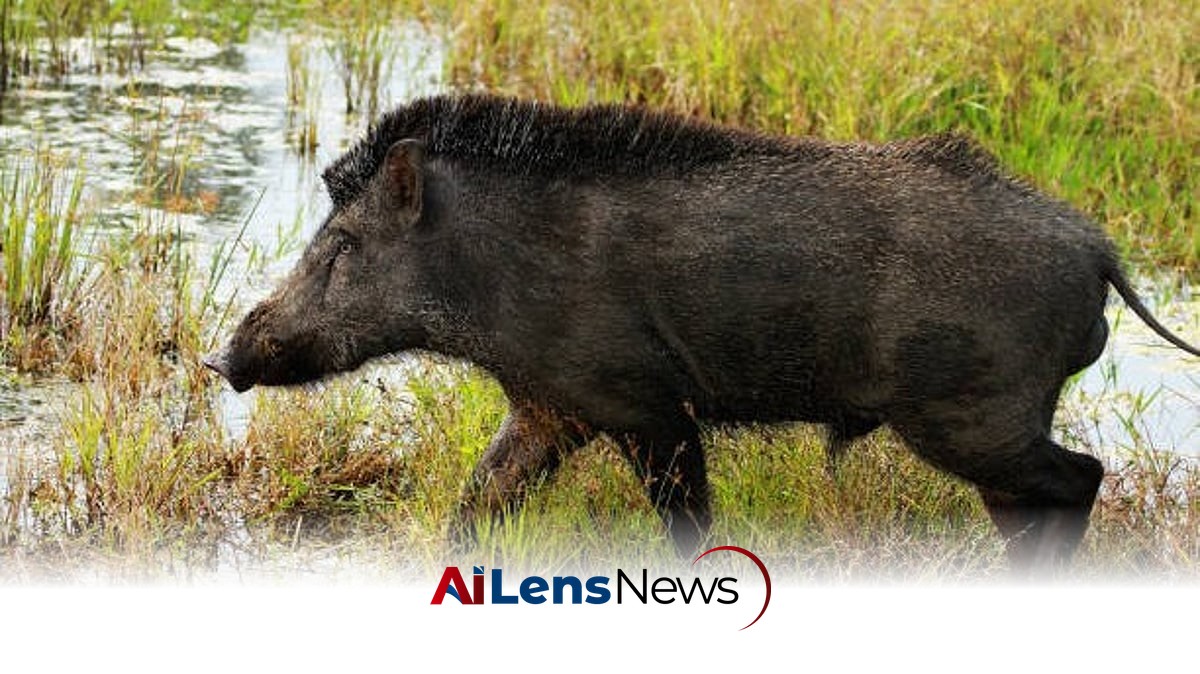


The death toll of wild boars in Udupi district has risen to 12, prompting intensified investigations by forest and veterinary teams to determine the cause.
New Delhi, India Jul 24, 2026 ALN: Udupi: Concern continues to grow in the Udupi region following the death of five more wild boars, taking the number of deaths to 12 in Byndoor and Kundapura. The latest incidents have prompted officials from the Animal Husbandry and Forest Departments to intensify surveillance and scientific investigations to determine the exact cause.
Wild boars, which are part of the Sus scrofa species, are commonly found in various ecosystems across India, including forests, grasslands, and agricultural areas. They play a crucial role in maintaining the ecological balance by aiding in seed dispersion and soil aeration. However, their increasing mortality in Udupi has raised alarms among local authorities and wildlife enthusiasts alike. The deaths of these animals not only pose a threat to their species but also indicate potential underlying issues within the ecosystem.
According to Dr. Arun Hegde, Taluk Veterinary Assistant Director, five additional wild boars were recently found dead in the area. Veterinary teams conducted field examinations and collected tissue and organ samples from the carcasses, which have been sent to laboratories for detailed analysis. This investigation is critical not only for understanding the immediate cause of death but also for assessing the overall health of the local wildlife population. The findings could reveal significant insights into the health of other species in the area, as well as the broader environmental conditions.
Speaking about the investigation, Dr. Nagaraj, Chief Veterinary Officer, clarified that laboratory testing involves multiple stages and that the tests currently being conducted are primarily for confirmatory purposes. He emphasized the importance of a systematic approach to diagnosing the cause of death, noting that preliminary field observations alone cannot establish the definitive reason for these fatalities. Cautioning against drawing conclusions before the scientific process is completed, he stated, "There are different stages involved in laboratory testing. The laboratory examinations are meant to confirm the findings, and only after the final reports are received can the exact cause of death be determined." This careful approach is essential in avoiding misinformation and ensuring that the public receives accurate information about the situation.
The investigation into the deaths of the wild boars is multifaceted. Dr. Nagaraj indicated that various possibilities, including infectious diseases, poisoning, environmental contamination, and other factors, are being examined. Infectious diseases such as African swine fever, which has devastated pig populations in various regions, could pose a significant threat not only to wild boar populations but also to domestic livestock. The final diagnosis will depend on the results of the laboratory investigations, which are expected to take some time. Given the potential implications for both wildlife and agricultural sectors, the urgency of these investigations cannot be overstated.
In addition to veterinary investigations, the situation has prompted a broader discussion about wildlife management and conservation strategies in the region. Udupi, known for its rich biodiversity, is home to various species, and the health of its wildlife is an indicator of the overall environmental conditions. The unexplained deaths of wild boars could signal underlying ecological issues that may need to be addressed, such as habitat degradation, pollution, or the impact of agricultural practices on wildlife health. In recent years, increasing human encroachment into natural habitats has raised concerns about the sustainability of local ecosystems.
Meanwhile, sources from the Forest Department have stated that the department has stepped up monitoring in the affected area and is maintaining close coordination with veterinary experts. Local residents have been advised not to handle or disturb the carcasses of wild animals and to immediately report any fresh incidents to the authorities. This precautionary measure is vital to prevent potential zoonotic diseases, which can be transmitted from animals to humans. Farmers and villagers have also been urged not to spread rumors or speculate on the cause of the deaths until the official reports are released, as misinformation can exacerbate public concern and lead to unnecessary panic. The role of community awareness and cooperation is crucial in managing wildlife health and preventing further incidents.
Dr. Nagaraj expressed that the unexplained deaths have raised concerns but assured that appropriate preventive measures will be taken based on the laboratory findings. He added that surveillance will continue to ensure that no further spread of disease or other threats affects wildlife in the region. The proactive approach taken by the authorities reflects a commitment to wildlife health and community safety. The situation underscores the need for ongoing vigilance and responsiveness in wildlife management, particularly in regions where human-wildlife interactions are becoming increasingly common.
The situation in Udupi is not isolated; similar incidents have been reported in other regions of India, prompting wildlife officials to consider broader strategies for monitoring and managing wildlife health. The deaths of wild boars in Udupi highlight the interconnectedness of wildlife health and environmental conditions, underscoring the need for ongoing research and collaboration between wildlife agencies, veterinary services, and local communities. As wildlife populations face various threats, including habitat loss, climate change, and disease outbreaks, the importance of a coordinated effort becomes even more apparent.
As investigations continue, the implications of these deaths extend beyond the immediate area. The findings could influence wildlife conservation policies and practices throughout the state and potentially across the country. Understanding the causes of wildlife mortality is essential for developing effective management strategies that protect not only the species in question but also the ecosystems they inhabit. This situation may serve as a pivotal case study for future wildlife management efforts, highlighting the need for adaptability and responsiveness in the face of emerging challenges.
In conclusion, the rising wild boar deaths in Udupi district serve as a crucial reminder of the delicate balance between human activities and wildlife health. As investigations unfold, it is imperative for all stakeholders, including government agencies, local communities, and conservationists, to work collaboratively to ensure the protection of wildlife and the environment. The outcomes of these investigations will likely inform future actions aimed at preventing similar occurrences and promoting biodiversity conservation in the region. The situation calls for a renewed commitment to environmental stewardship and wildlife conservation, emphasizing the importance of maintaining healthy ecosystems for future generations.
To learn more about the latest developments in Crime & Law, stay updated with our exclusive reports and analyses on AiLensNews.

