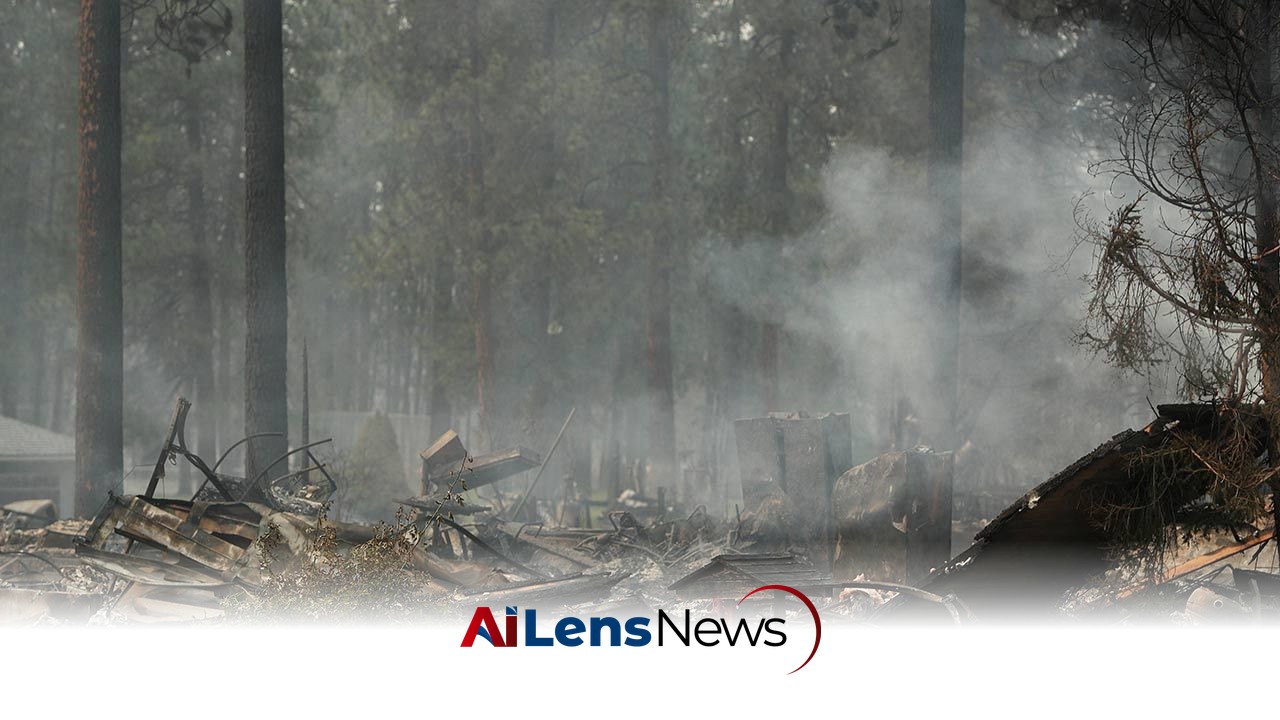


As wildfires rage across Greece and France, water-dropping aircraft have been mobilized to assist firefighters battling flames. The situation worsened with a helicopter collision resulting in two fatalities.
New Delhi, India Aug 3, 2026 ALN: Athens: Five water-dropping planes and another five helicopters took off at first light Monday to help hundreds of firefighters battling a major wildfire west of Athens, Greece, a day after a midair collision between two firefighting helicopters killed two crew members. This incident underscores the perilous nature of firefighting operations, particularly in regions experiencing extreme weather conditions. Wildfires have become a recurrent crisis in Greece, exacerbated by climate change, which has intensified the frequency and severity of such disasters.
The collision occurred near the seaside area of Psatha while the helicopters were engaged in firefighting efforts aimed at containing a blaze that ignited on Friday morning. Tragically, the two crew members who lost their lives included one Greek national and one Danish national, highlighting the multinational effort often involved in combating wildfires in Greece. The second helicopter involved in the collision had a crew consisting of a Greek and a British national, both of whom were hospitalized with injuries that were reported to be light. This incident serves as a stark reminder of the dangers faced by those on the front lines of firefighting, especially during the peak summer months when wildfires are most prevalent.
The wildfire has wreaked havoc through pine forests and scrubland over the weekend, driven by gale-force winds that frequently hindered aerial firefighting operations. The intense heat and strong winds create a volatile environment, making it exceedingly difficult for firefighters to contain the flames. As firefighters battled the blaze on the ground, the aerial support from water-dropping planes and helicopters became crucial in their efforts to suppress the fire and protect vulnerable communities.
On Monday, the weather conditions began to improve as strong winds subsided, raising hopes that the nearly 500 firefighters on the ground could make significant progress in halting the fire's advance. However, authorities remained vigilant, warning that the broader Athens region of Attica was still at a high risk for wildfires due to forecasts predicting increased temperatures in the coming days. This situation reflects a broader trend observed in many Mediterranean countries where climate change has led to hotter, drier summers, increasing the likelihood of wildfires.
In the wake of the fire, more than 1,000 people have been evacuated from the region, including over 250 individuals who were rescued by boats from beaches threatened by the flames. Evacuation orders were issued for three additional areas early Monday as firefighting crews worked diligently to create firebreaks in the forest, a strategic measure aimed at preventing the fire from spreading further. The proactive response from emergency services underscores the importance of preparedness in mitigating the impact of such disasters.
Investigations into the cause of the wildfire revealed that it likely originated from sparks emitted by a faulty power line transporting electricity from a private wind generator facility to the main electricity network. In response to this finding, authorities arrested two individuals: an electrical engineer responsible for designing and overseeing the power project and a contractor involved in constructing the electricity transmission network. Both face felony arson charges, which reflects the seriousness with which authorities are treating the incident, especially given the tragic loss of life and widespread destruction caused by the fire. Additionally, an arrest warrant has been issued for the owner of the wind generator company, indicating potential negligence in maintaining safety standards.
Greece has been grappling with devastating wildfires every summer, a phenomenon that has become increasingly common due to a combination of hot, dry conditions and frequently strong winds that can easily ignite small sparks into major blazes. While the majority of the hundreds of wildfires that occur in Greece each year are attributed to negligence, such as unattended barbecues or improper disposal of cigarettes, some fires are deliberately set. Authorities have been working to combat this issue, and on Sunday, they arrested a man on the island of Kefalonia on suspicion of starting a fire that quickly spread, necessitating the evacuation of nearby villages. This highlights the multifaceted challenges faced by firefighting and emergency services in Greece, where both natural and human factors contribute to the wildfire crisis.
Major blaze in France contained, but hotspots remain
Farther west, France's largest wildfire remained contained within its perimeter on Sunday night after forcing 224,000 people to flee in what may have been the country's largest civilian evacuation outside wartime. The scale of the evacuation underscores the severity of the wildfire crisis affecting multiple countries in Europe, as communities are forced to abandon their homes and seek safety. Despite efforts to contain the fire, hot spots continued to burn within a 420-square-kilometer (162-square-mile) scar, leaving thousands unable to return home. Nearly 3,000 firefighters were deployed in response to the Gironde megafire and a second blaze in Provence, showcasing the extensive resources required to combat such large-scale fires.
Collectively, the wildfires in France and Spain have displaced roughly a third of a million people from their homes and vacation sites, emptying communities during the peak of the European summer tourism season. The simultaneous occurrence of these disasters has stretched emergency services thin, highlighting the need for coordinated responses and international assistance in managing wildfires. As climate change continues to pose significant challenges, countries across Europe may need to reevaluate their strategies for wildfire prevention and response, investing in resources and infrastructure to better protect vulnerable areas.
The implications of these wildfires extend beyond immediate firefighting efforts. They raise critical questions about land management practices, urban planning, and the need for enhanced emergency preparedness in the face of climate change. As wildfires continue to threaten lives, property, and ecosystems, a comprehensive approach to addressing the root causes and improving resilience will be essential for communities facing the growing threat of wildfires in the future.
To learn more about the latest developments in World News & International Affairs, stay updated with our exclusive reports and analyses on AiLensNews.

