

More
Checking your session
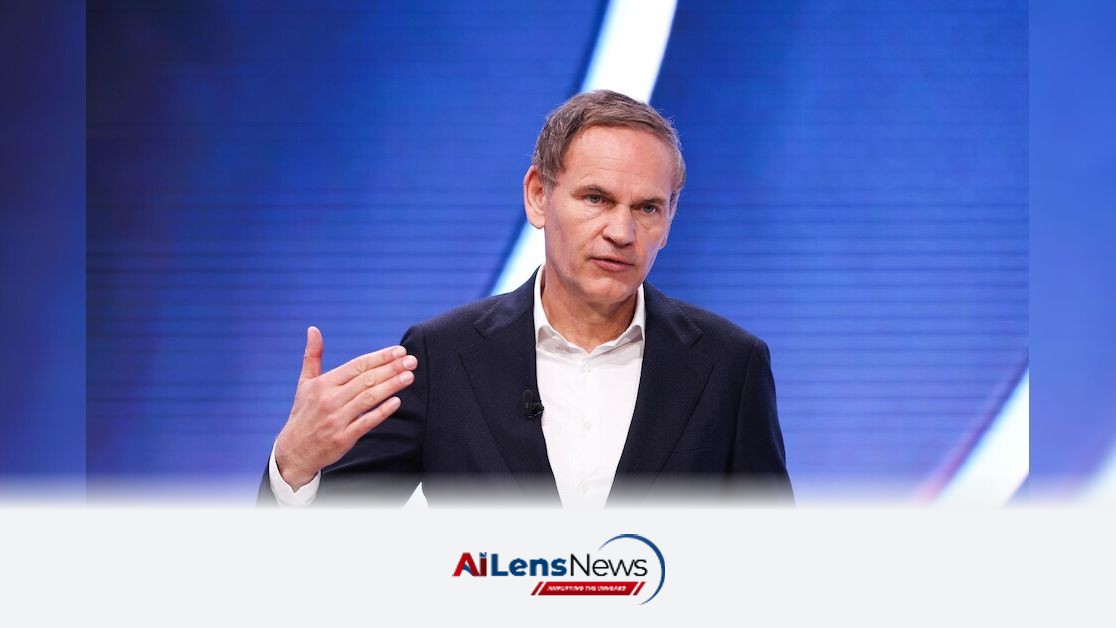



Oliver Blume confronts employees amid plans to cut 100,000 jobs, facing union opposition and pressure from stakeholders at Volkswagen's Wolfsburg factory.
New Delhi, India Aug 25, 2026 ALN: Volkswagen AG, one of the world’s leading automotive manufacturers, is currently facing a significant internal challenge as CEO Oliver Blume prepares to unveil a controversial restructuring plan aimed at reducing costs and adapting to a rapidly evolving automotive landscape. This plan is expected to involve the elimination of up to 100,000 jobs, a move that has sparked considerable backlash from workers and labor unions.
Blume, who has been at the helm since September 2022, is set to address employees at the company’s main facility in Wolfsburg, Germany. This meeting marks the beginning of a series of town hall gatherings across the country, where he and Volkswagen brand chief Thomas Schäfer will outline their vision for the company’s future. The urgency of these meetings is underscored by the growing dissatisfaction among workers, who have expressed concerns over the potential job losses and the broader implications for the company’s workforce.
The backdrop to this crisis is the automotive industry’s significant transformation, driven by the shift towards electric vehicles (EVs), advancements in software technology, and increased competition from global rivals, particularly those in China. Volkswagen, which has historically been a dominant player in the automotive sector, is now grappling with declining sales, particularly in the Chinese market, high operational costs in Germany, and underutilized manufacturing facilities. These challenges have contributed to a cost disadvantage of approximately 30% compared to some competitors, prompting the urgent need for restructuring.
Labor relations in Germany are traditionally characterized by strong union representation, and Volkswagen is no exception. The IG Metall union, which represents a substantial portion of the workforce, has voiced strong opposition to the proposed job cuts. Union leader Christiane Benner has criticized the CEO’s plans as unrealistic, referring to them as “cloud cuckoo land.” This sentiment reflects broader concerns among workers who feel that they are being unfairly asked to bear the burden of past strategic missteps related to software development and the transition to electric vehicles.
As part of the restructuring efforts, Volkswagen is also looking to cut production capacity by 500,000 vehicles annually in Europe, streamline management structures, and reduce the variety of models and equipment options offered. These measures are intended to enhance operational efficiency and improve profit margins, which the company aims to elevate to 9%. However, the approach has been met with resistance from labor leaders who argue that employees should not be the ones to pay for the company’s previous errors in judgment.
The governance structure of Volkswagen adds another layer of complexity to the restructuring process. The company is partially owned by the state of Lower Saxony, which holds significant influence over major corporate decisions. This means that Blume cannot unilaterally implement his plans without the support of powerful labor leaders and state authorities. As political science professor Wolfgang Schroeder notes, there are numerous stakeholders involved, each with their own interests and potential veto power, making it difficult for management to navigate the necessary changes.
Moreover, pressure is mounting from Volkswagen’s major shareholder, Porsche SE, the holding company controlled by the Porsche-Piëch family. The family has urged management to accelerate its restructuring efforts, emphasizing that Volkswagen is at a “historic crossroads.” The urgency stems from declining profits across both Volkswagen and Porsche AG, which have affected the dividends that the family has historically relied upon. This financial pressure is further motivating management to pursue aggressive cost-cutting measures.
In response to the impending job cuts, Blume has committed to engaging directly with employees, with senior executives scheduled to visit various Volkswagen plants in Germany to communicate the necessity of these changes. However, labor leaders, including the company’s top labor official Daniela Cavallo, have made it clear that workers need assurance of future job security and opportunities at all German facilities. They argue that management must deliver a clear plan that outlines how the workforce will be supported through this transition.
Blume’s leadership style has previously been characterized as conciliatory, which may have contributed to his rise within Volkswagen’s complex hierarchy. However, the current circumstances present a formidable challenge that could define his tenure. The success of his restructuring plan will largely depend on his ability to persuade various stakeholders, including labor unions and state representatives, to accept difficult decisions that they have publicly vowed to resist.
In summary, the situation at Volkswagen illustrates the broader challenges faced by traditional automakers in adapting to a rapidly changing industry landscape. As the company navigates this critical juncture, the outcomes of the upcoming town hall meetings and the reception of the restructuring plan will be closely watched, not only for their implications for Volkswagen’s workforce but also for the future of the automotive industry as a whole. The stakes are high, and the potential fallout from these decisions could reverberate throughout the company and beyond, impacting employees, shareholders, and the broader market for years to come.
To learn more about the latest developments in World News & International Affairs, stay updated with our exclusive reports and analyses on AILensNews.