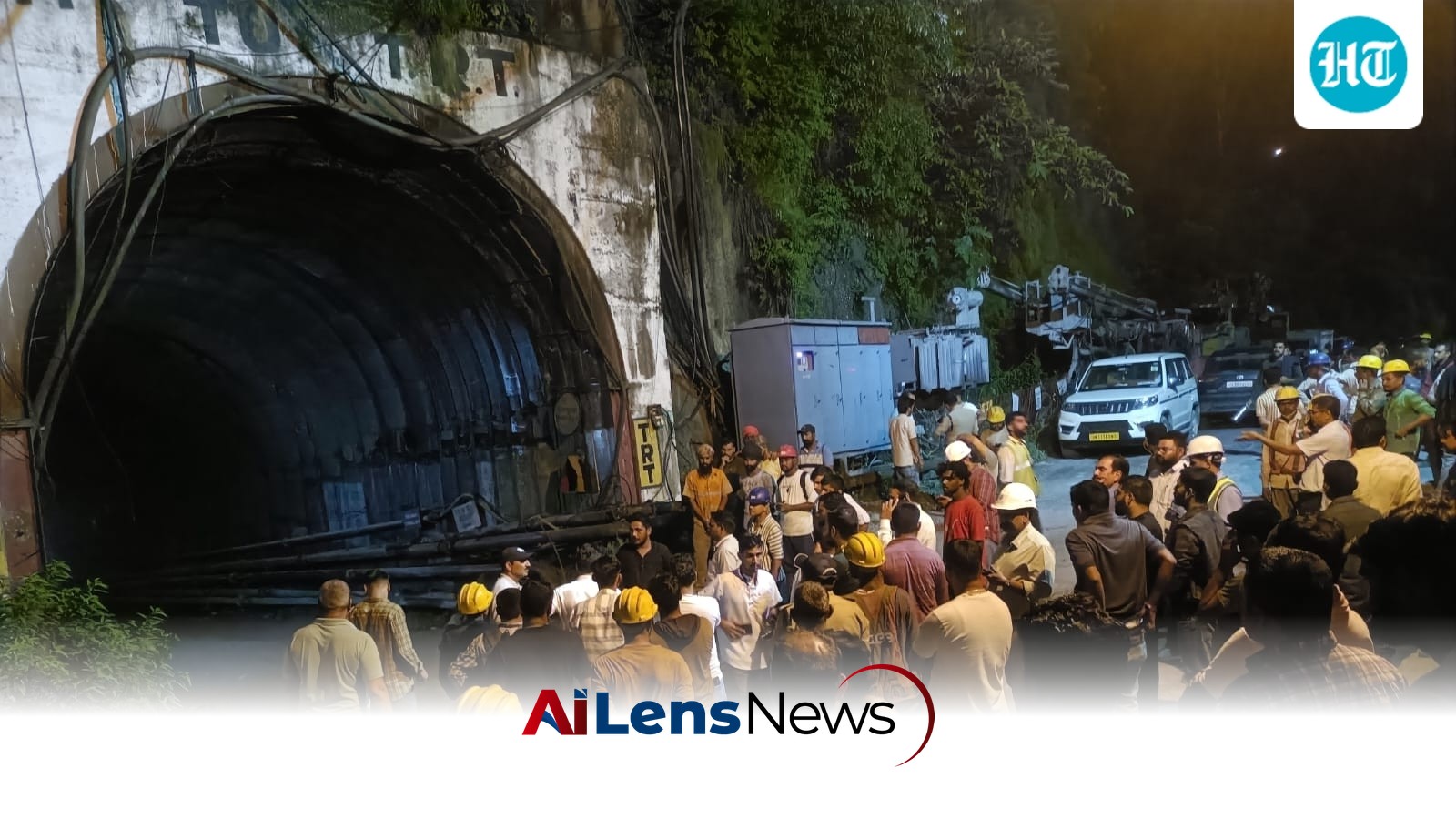


A landslide and water seepage in a Chamoli tunnel led to the death of seven workers and injuries to 14 others during construction activities.
Dehradun, India Aug 14, 2026 ALN: Dehradun: A tragic landslide and heavy water seepage have resulted in the loss of seven lives and left 14 others injured in a catastrophic incident that occurred on Thursday evening in Uttarakhand’s Chamoli district. The landslide triggered a partial collapse inside an under-construction tunnel associated with the Tehri Hydro Development Corporation (THDC), specifically at the Vishnugad-Pipalkoti Hydroelectric Project, located near Mayapur and Pipalkoti.
The incident unfolded around 7 pm, when a sudden and unforeseen landslide struck the construction site, leading to the entrapment of a total of 22 workers inside the tunnel. The tunnel is part of a significant hydroelectric project aimed at harnessing the water resources of the region to generate renewable energy. The construction work was being carried out by HCC, a major player in the infrastructure sector in India, known for its involvement in various large-scale projects.
In the immediate aftermath of the landslide, a large-scale multi-agency rescue operation was initiated to locate and evacuate the trapped workers. By 11 pm, rescue teams managed to evacuate 21 workers from the tunnel. Unfortunately, seven of these individuals were declared dead at the scene, while the remaining 14 were found to have sustained injuries and were promptly transported for medical treatment.
The rescue operation involved a coordinated effort from multiple agencies. Personnel from the National Disaster Response Force (NDRF), State Disaster Response Force (SDRF), Indo-Tibetan Border Police (ITBP), local police, fire service, and the District Disaster Response Force (DDRF) were all mobilized to assist in the rescue efforts. In total, the operation saw the involvement of 57 NDRF personnel, 42 from SDRF, 21 ITBP members, along with local police and fire service personnel, demonstrating the urgency and scale of the response required in such emergencies.
Senior officials from various departments arrived at the site to oversee the rescue and relief operations. The use of HCC machinery and specialized equipment was crucial to clearing the debris and facilitating the rescue teams' access to the trapped workers. This incident highlights the inherent risks associated with construction work in mountainous and geologically unstable regions, where landslides can occur with little warning.
The injured workers were initially taken to the district hospital in Gopeshwar for immediate medical attention. In anticipation of potential critical injuries, the administration placed Base Hospital Srinagar and AIIMS Rishikesh on alert to ensure that any critically injured workers could receive advanced medical care without delay. This proactive approach reflects the local government's commitment to providing adequate healthcare support in the wake of such disasters.
The ongoing rescue and relief operation is being closely monitored by the administration, which is working diligently to assess the situation and provide necessary support to the affected families. The loss of life in this incident is a stark reminder of the dangers faced by workers in the construction industry, particularly in areas prone to natural disasters.
This incident comes against the backdrop of increasing concerns over safety standards and protocols in construction projects, especially those located in challenging terrains like Uttarakhand. The state is known for its picturesque landscapes and natural beauty, but it is also vulnerable to landslides and other geological hazards, particularly during the monsoon season when heavy rains can exacerbate soil instability.
The Chamoli district, where this tragic event occurred, has previously experienced similar incidents. The region's geological composition, combined with human activities such as deforestation and unregulated construction, has led to heightened vulnerability to landslides. In recent years, there has been a growing emphasis on improving safety measures and implementing stricter regulations to mitigate the risks associated with construction in such areas.
In the aftermath of this tragedy, there may be calls for a thorough investigation into the circumstances surrounding the landslide and the adequacy of safety measures in place at the construction site. Stakeholders, including government authorities, construction companies, and labor unions, may need to engage in discussions about enhancing worker safety and ensuring that proper protocols are followed to prevent similar incidents in the future.
The emotional toll on the families of the victims is immeasurable, as they grapple with the sudden loss of their loved ones. Support systems, including counseling services and financial assistance, may be necessary to help these families cope with the aftermath of this disaster. The community's response will also play a crucial role in providing support and solidarity during this difficult time.
As the rescue operations continue, the focus will remain on ensuring the safety of all personnel involved and providing the necessary medical care to the injured. The incident serves as a poignant reminder of the risks faced by workers in hazardous environments and the ongoing need for vigilance and improvement in safety practices within the construction industry.
The Chamoli district is not only known for its stunning natural beauty but also for its challenging topography, which includes steep slopes and unstable geological formations. Such conditions make construction projects particularly risky, especially when combined with factors like heavy rainfall during the monsoon season. The region has a history of landslides, and the government has been under pressure to implement stricter building codes and safety protocols to protect workers and local communities.
In recent years, there has been a push towards sustainable construction practices that take into account the environmental impact of such projects. This includes assessing the geological stability of construction sites and implementing measures to prevent soil erosion and landslides. However, the implementation of these measures is often met with resistance due to the high costs associated with ensuring safety and compliance with regulations.
Additionally, the labor force in the construction sector often consists of migrant workers who may not be fully aware of their rights or the safety protocols that should be in place at their workplaces. This lack of awareness can lead to dangerous situations, as workers may feel pressured to continue working in unsafe conditions due to economic necessity.
As discussions about safety regulations and worker rights gain momentum in the wake of this tragedy, it is crucial for all stakeholders to engage in meaningful dialogue to ensure that the lessons learned from this incident lead to tangible changes in the industry. The government, construction companies, and labor unions must work together to create a safer environment for workers, where safety is prioritized over profit.
The emotional and psychological impact of such disasters extends beyond the immediate families of the victims. The broader community often shares in the grief and loss, and the ramifications can lead to a collective sense of vulnerability and fear. Community support initiatives, including memorials and support groups, can help in the healing process, allowing individuals to come together to share their experiences and support one another.
In conclusion, the landslide in Chamoli is a tragic reminder of the inherent dangers faced by workers in the construction industry, particularly in regions prone to geological hazards. As rescue operations continue and investigations are initiated, it is imperative that the focus remains on improving safety practices and protecting the lives of those who contribute to the development of infrastructure in challenging environments. The need for a comprehensive approach that includes better regulations, worker education, and community support is essential to prevent such tragedies from occurring in the future.
To learn more about the latest developments in Crime & Law, stay updated with our exclusive reports and analyses on AiLensNews.

