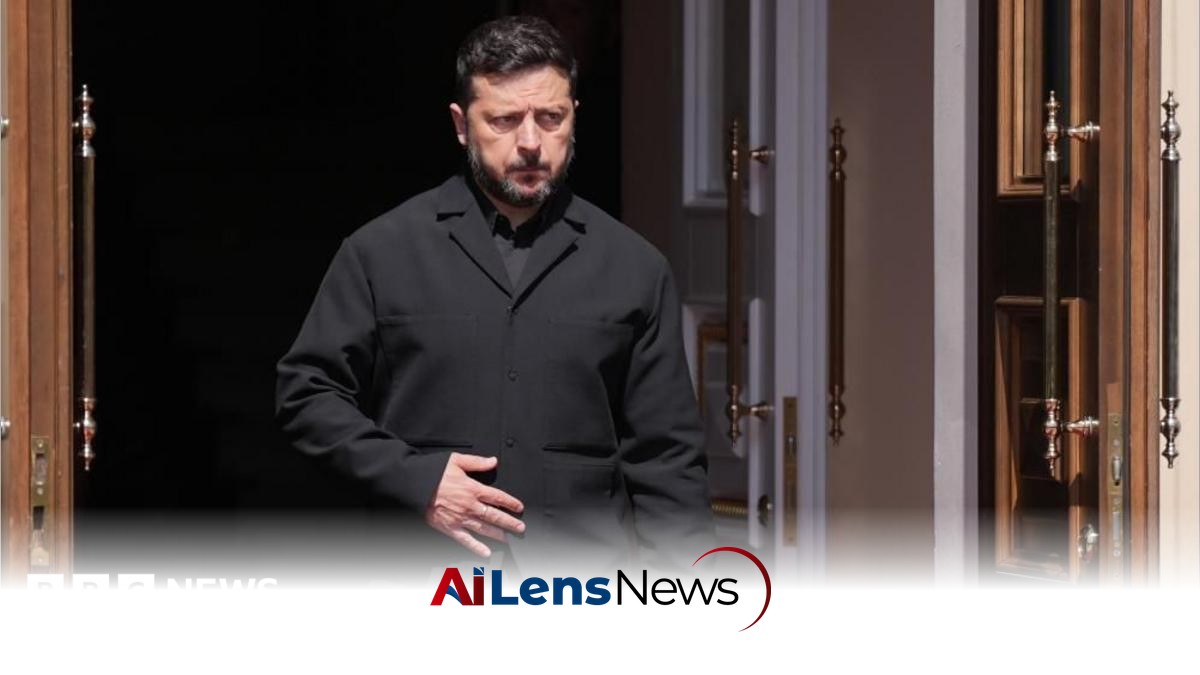


Andy Burnham reaffirms the UK's commitment to Ukraine as President Zelensky prepares for his first visit since the new PM took office.
New Delhi, India Jul 27, 2026 ALN: UK Prime Minister Andy Burnham has pledged to continue the UK's "unwavering" support for Ukraine ahead of a meeting with President Volodymyr Zelensky on Monday.
Zelensky will become the prime minister's first international visitor since he took office a week ago, which No 10 said "illustrates the strength of the relationship between the two nations". This visit comes at a critical time as Ukraine continues to face ongoing military aggression from Russia, which has significantly impacted the geopolitical landscape of Europe and beyond.
In the context of the ongoing conflict, the UK has emerged as one of Ukraine's staunchest allies, providing military, financial, and humanitarian support since Russia's annexation of Crimea in 2014 and the subsequent escalation of hostilities in 2022. The UK government has committed significant resources to bolster Ukraine's defense capabilities, reflecting a broader commitment to European security and stability.
During the meeting, Burnham and Zelensky will visit a naval base, where Burnham is expected to announce the sharing of the intellectual property behind the UK's new "Stone Cloak" electronic warfare system. This initiative aims to enable Ukraine to produce the technology at scale, thereby enhancing its military capabilities against Russian forces. The Stone Cloak system, which consists of electronic jammers the size of a tablet computer, is designed to block the detection of drones, a critical component in modern warfare.
The UK Ministry of Defence has already supplied thousands of these devices to Ukrainian forces to bolster their drone operations, which have become increasingly vital in the ongoing conflict. The ability to effectively counter drone surveillance and attacks is essential for maintaining operational security and conducting successful military operations.
Furthermore, Downing Street has indicated that following its deployment in Ukraine, the technology will be integrated into the UK's next generation of long-range weapons. This includes Project Brakestop, a government program aimed at developing low-cost cruise missiles—self-propelled guided weapons that are designed to fly like normal aircraft for much of their flight. This advancement highlights the UK's commitment to not only support Ukraine but also to enhance its own defense capabilities in response to evolving threats.
During Monday's visit, the two leaders will also meet more than 200 Ukrainian military personnel who have spent the last three weeks participating in a maritime exercise in the UK. Exercise Sea Breeze is aimed at strengthening warfighting capabilities and counter-mine measures in the Black Sea, an area of strategic importance given the ongoing hostilities and the critical shipping routes that traverse this region.
The UK's backing of Ukraine has been consistent since Russia's invasion four years ago, with the UK committing £25 billion in funding to support Ukraine's defense efforts. This financial support has been used to provide military equipment, training, and humanitarian aid, demonstrating the UK's commitment to Ukraine's sovereignty and territorial integrity.
In one of his first calls after becoming prime minister, Burnham spoke with Zelensky and invited him to visit the UK "at the earliest opportunity". This prompt engagement underscores the importance of maintaining strong diplomatic ties and support for Ukraine amidst the ongoing conflict.
In a post on social media platform X shortly after the invitation, Zelensky expressed his appreciation for the UK's steadfast support, stating, "I truly appreciate that the support for Ukraine and our people will remain steadfast." This sentiment reflects the reliance of Ukraine on its allies as it continues to navigate the challenges posed by the Russian invasion.
Burnham's predecessor, Sir Keir Starmer, visited Kyiv on his final full day as Labour leader. During that trip, he announced fresh funding worth £255 million (300 million Euro) for Ukraine's fight against Russia and was awarded Ukraine's Order of Freedom—a recognition of the UK's support and solidarity with Ukraine during these turbulent times.
In light of the ongoing conflict, Zelensky has expressed concerns about potential changes in leadership in both the UK and France in the coming year. He stated, "Of course I'm afraid of changes, of course we are afraid because we are in the war each day. But again the priority is the relation between nations, not just between just people. I'm sure that these relations will not change, or we have to do our best not to lose such very good relations." This comment highlights the fragility of international alliances in times of conflict and the importance of consistent support from allies.
Zelensky further added, "I hope we will never lose strong relations with the UK during or after the war." To this, Sir Keir replied, "You won't." This exchange illustrates the commitment of UK leaders to maintain strong relations with Ukraine, regardless of political changes, emphasizing the broader strategic partnership that has developed over the years.
The implications of this visit and the continued support from the UK are significant, not only for Ukraine but for the broader geopolitical landscape. As the conflict continues, the support of Western allies, including the UK, remains crucial for Ukraine's defense and resilience against Russian aggression. The ongoing military cooperation, including technology transfer and joint exercises, serves to strengthen Ukraine's capabilities and deter further aggression.
As the situation in Ukraine evolves, the commitment of the UK and other allies will be pivotal in shaping the outcome of the conflict. The international community's response to Russia's actions will likely influence future geopolitical dynamics, with potential ramifications for security in Europe and beyond. The ongoing support for Ukraine symbolizes a broader commitment to upholding international law, territorial integrity, and the principles of democracy in the face of aggression.
To learn more about the latest developments in Politics, stay updated with our exclusive reports and analyses on AiLensNews.

