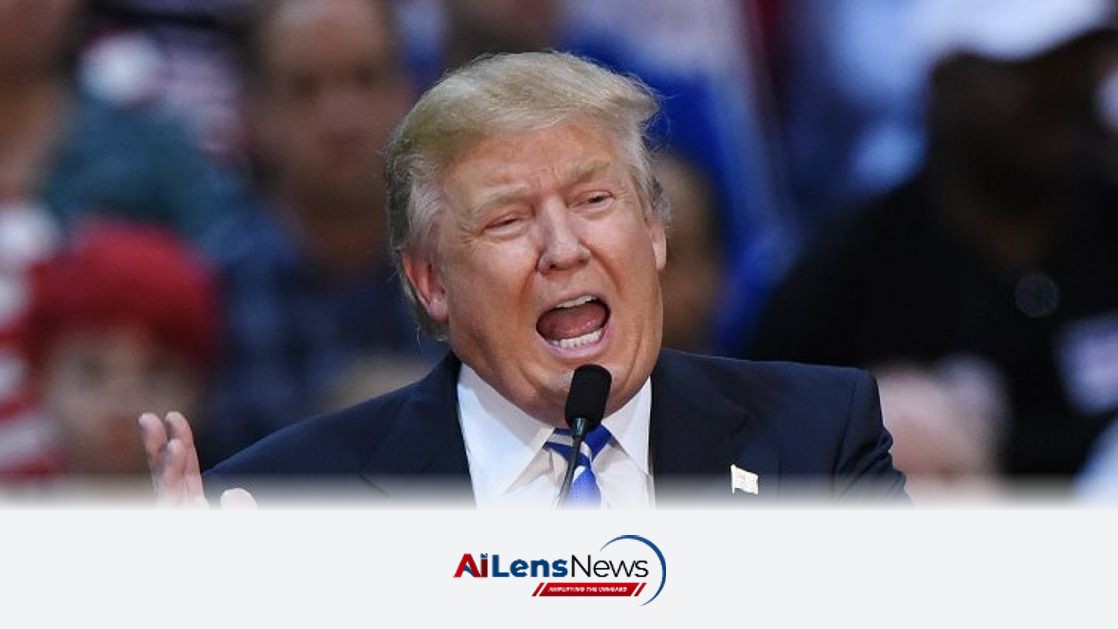



US Ambassador Sergio Gor disclosed that India requested a no-questions media format for Modi's meeting with Trump at the G7 summit, which Trump overlooked.
New Delhi, India Aug 24, 2026 ALN: US Ambassador to India Sergio Gor has revealed that India’s Ministry of External Affairs (MEA) had requested a “no-questions” media format ahead of Prime Minister Narendra Modi’s meeting with US President Donald Trump at the G7 summit. This request underscores the delicate nature of diplomatic engagements, particularly when high-profile leaders are involved, and reflects the Indian government's desire to control the narrative during such significant interactions.
Speaking at the Economic Times World Leaders Forum in New Delhi, Gor stated that the Indian side wanted journalists to be present to record the leaders’ opening remarks but not ask questions. This format is not uncommon in diplomatic meetings, especially when leaders are discussing sensitive topics or when the agenda is tightly controlled to avoid any misunderstandings or misrepresentations. The intention behind such requests often revolves around maintaining a focused dialogue and ensuring that the key messages are conveyed without diversion.
Trump had initially agreed to the arrangement, which indicated a willingness to accommodate India’s request for a more structured media interaction. However, after Modi and Trump finished their opening statements, Trump appeared to forget the agreement and turned towards the cameras, asking, “Any questions?” This unexpected shift from the planned format not only surprised the Indian delegation but also created a situation where the media interaction extended beyond what was initially intended. What was planned as a brief media interaction subsequently turned into an extended 45-minute press session, Gor recalled.
Gor’s account offers a glimpse into the behind-the-scenes preparations for high-level India-US meetings and highlights Trump’s tendency to depart from pre-agreed media protocols. This incident illustrates the unpredictability that often accompanies interactions with Trump, who has been known to engage with the media in a spontaneous manner, often leading to unscripted moments that can shift the focus of discussions. This has implications for how diplomatic communications are managed, particularly in situations where leaders are addressing contentious or sensitive issues.
Modi met Trump on June 17 on the sidelines of the G7 summit in eastern France, shortly after three Indian mariners were killed when a commercial vessel came under attack by the US Navy in the Strait of Hormuz. During the meeting, Modi raised concerns over the safety of Indian seafarers operating in the conflict-affected region. This context is crucial as it highlights the importance of the meeting, not just for bilateral relations but also for the safety and security of Indian nationals abroad. The incident involving the Indian mariners added an additional layer of urgency to the discussions, making the need for a controlled and focused media approach even more significant.
The G7 summit itself is a platform where major economies come together to discuss global issues, including trade, security, and environmental challenges. For India, participation in such forums represents an opportunity to strengthen its ties with powerful nations, particularly the United States, which has emerged as a key partner in various domains, including defense, technology, and trade. The dynamics of the India-US relationship have evolved significantly over the past few years, with both nations seeking to enhance cooperation in areas such as counter-terrorism, climate change, and regional security in the Indo-Pacific.
Moreover, the Indian government has yet to officially respond to Gor’s remarks regarding New Delhi’s request for a no-questions format. The lack of a formal response may indicate a strategic decision to maintain a low profile regarding the incident, allowing the focus to remain on the substantive issues discussed during the meeting rather than the media interaction itself. This approach aligns with India’s broader diplomatic strategy, which often seeks to present a united front in international forums, especially when addressing sensitive issues that could impact national interests.
The implications of this incident extend beyond just media management. It raises questions about the nature of international diplomacy in the age of instant communication and social media, where every statement and interaction can be scrutinized in real time. Leaders must navigate these complexities carefully, balancing the need for transparency with the necessity of maintaining control over the narrative. Furthermore, it highlights the varying approaches to media engagement among different leaders, which can influence public perception and the overall success of diplomatic efforts.
In conclusion, the revelation by US Ambassador Sergio Gor not only sheds light on the specific media arrangements made for the Modi-Trump meeting but also serves as a reminder of the intricate dance of diplomacy. As countries like India and the United States continue to strengthen their partnership, understanding the nuances of communication—both public and private—will be essential for achieving their shared goals and addressing the challenges that lie ahead.
To learn more about the latest developments in World News & International Affairs, stay updated with our exclusive reports and analyses on AILensNews.

