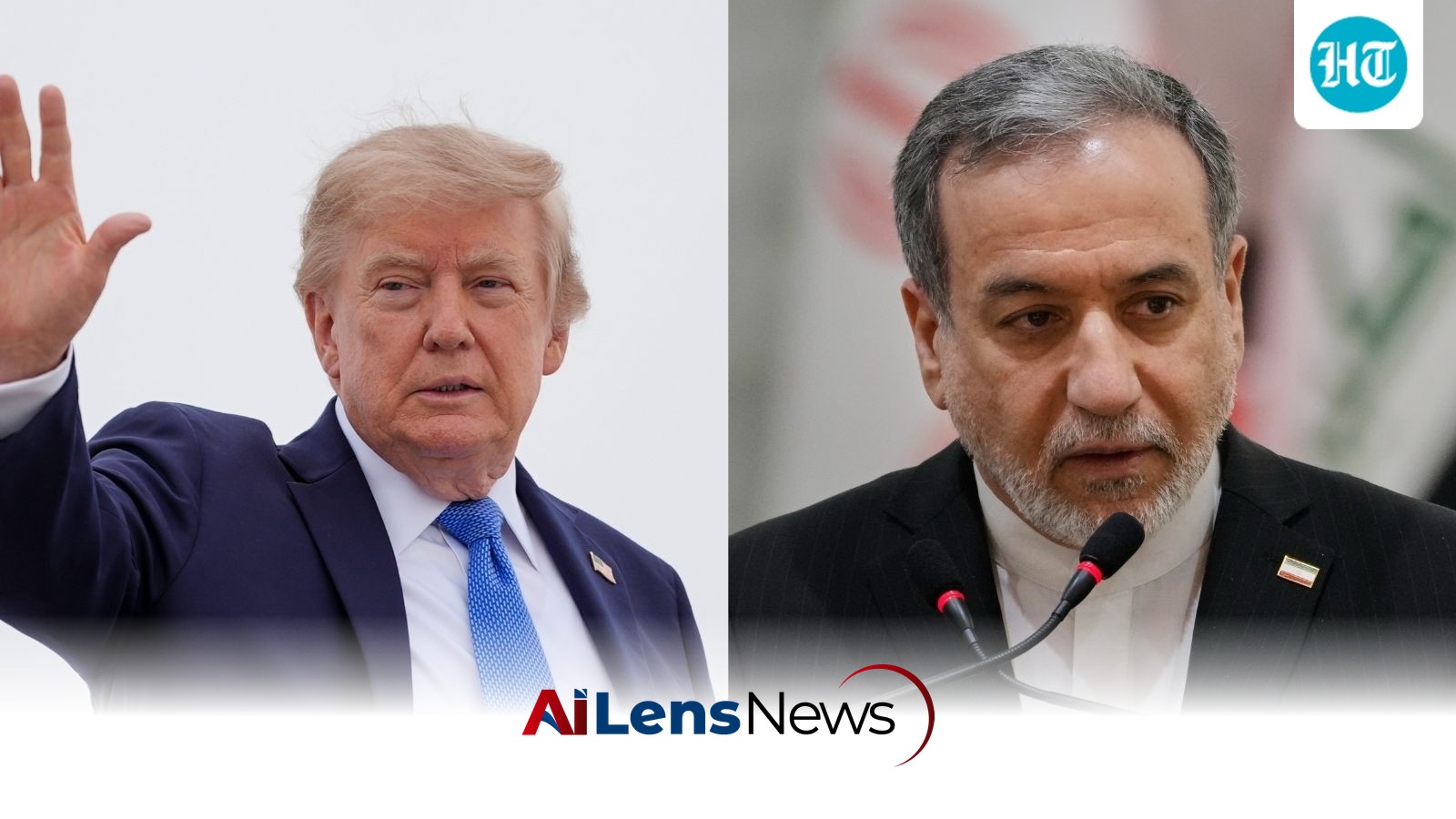


As the US-Iran conflict intensifies, President Trump urges Americans to accept higher gasoline prices to counter Iran's nuclear ambitions.
New Delhi, India Aug 16, 2026 ALN: United States President Donald Trump urged Americans to accept slightly higher gasoline prices as the US-Iran conflict continues. At a political rally in Garden City, New York, Trump stated that paying “a tiny little bit more for your gasoline” would be worth the cost of ensuring “a very evil country” could not obtain nuclear weapons. This assertion reflects a broader geopolitical strategy that the Trump administration has adopted, focusing on national security and energy independence as critical components of American foreign policy.
Trump's comments come at a time when tensions between the US and Iran are escalating, particularly concerning Iran's nuclear ambitions and its influence in the Middle East. The US has long viewed Iran as a destabilizing force in the region, and the potential for Iran to develop nuclear weapons has been a significant concern for multiple administrations. The rhetoric surrounding the nuclear threat has intensified in recent weeks, with both nations engaging in a war of words that has implications for global oil markets and international relations.
He further alleged that he would be “declaring” Hormuz “a territory of the United States” after America defeats Iran. This statement is particularly provocative, as the Strait of Hormuz is a vital waterway that facilitates a significant portion of the world's oil shipments. Approximately 20% of the global oil supply passes through this strait, making it a strategic point of interest for both Iran and the United States. The notion of declaring it a US territory raises questions about international law and the potential for military confrontation in the region.
Progress towards a ceasefire has stalled, even as Iran reiterated that it has not resumed talks with the US. Consequently, oil tanker traffic through the strait remains halted. The geopolitical landscape in the region is complicated by various alliances and enmities, with countries like Saudi Arabia, Israel, and Russia playing significant roles in the ongoing conflict. The lack of dialogue between the US and Iran has led to heightened tensions and uncertainty in the global oil market.
Iran on Saturday called on the United States to accept the “reality of defeat,” a day after Trump vowed to bring the Strait of Hormuz under American control. This statement from Iranian officials reflects a broader narrative within Iran that portrays the US as an aggressor, particularly in light of the sanctions imposed on the country. Iran's leadership has historically framed its resistance to US policies as a matter of national pride and sovereignty, appealing to domestic audiences while also attempting to garner support from sympathetic nations.
The crisis over the waterway, critical to crude oil and natural gas shipping, deepened as Iran stated it “will be opened and closed only under” its command. Iran's deputy foreign minister Kazem Gharibabadi remarked, “So long as you do not accept the reality of defeat and stop indulging in fantasies, Iran will continue to enforce the blockade.” This declaration signals Iran's intent to maintain control over its territorial waters and assert its influence in the region, despite facing significant economic pressures from international sanctions.
Meanwhile, Iranian foreign minister Abbas Araghchi indicated that Iran had not decided to resume talks with the US. He told Iranian news outlet Shahrara News that the US must meet conditions regarding the strait for shipping traffic to resume. The conditions set by Iran include lifting sanctions and ensuring the security of Iranian shipping routes, which they perceive as essential for their economic stability. The impasse in negotiations underscores the complexities of diplomacy in a region fraught with historical grievances and mistrust.
Trump and US Treasury Secretary Scott Bessent have vowed to inflict more financial damage on Iran, with Bessent stating that announcements of additional measures against Tehran would be made next week. The administration's strategy appears to be one of maximum pressure, aimed at compelling Iran to alter its behavior regarding nuclear development and regional influence. However, this approach has also raised concerns about the humanitarian impact of sanctions on the Iranian populace and the potential for further escalation of hostilities.
The stalled negotiations have sparked inflation and disappointed voters in the US. According to the American Automobile Association, the average price of a gallon of gasoline reached $4.08 on Friday, marking a 29% increase from the previous year. Crude oil futures also rose by $1 a barrel on Friday, with benchmark Brent futures set for a weekly rise of 6.0% and West Texas Intermediate by 5.4%. The rising gasoline prices have become a significant issue for American consumers, particularly as they prepare for summer travel and vacations. The economic implications of higher fuel costs can affect consumer spending, which is a critical driver of the US economy.
Despite its defiant stance, Iran is also facing economic repercussions from the conflict. Iranian President Masoud Pezeshkian attributed high inflation to a US blockade of the country's ports and sanctions on Iran's oil exports. The Iranian economy, heavily reliant on oil revenue, has been significantly impacted by these sanctions, leading to a rise in unemployment and a decline in living standards for many Iranians. The economic situation in Iran is further complicated by internal political dynamics, including public dissatisfaction with the government's handling of the economy and the pressures of international isolation.
In conclusion, the ongoing tensions between the US and Iran regarding the Strait of Hormuz and nuclear proliferation are not only shaping the geopolitical landscape but also having direct consequences for the economies of both nations. The potential for military conflict remains a significant concern, as does the impact of rising oil prices on global markets and American consumers. As both sides navigate this complex situation, the path forward remains uncertain, with the possibility of further escalation or a renewed push for diplomatic engagement.
To learn more about the latest developments in Crime & Law, stay updated with our exclusive reports and analyses on AiLensNews.

