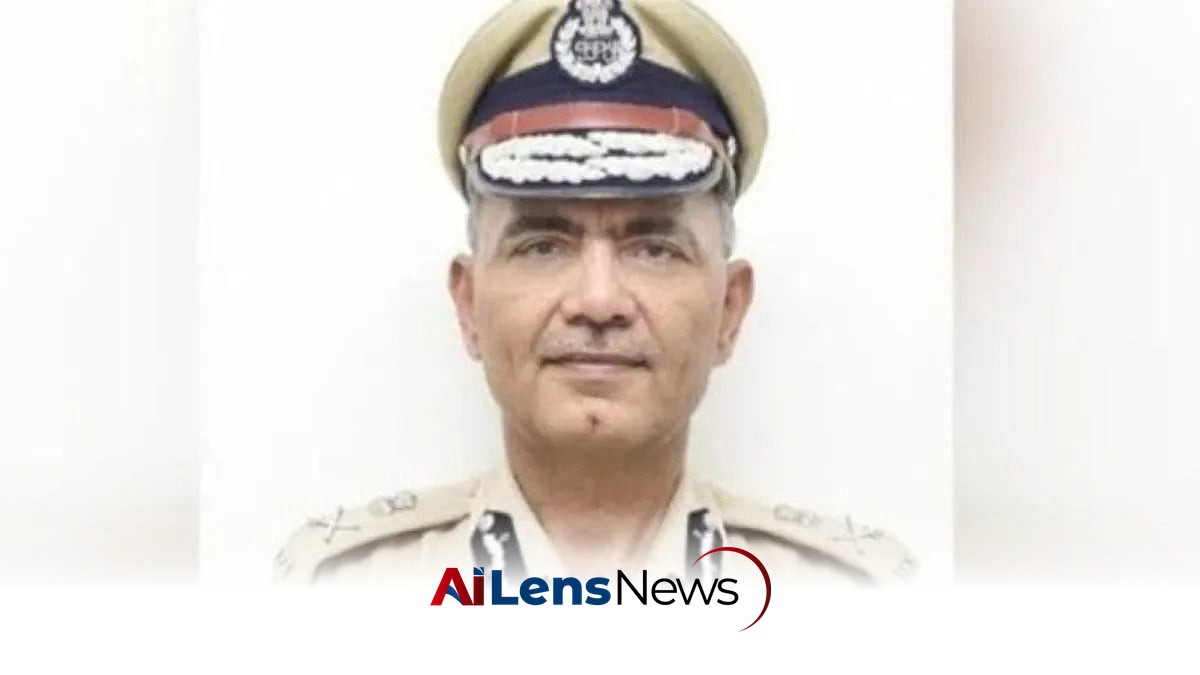


The Tripura Police have begun a forensic examination of DGP Anurag Dhankar's electronic devices following his death, which is being investigated as unnatural.
New Delhi, India Jul 22, 2026 ALN: Guwahati: Today, the Tripura Police have initiated a detailed investigation into the death of the Director General of Police (DGP) Anurag Dhankar, and all his electronic gadgets have been put under forensic examination.
The 1994 batch Indian Police Service (IPS) officer Dhankar was found hanging in the washroom of his chamber at the Tripura Police Headquarters, Agartala. A case of unnatural death has been filed with police, and they are investigating the circumstances of his death. The discovery of Dhankar's body has sent shockwaves through the state and raised numerous questions regarding the pressures faced by senior police officials in India.
All the electronic gadgets used by the DGP, such as his mobile phone, laptop, and personal computer, have been seized and will be sent to the State Forensic Science Laboratory (SFSL) at Narsingarh in West Tripura for investigation. This step is crucial as the examination of these devices may yield significant insights into his mental state leading up to his death, as well as any potential external factors that may have contributed to this tragic event.
According to police reports, Assistant Inspector General of Police (Headquarters) Prabir Majumder had complained that Dhankar had ordered his officers not to allow any visitors into his chamber before 11 am on Monday. This unusual directive raises questions about his state of mind prior to his death and whether he was experiencing overwhelming stress or other issues that led him to isolate himself.
When Dhankar failed to come to his office for an extended period, employees grew concerned. Police reported that they found the washroom locked, and upon pushing open the door, they discovered him hanging from the ventilator. The circumstances surrounding his death are particularly alarming, as they suggest a sudden and drastic decision taken by an individual who had previously navigated numerous challenges during his career.
The incident has triggered calls for an independent inquiry into the circumstances of Dhankar's death. A senior leader from the Communist Party of India (Marxist) (CPI(M)) expressed disbelief that such a high-ranking police officer, who had successfully handled multiple tough situations throughout his tenure, would take such a drastic step without a compelling reason. The leader suggested that Dhankar had been under significant mental stress, which may have contributed to his untimely death, and urged the government to order a judicial probe to uncover the truth behind this tragedy.
Senior Tripura High Court advocate Somik Deb also called for a thorough investigation. He noted that while the case initially appeared to be one of suicide, it is imperative that every aspect leading to the DGP's death be meticulously examined. This includes looking into his professional responsibilities, personal life, and any potential external pressures that may have influenced his state of mind.
Dhankar's body was flown to Delhi by air ambulance on Tuesday. His last rites are scheduled to be held today at his native village of Baraut in Baghpat district, Uttar Pradesh. The funeral is expected to attract attention from various quarters, including law enforcement officials and political leaders, who may wish to pay their respects to a figure who played a significant role in maintaining law and order in Tripura.
The death of Anurag Dhankar is not just a personal tragedy but also a reflection of the broader issues faced by law enforcement officials in India. Police officers often work under immense pressure, dealing with crime, political interference, and public scrutiny. The mental health of police personnel has become an increasingly important topic, with many officers experiencing burnout and stress as they navigate their demanding roles.
This incident may prompt discussions around the need for better mental health support systems for police officers, as well as the importance of creating an environment where officers feel safe to seek help without fear of stigma or repercussions. The government may also need to consider implementing policies that address the mental well-being of its police force, ensuring that officers have access to counseling and support services.
In addition to the immediate investigation into Dhankar's death, this incident could lead to a broader examination of the working conditions and support mechanisms available to police officers in India. There may be calls for reforms aimed at improving the mental health landscape within law enforcement agencies, which could ultimately enhance the effectiveness and well-being of officers across the country.
As the investigation unfolds, the Tripura Police will likely face scrutiny regarding their internal practices and the support provided to their personnel. The findings of the forensic examination of Dhankar's electronic devices may reveal critical information that sheds light on his state of mind and the factors that contributed to his tragic decision. Until then, the loss of Anurag Dhankar serves as a somber reminder of the challenges faced by those in law enforcement and the urgent need for systemic changes to support their mental health and well-being.
The implications of Dhankar's death extend beyond personal tragedy; they touch on systemic issues within the police force and the broader societal context in which law enforcement operates. The pressures faced by police officials, particularly in regions with high crime rates or political tensions, can lead to severe mental health challenges. Officers may often find themselves in situations where they are required to make quick decisions under stress, and the cumulative effect of such pressures can be detrimental to their mental health.
Moreover, the stigma surrounding mental health issues in India can discourage officers from seeking help. The culture within many police departments may not prioritize mental health, leading to a lack of resources and support for officers struggling with stress, anxiety, or depression. This incident may serve as a wake-up call to address these issues, prompting a reevaluation of how police departments approach mental health and well-being.
Furthermore, the investigation into Dhankar's death may also reveal potential shortcomings in the administrative support provided to police personnel. It is essential to consider whether officers have adequate access to mental health resources, including counseling services and stress management programs. The findings could lead to recommendations for policy changes aimed at ensuring that police officers receive the support they need to perform their duties effectively while maintaining their mental health.
As the Tripura Police continue their investigation, community engagement and transparency will be crucial in addressing public concerns regarding the circumstances of Dhankar's death. The police force must communicate openly about the steps being taken to investigate the incident and the measures that will be implemented to support the mental health of their officers moving forward. Building trust with the community is essential, particularly in light of this tragic event.
In conclusion, the death of Anurag Dhankar is a significant event that underscores the urgent need for systemic changes within law enforcement agencies in India. The investigation into his death may serve as a catalyst for broader discussions about mental health support for police officers, the working conditions they face, and the importance of creating an environment that prioritizes their well-being. As the community mourns the loss of a dedicated public servant, it is vital to reflect on the challenges faced by those who serve and protect, and to advocate for the changes necessary to support their mental health and professional effectiveness.
- Tripura DGP Anurag Dhankar Found Dead in Office
To learn more about the latest developments in Crime & Law, stay updated with our exclusive reports and analyses on AiLensNews.

