

The District Rural Development Agency is set to construct a bitumen road connecting remote tribal hamlets atop Alleri hillock to the plains, following a tragic incident highlighting the urgent need for access.
Chennai, India Jul 25, 2026 ALN: The remote tribal hamlets atop Alleri hillock, located in the Jawadhu Hills on the outskirts of Vellore town, are set to receive their first bitumen road since India gained independence in 1947. This significant development is not merely a matter of convenience; it represents a crucial improvement in access to essential services and healthcare for the residents of these hamlets. The need for such infrastructure was tragically underscored by a recent incident involving the death of a 35-year-old tribal man who succumbed to a snakebite while being transported on foot to the nearest hospital. This incident highlighted the dire consequences of inadequate access to medical facilities, particularly during emergencies.
The District Rural Development Agency (DRDA) has taken the initiative to submit a comprehensive compensation package to the Commissionerate of Land Administration of the State government. This package is vital for the commencement of road construction in the area. The proposal for the road has been actively pursued since 2023, following the aforementioned tragic incident, emphasizing the urgent need for improved access to healthcare and other essential services for the tribal communities residing in these remote areas.
According to Mohammed Wasim, the Assistant Engineer (AE) at DRDA, the process of securing the necessary clearances for the road work is ongoing. "Continuous paperwork is being done to get clearance for the road work. Once the proposal gets its nod from the Commissionerate of Land Administration, work will start in two months," he stated. This statement reflects the bureaucratic challenges often faced in infrastructure projects, particularly in remote areas where multiple approvals are required from various government departments.
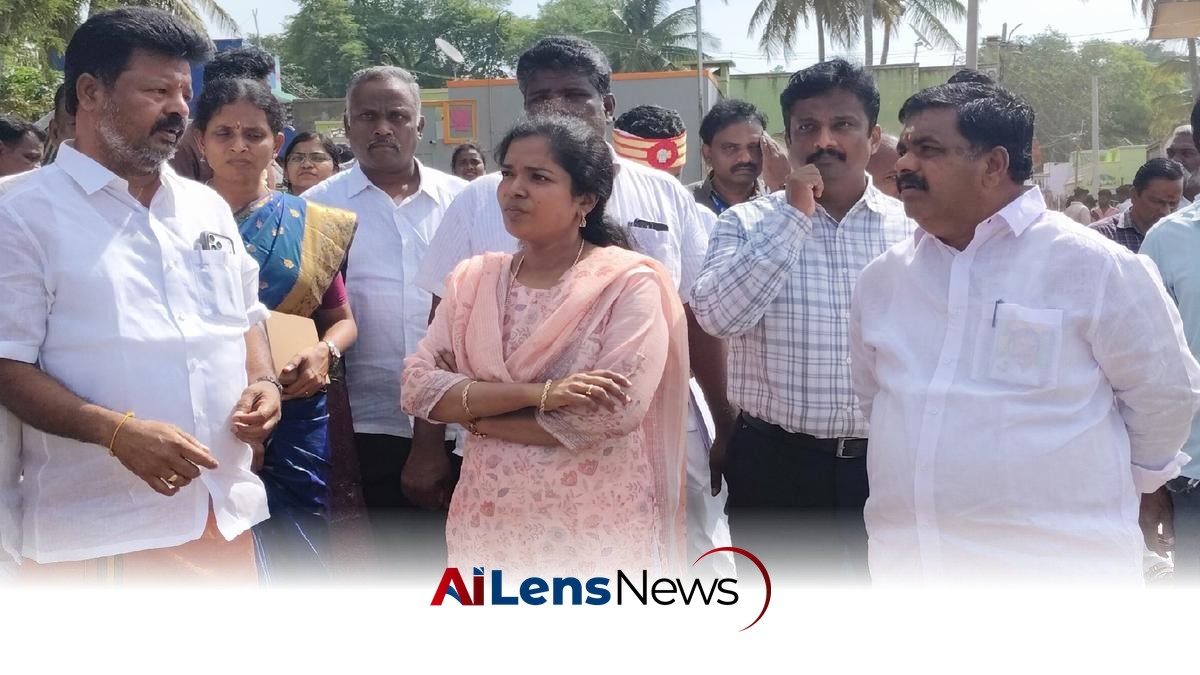
In a recent inspection of the tribal hamlets, DRDA officials were accompanied by M. Vijay Chandran, the District Health Officer (DHO) of Vellore, and Collector P.S. Leela Alex. During their visit, the officials witnessed firsthand the challenges faced by the residents. B. Sadaiyan, a local resident, expressed the community's frustrations, stating, "During monsoon, the hamlets in the hills are cut off from towns in the plains, forcing sick individuals to be carried to the nearest hospital at the foothills. A permanent bitumen road will end our ordeal." This statement captures the essence of the residents' struggle and their hope for a better future with improved infrastructure.
The planned road will serve as a vital link connecting Varadalampattu and Nelli Marakollai villages, covering a total distance of 8 kilometers. Notably, five kilometers of this route will traverse the Alleri Reserve Forest (RF), which raises important environmental considerations. The development of this road is expected to significantly benefit eight remote hamlets within the Alleri village panchayat, which consists of 12 hamlets with a combined population of approximately 2,000 tribal residents. This population has historically faced challenges related to isolation, limited access to education, healthcare, and economic opportunities.
The new road will be designed to be at least five meters wide and will incorporate at least 15 culverts to effectively manage excess rainwater. This design feature is particularly important considering the region's monsoon season, during which heavy rains can lead to flooding and damage to the carriageway. The entire project is anticipated to be completed within six months, with an estimated cost of ₹17 crore. This financial investment underscores the government's commitment to improving the living conditions of tribal communities in the region.
In terms of environmental impact, forest officials have confirmed that three hectares of forest land have been earmarked for the road construction. A compensation of ₹1.3 crore was paid in February for this land acquisition, reflecting the government's efforts to balance development with environmental conservation. Additionally, six hectares of alternative land have been identified as compensation to the Forest Department for the loss of forest land. Such measures are necessary to mitigate the ecological impact of infrastructure projects, particularly in sensitive areas like the Alleri Reserve Forest.
Currently, the tribal hamlets in the region are equipped with limited facilities, including a government primary school, a Public Distribution System (PDS) outlet housed in a rented building, and a bike ambulance service. These services are crucial for the community, yet they highlight the broader issue of inadequate infrastructure and resources in tribal areas. The introduction of a bitumen road is expected to not only enhance access to healthcare and education but also facilitate economic opportunities by connecting residents to larger markets and employment centers.
The implications of this road construction extend beyond mere transportation. Improved access can lead to better educational outcomes for children, as families may find it easier to send their children to schools located in nearby towns. Additionally, access to healthcare services can significantly reduce mortality rates and improve overall community health. Furthermore, the road can open up avenues for local businesses and agricultural products to reach wider markets, thereby boosting the local economy.
This initiative is part of a broader effort by the Indian government to address the developmental challenges faced by tribal communities across the country. Historically, these communities have been marginalized, often lacking basic infrastructure and services that are taken for granted in urban areas. The construction of the bitumen road in the Alleri hamlets represents a step toward rectifying these disparities and ensuring that tribal populations are not left behind in the nation’s development journey.
In conclusion, the planned bitumen road for the tribal hamlets atop Alleri hillock is a much-needed development that promises to transform the lives of the residents. By improving access to essential services, enhancing economic opportunities, and fostering community well-being, this project stands as a testament to the importance of infrastructure development in promoting social equity and improving living standards in remote areas. As the project progresses, it will be crucial to monitor its implementation and ensure that the needs and voices of the tribal communities are prioritized throughout the process.
To learn more about the latest developments in Crime & Law, stay updated with our exclusive reports and analyses on AiLensNews.

