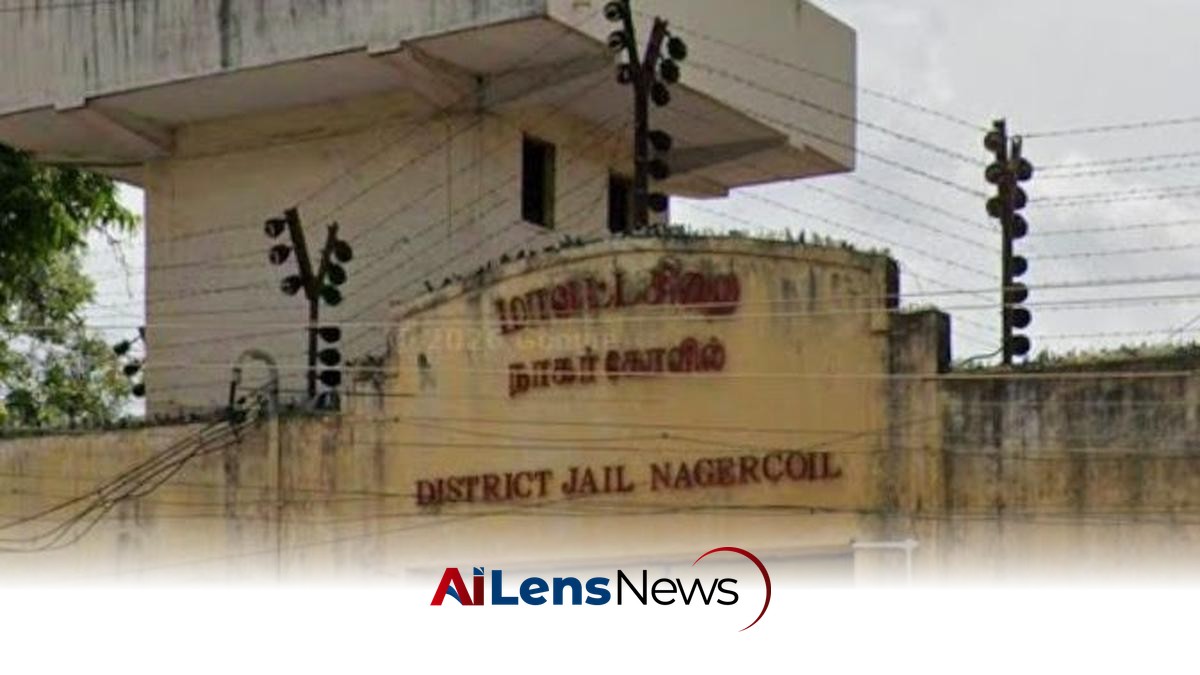


Three jail officials, including the chief warder, have been arrested following the suspicious death of a remand prisoner, Sabari Varman, in Nagercoil jail.
Chennai, India Jul 14, 2026 ALN: The police have arrested the chief warder and two warders of Nagercoil jail following the suspicious death of a remand prisoner on July 12, 2026. The deceased, Sabari Varman, 34, was a differently abled individual from Eeththankaadu near Suchindram, who had been arrested on July 9 for allegedly possessing the banned substance gutka. This incident has raised serious concerns regarding the treatment of prisoners, particularly those with disabilities, within the correctional system in India.
Sabari Varman's arrest was part of a broader crackdown on the distribution and use of gutka, a chewable tobacco product that is illegal in many parts of India due to its health risks. The government has been increasingly vigilant in enforcing laws against gutka, which is often linked to various health issues, including cancer. However, the enforcement of such laws must also consider the rights and treatment of individuals who are arrested, especially those who may be vulnerable due to physical or mental disabilities. The rise in enforcement actions against gutka has been a response to public health campaigns aimed at reducing tobacco use, but it has also led to increased scrutiny of law enforcement practices in handling vulnerable populations.
Varman's family, supported by various organizations advocating for prisoner rights and disability rights, refused to accept his body until a thorough investigation into the circumstances surrounding his death was conducted. The family's demands for justice reflect a growing public sentiment that seeks accountability for the treatment of prisoners in jails across the country. The emotional weight of the situation has been compounded by Varman's status as a differently abled individual, which raises questions about the adequacy of care and protection afforded to such individuals within the prison system. Advocacy groups have long highlighted the challenges faced by differently abled prisoners, including inadequate medical care, accessibility issues, and the potential for abuse and neglect.
In response to the unrest and public outcry, Superintendent of Police Stalin visited the prison to conduct an investigation. His presence was intended to reassure the family and the public that the authorities were taking the matter seriously. During his visit, he interrogated the warders and other prison officials, assuring the protesters that appropriate action would be taken based on the post-mortem report and the findings from his inquiry. This step was crucial in attempting to restore public confidence in the investigative process, which is often scrutinized in cases involving law enforcement and prison authorities. The involvement of high-ranking officials in such inquiries is not uncommon, as it signals the importance of the case and the need for a thorough examination of the circumstances.
The inquiry conducted by Judicial Magistrate Sathyamurthy added another layer of oversight to the investigation. Judicial inquiries are important in cases like this, as they provide a formal mechanism for examining the actions of law enforcement and prison officials. The post-mortem examination revealed multiple injuries on Varman's body, raising further suspicions about the cause of death. Such findings are critical, as they can indicate potential foul play or abuse, which are serious allegations against prison staff. The presence of injuries suggests that Varman may not have received the necessary care or protection while in custody, further fueling concerns about the treatment of prisoners in Indian jails.
In light of these findings, chief warder Jegan, 47, along with warders Sivakumar and Thiruvudai Nambi, were taken in for questioning and subsequently arrested. The arrests are indicative of the authorities' recognition of the gravity of the situation and their intention to pursue justice. However, it is also essential to ensure that the investigation is thorough and fair, as the implications of such cases extend beyond the individuals involved to the broader issues of prison reform and human rights in India. The treatment of prisoners and the conditions within jails have been longstanding issues in the country, with numerous reports highlighting systemic problems that contribute to abuse and neglect.
The case has sparked significant public interest and concern regarding the treatment of prisoners and the conditions within the jail system. Reports of abuse, neglect, and inadequate medical care within jails are not uncommon in India, and this incident has reignited discussions about the need for systemic reforms. Advocacy groups have long argued for better oversight of prisons, improved training for prison staff, and policies that prioritize the health and well-being of inmates, particularly those with disabilities. The need for reform is underscored by the fact that many prisoners, including those with disabilities, often do not have access to the same level of medical care and support that they would receive outside of the prison system.
Moreover, the case highlights the importance of transparency in the investigative process. As the public and various organizations continue to demand accountability, authorities are under pressure to ensure that a transparent investigation is conducted. This includes not only addressing the specific circumstances of Varman's death but also examining the broader systemic issues that may have contributed to the conditions leading to his demise. Transparency is crucial in building public trust in the justice system, especially in cases involving vulnerable populations who may be at a higher risk of mistreatment.
The implications of this case are profound, as they touch upon the rights of prisoners, the responsibilities of law enforcement, and the need for a humane approach to criminal justice. The treatment of differently abled individuals within the prison system is a particularly sensitive issue, as these individuals often face additional challenges and vulnerabilities. Ensuring that they are treated with dignity and respect is not only a legal obligation but also a moral imperative for society as a whole. The case of Sabari Varman serves as a reminder of the urgent need for reforms that protect the rights of all individuals, regardless of their physical or mental capabilities.
As the investigation unfolds, the families of prisoners, advocacy groups, and the general public will be closely watching the developments. The outcome of this case may serve as a pivotal moment in the ongoing discourse about prison reform and the treatment of vulnerable populations within the criminal justice system in India. It is a reminder of the need for vigilance and accountability in all aspects of law enforcement and corrections, ensuring that justice is served not only for Varman but for all individuals who find themselves within the prison system. The broader implications of this case may influence future policies and practices regarding the treatment of prisoners, particularly those with disabilities, and could lead to significant changes in how the Indian prison system addresses the needs of its most vulnerable inmates.
To learn more about the latest developments in Crime & Law, stay updated with our exclusive reports and analyses on AiLensNews.

