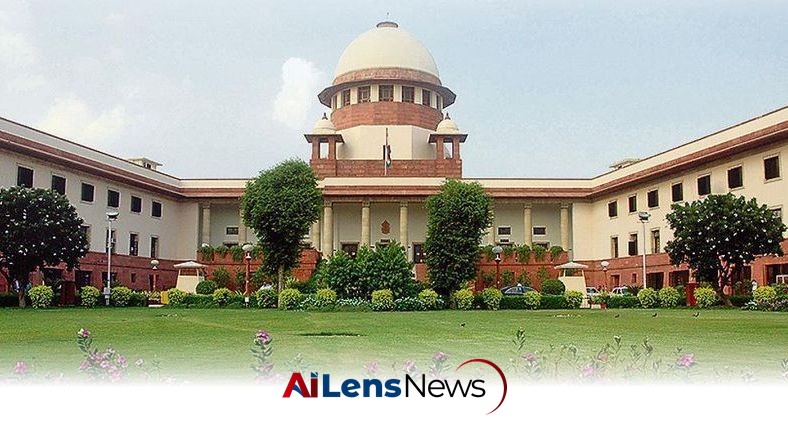


In a bid to address the backlog of cases, the Supreme Court has decided that petitioners must appear virtually rather than in person.
New Delhi, India Jul 16, 2026 ALN: The Supreme Court of India has implemented a new directive aimed at reducing the backlog of cases currently pending before it. With a staggering 96,038 cases awaiting resolution, the Full Court has decided that petitioners-in-person will no longer be allowed to appear physically in court. Instead, they will be required to attend hearings virtually. This significant policy change is part of a broader initiative to streamline court proceedings and manage the overwhelming number of cases effectively, reflecting the judiciary's ongoing efforts to modernize its operations.
This decision comes as part of a broader strategy to streamline court proceedings and manage the overwhelming number of cases effectively. The Supreme Court has identified approximately 100 bunch matters that will be prioritized in this new virtual format. These bunch matters typically involve similar legal questions or issues, allowing the court to address them collectively, thus saving time and resources. By focusing on these cases, the court aims to reduce the backlog more efficiently.
The shift to virtual appearances is primarily motivated by the need to expedite the judicial process. The Supreme Court has faced increasing pressure to clear its docket, and this move is seen as a necessary step to enhance efficiency. The backlog of cases has been a long-standing issue in the Indian judicial system, exacerbated by various factors including insufficient infrastructure, a shortage of judges, and, more recently, the disruptions caused by the COVID-19 pandemic. The pandemic highlighted the necessity for the judiciary to adapt to new technologies and methods of operation, leading to the adoption of virtual hearings as a temporary measure initially, which has now gained permanent status.
Moreover, the virtual format is expected to reduce logistical challenges associated with physical appearances, such as travel time and costs for petitioners, particularly those from remote areas. This can potentially democratize access to justice, allowing individuals who might otherwise face barriers to participate in legal proceedings more easily. The court has emphasized that this change is not only about efficiency but also about making the judicial process more accessible to all citizens.
For many petitioners, this change may pose challenges, particularly for those who are not technologically savvy or lack access to reliable internet services. Concerns have been raised about the digital divide in India, where a significant portion of the population still lacks access to the internet or modern communication devices. This disparity could disproportionately affect marginalized groups, including those in rural areas or lower socio-economic strata, potentially hindering their ability to seek justice.
To address these challenges, the Supreme Court has indicated that it will work on providing necessary support and resources to ensure that all petitioners can navigate the virtual hearing process. This may include outreach programs to educate individuals on how to use technology for legal proceedings, as well as partnerships with local organizations to facilitate access to necessary tools. The court believes that the benefits of reducing case pendency outweigh these potential drawbacks, but it remains to be seen how effectively these support measures will be implemented.
This directive marks a significant shift in how the Supreme Court conducts its business. It reflects a growing trend towards digitalization in the legal system, which has been accelerated by the COVID-19 pandemic. Virtual hearings have become more commonplace, and this latest decision underscores the court's commitment to adapting to modern technological advancements. The move towards virtual hearings aligns with global trends in judicial practices, where many jurisdictions have begun to embrace technology to enhance the efficiency and accessibility of their legal systems.
As the judiciary embraces this digital transformation, it also raises questions about the implications for the legal profession. Lawyers will need to adapt their practices to accommodate virtual appearances, which may involve rethinking how they prepare for cases and interact with clients. Additionally, the shift may lead to changes in courtroom decorum and procedures, as legal professionals become accustomed to presenting cases in a virtual environment.
Furthermore, the Supreme Court's decision may influence lower courts and tribunals, prompting them to consider similar measures to alleviate their own backlogs. If successful, this could lead to a nationwide shift in how legal proceedings are conducted, potentially creating a more uniform approach to virtual hearings across the Indian judiciary.
The Supreme Court's decision to mandate virtual appearances for petitioners is a bold step towards addressing the backlog of cases. As the legal landscape continues to evolve, it will be crucial for all stakeholders, including judges, lawyers, and petitioners, to adapt to these changes to ensure justice is served efficiently and effectively. The implications of this directive are far-reaching, potentially reshaping the future of legal proceedings in India. While challenges remain, particularly concerning access and technology, the court's commitment to modernization may ultimately enhance the overall efficiency and accessibility of the judicial system.
The issue of case backlogs in India is not new. Over the years, the judiciary has struggled with an increasing number of cases, which has led to delays in the administration of justice. The Supreme Court and various High Courts have been grappling with significant case pendencies, which have resulted in a growing public outcry for reforms. Factors contributing to this situation include the limited number of judges relative to the population and the complexity of legal procedures that often prolong the resolution of cases.
In response to these challenges, the judiciary has explored various measures to improve efficiency, including the introduction of alternative dispute resolution mechanisms, such as mediation and arbitration. However, the sheer volume of cases has necessitated more drastic measures, such as the current mandate for virtual hearings.
The COVID-19 pandemic acted as a catalyst for the adoption of technology in the judicial system. Prior to the pandemic, virtual hearings were relatively rare in India, but the need for social distancing and the closure of physical courtrooms forced the legal system to adapt quickly. This transition was facilitated by various technological platforms that allowed for remote hearings, enabling courts to continue functioning during the lockdowns. The success of these virtual hearings during the pandemic has paved the way for their continued use, as the judiciary recognizes the benefits of technology in enhancing access and efficiency.
As the Supreme Court moves forward with this directive, it is essential to consider the implications for the development of technology within the legal framework. The integration of technology in court proceedings could lead to innovations in case management, documentation, and communication, ultimately contributing to a more efficient judicial process.
While the transition to virtual hearings may offer numerous advantages, it is not without its challenges. Technical glitches, connectivity issues, and the need for adequate digital literacy among petitioners and lawyers are significant concerns that need to be addressed. Furthermore, ensuring the security and confidentiality of virtual hearings is paramount to maintaining the integrity of the judicial process. The court will need to implement robust measures to safeguard sensitive information and ensure that the rights of all parties involved are protected.
The Supreme Court's decision to mandate virtual appearances is a forward-thinking approach that reflects the changing dynamics of the legal landscape. As the judiciary embraces this digital transformation, it will be crucial for all stakeholders to collaborate and adapt to ensure that justice remains accessible and efficient. The potential benefits of this directive, including reduced case backlogs and enhanced access to justice, are significant, but they must be balanced against the challenges that lie ahead. With careful planning and implementation, the Indian judiciary can navigate this transition successfully, ultimately leading to a more equitable and effective legal system for all citizens.
To learn more about the latest developments in Politics, stay updated with our exclusive reports and analyses on AiLensNews.

