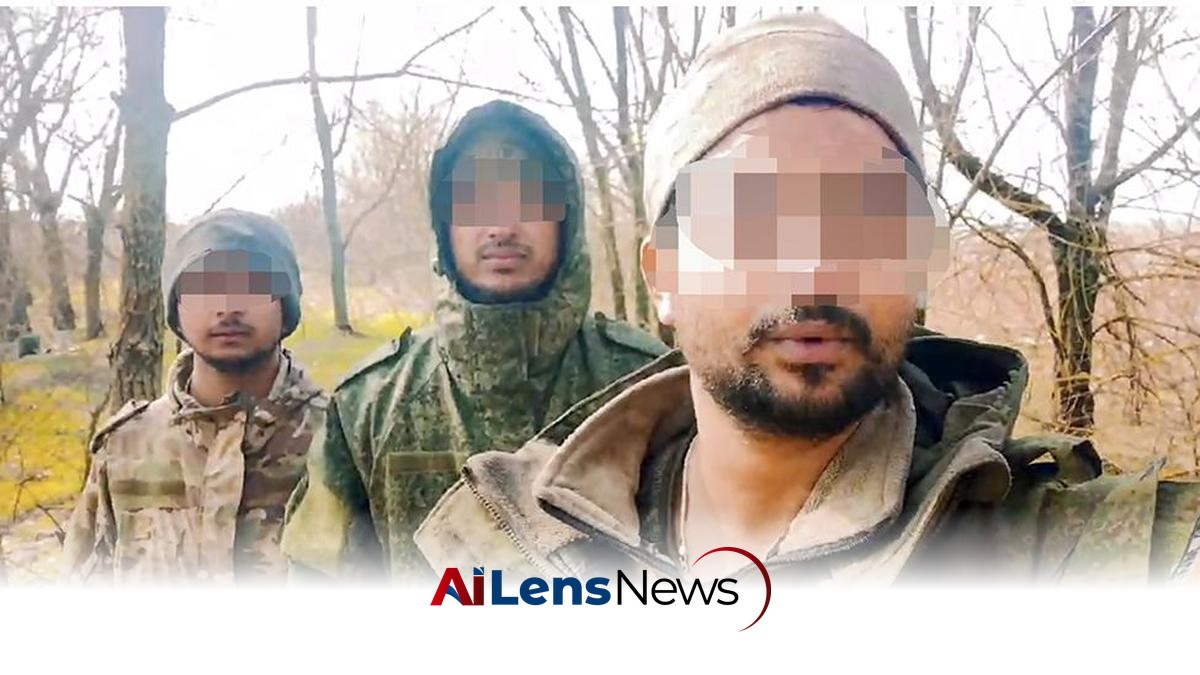


The Supreme Court has instructed the Ministry of External Affairs to assist families of Indians killed in the Russia-Ukraine war with DNA testing and compensation claims.
New Delhi, India Aug 1, 2026 ALN: The Supreme Court of India has taken significant steps to assist the families of Indians affected by the ongoing Russia-Ukraine conflict. On July 31, 2026, the court directed the Ministry of External Affairs (MEA) to appoint a nodal officer responsible for facilitating DNA testing of the mortal remains of Indians who lost their lives on the frontlines. This initiative aims to ensure that families can claim the remains for proper last rites.
A three-judge Bench, led by Chief Justice of India Surya Kant, emphasized the importance of timely communication, instructing the Ministry to inform the families about the appointed nodal officer once the position is filled. This directive not only facilitates the identification of the deceased but also serves to provide closure to grieving families who are in desperate need of answers regarding the fate of their loved ones.
The court's decision came in response to a petition filed by family members of individuals who allegedly died or went missing after being recruited to fight in the conflict. The petitioners claimed that these individuals were victims of illegal overseas recruitment, trafficking, and exploitation. Many were reportedly lured by promises of lucrative job opportunities, only to find themselves trapped in a war zone with their passports confiscated. This situation raises serious concerns about the vulnerability of individuals seeking employment abroad, particularly in conflict zones, and highlights the need for stricter regulations and oversight on overseas recruitment practices.
In its ruling, the Supreme Court mandated that comprehensive records be provided to families for filing compensation claims with Russian authorities. Families will be able to submit these claims through the Ministry of External Affairs. The court also noted that legal assistance should be made available to families for these filings, including DNA verification certificates and translated versions of any relevant Russian documents. This provision is crucial, as it acknowledges the complexities involved in navigating foreign legal systems and the potential language barriers that families may encounter.
Importantly, the court clarified that the process of filing compensation claims should not delay the return of the mortal remains or the performance of funeral rituals. This aspect of the ruling underscores the court's sensitivity to the cultural and emotional needs of the families, who may already be experiencing profound grief and trauma. The timely return of remains is essential for families to conduct last rites according to their traditions, providing them with a sense of closure and the opportunity to honor their loved ones.
During the proceedings, the Union government informed the court that approximately 220 Indians had joined the Russian Armed Forces amid the conflict, with 139 individuals having been released from their contractual obligations. Additional Solicitor General Aishwarya Bhati, representing the Centre, stated that the government successfully negotiated with Russian authorities for the discharge of Indian s. Out of the 51 Indians who died in the conflict, the remains of 29 have already been repatriated to India. This information highlights the ongoing diplomatic efforts by the Indian government to navigate the complexities of inter relations in the context of a war, while also ensuring the safety and rights of its citizens abroad.
The petitioners also stressed the urgent need to identify and prosecute illegal overseas recruitment networks that exploit vulnerable individuals with false promises of employment abroad. The issue of illegal recruitment is not new, and it raises broader questions about the responsibilities of governments in protecting their citizens from exploitation. The Supreme Court's ruling serves as a call to action for the Indian government to take proactive measures to dismantle these networks and provide better support and resources for individuals seeking employment overseas.
This ruling by the Supreme Court highlights the ongoing challenges faced by families of those affected by the Russia-Ukraine war and underscores the need for government intervention in ensuring justice and support for these individuals. The conflict has not only resulted in loss of life but has also exposed the vulnerabilities of individuals who are seeking better opportunities in foreign lands. As the war continues, the implications of this ruling may extend beyond immediate legal and logistical concerns, prompting a reevaluation of how countries manage overseas employment and protect their citizens in conflict zones.
Furthermore, the court's decision reflects a growing recognition of the need for comprehensive policies that address the root causes of illegal recruitment and trafficking. By taking a stand on this issue, the Supreme Court is not only providing immediate relief to affected families but is also contributing to a broader dialogue about the responsibilities of governments in safeguarding their citizens against exploitation and abuse.
The ramifications of the Supreme Court's directives may also prompt other nations, particularly those with significant populations seeking employment abroad, to reassess their own policies regarding overseas recruitment and the protection of their citizens in conflict zones. This could lead to increased inter cooperation in combating human trafficking and illegal recruitment practices, as countries recognize the shared responsibility in protecting vulnerable populations.
In conclusion, the Supreme Court's directive to the Ministry of External Affairs represents a critical step towards addressing the challenges faced by families of Indians affected by the Russia-Ukraine conflict. It highlights the need for effective communication, legal support, and timely action in the face of tragedy. As the situation evolves, the implications of this ruling will likely resonate beyond the immediate context, prompting necessary discussions about the protection of citizens in an increasingly interconnected world. The court's ruling serves not only as a legal framework for addressing the immediate concerns of families but also as a catalyst for broader reforms aimed at preventing future exploitation and ensuring the safety of individuals seeking opportunities abroad.
To learn more about the latest developments in Crime & Law, stay updated with our exclusive reports and analyses on AiLensNews.

