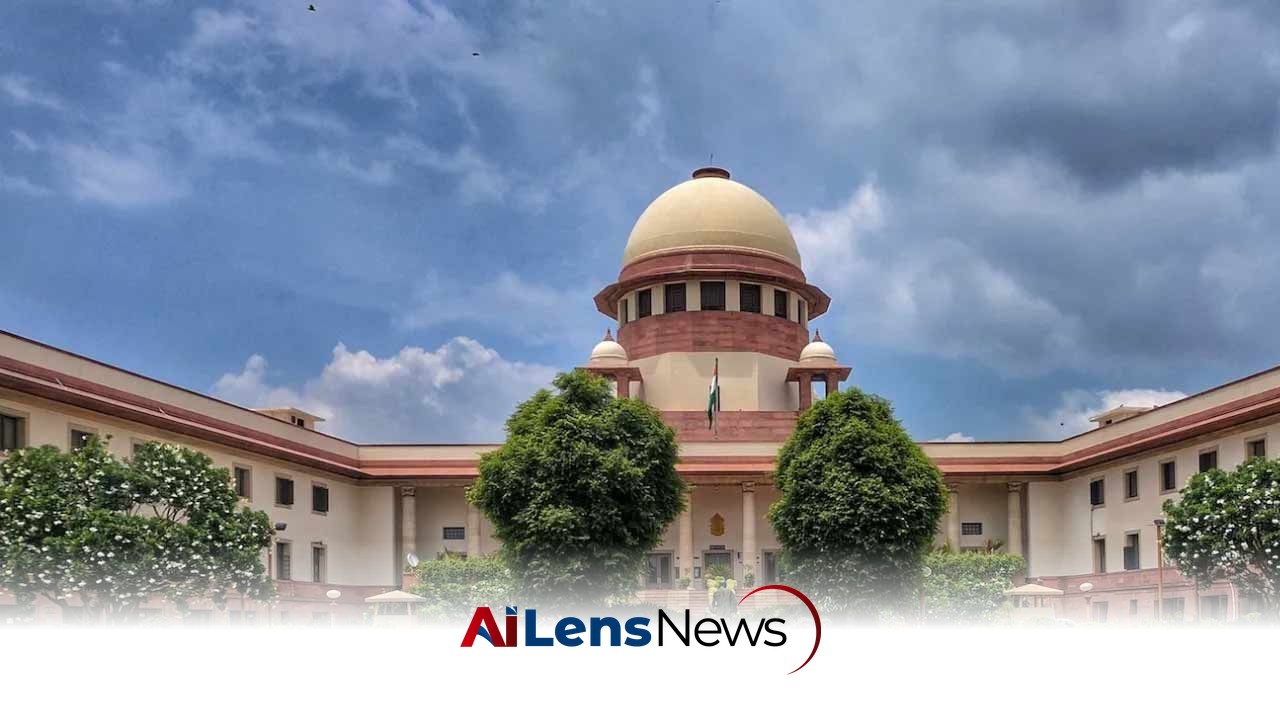


The Supreme Court has declined an urgent plea regarding alleged police brutality during a protest led by the Cockroach Janta Party in Delhi, dismissing video evidence at the mentioning stage.
New Delhi, India Jul 22, 2026 ALN: New Delhi: The Supreme Court on Wednesday declined a request for urgent listing of a plea challenging the police action against students during the Cockroach Janta Party-led protest march in Delhi. This decision has raised concerns regarding the treatment of protesters and the broader implications for civil liberties in India.
The matter was mentioned before a bench comprising Chief Justice of India (CJI) Surya Kant and Justices Joymalya Bagchi and V Mohana. The request for an urgent hearing was made by a lawyer representing the students, who claimed that police brutality had occurred during the protest. The lawyer asserted that he had video evidence to support these claims and urged the court to consider the matter promptly, stating, "If it can be listed tomorrow (Thursday)… students are there.”
The protest in question was organized by the Cockroach Janta Party (CJP) as part of a larger movement to demand accountability from the government regarding examination irregularities. These irregularities have been a point of contention among students, leading to widespread dissatisfaction and calls for reform in the education sector. The CJP has positioned itself as a critical voice for students, advocating for their rights and drawing attention to issues that affect their educational experiences.
During the protest, which coincided with the opening day of the Monsoon session of Parliament, thousands of students and young activists gathered in the heart of Delhi. Their demands centered around the resignation of Union Education Minister Dharmendra Pradhan, who has faced criticism for his handling of educational policies and examination processes. The atmosphere was charged, with many participants expressing their frustration over perceived government inaction and lack of transparency.
However, the protest quickly escalated into clashes between the protesters and security personnel. Eyewitness accounts and reports indicate that police employed lathis (batons) and tear gas to disperse crowds attempting to advance towards Parliament. This use of force has sparked debates about the appropriateness of police responses to peaceful protests and the balance between maintaining public order and respecting the right to assemble.
In response to the lawyer's claims regarding police brutality, CJI Surya Kant expressed the court's reluctance to engage with video evidence at the initial stage of the proceedings. He stated, “We are not interested in videos, we don’t have time to watch… We don’t want to watch videos.” This response has been interpreted by some as indicative of the court's cautious approach to handling cases related to civil liberties and public dissent.
When the counsel reiterated concerns about the treatment of students, the CJI admonished him, saying, “Don’t waste our time. We don’t want to watch any videos.” This exchange highlights the tension between the judiciary's procedural priorities and the urgent concerns raised by citizens regarding state actions during protests.
The refusal to expedite the hearing on this plea has broader implications for the rights of protesters in India. It raises questions about the judiciary's role in safeguarding civil liberties, especially in contexts where state action may infringe upon the right to peaceful assembly. The incident also underscores the ongoing struggle between governmental authority and citizen rights, particularly in a democratic framework where dissent is a fundamental aspect of political expression.
Historically, India has witnessed various movements where students and young people have taken to the streets to voice their concerns. From the anti-corruption protests in 2011 to the more recent farmer protests, these movements reflect a growing discontent with governmental policies and a demand for accountability. The response of law enforcement during such protests has often been scrutinized, with calls for reforms to ensure that the rights of protesters are upheld while maintaining public order.
The Cockroach Janta Party and similar organizations play a critical role in mobilizing youth and addressing issues that resonate with their constituencies. The challenges faced by these groups in advocating for change, particularly in the face of aggressive policing tactics, are emblematic of the broader struggle for democratic freedoms in India. The CJP's protest is not just a response to specific grievances but also a reflection of a larger movement advocating for systemic change within the educational framework and beyond.
As the Monsoon session of Parliament progresses, the implications of this protest and the police response will likely continue to be a focal point of discussion among lawmakers, civil society, and the general public. The treatment of students and young activists during protests will remain a critical issue, with many advocating for a more humane and rights-respecting approach to law enforcement. The Supreme Court's decision not to prioritize this case may serve as a catalyst for further debate on the judiciary's role in protecting citizens' rights against potential state overreach.
In conclusion, the Supreme Court's refusal to hear the plea regarding police action during the CJP protest highlights significant tensions in contemporary India regarding civil liberties, state authority, and the role of the judiciary. As protests continue to emerge in response to various social and political issues, the need for a balanced approach that respects the right to dissent while ensuring public safety remains paramount. The outcome of this situation may influence future protests and the legal frameworks surrounding them, shaping the landscape of civil rights in India for years to come.
In the context of civil liberties, the Supreme Court's decision to not grant an urgent hearing reflects a broader trend in which the judiciary may appear hesitant to intervene in matters involving state action against citizens. This reticence can be interpreted in various ways, including a desire to maintain judicial independence and avoid overreach into political matters. However, it also raises concerns about the judiciary's commitment to upholding constitutional rights, particularly in volatile situations where the state may act disproportionately against dissenting voices.
The implications of the Supreme Court's decision extend beyond this specific incident, as it may deter other groups from mobilizing for fear of similar treatment. The chilling effect on protests can diminish the vibrancy of democratic discourse in the country, as citizens may feel less empowered to express their grievances publicly. This situation emphasizes the need for a robust dialogue around the rights of citizens to assemble peacefully and the responsibilities of law enforcement to protect those rights rather than suppress them.
Furthermore, the incident serves as a reminder of the importance of accountability within law enforcement agencies. Calls for police reform have been echoed by various human rights organizations and civil society groups, advocating for mechanisms that ensure transparency and accountability in police actions during protests. Such reforms could include independent oversight bodies to investigate claims of police brutality and ensure that the rights of protesters are protected, aligning with international human rights standards.
As the discourse around the treatment of protesters continues, it is essential for stakeholders, including the government, judiciary, and civil society, to engage in constructive dialogue aimed at safeguarding democratic freedoms. The ability of citizens to express dissent is a cornerstone of democracy, and any erosion of this right can have far-reaching consequences for the political landscape in India.
In light of these developments, the role of organizations like the Cockroach Janta Party becomes increasingly significant. Their efforts to mobilize students and advocate for educational reforms highlight the intersection of youth activism and political accountability. As young people increasingly engage with civic issues, their demands for transparency and justice will likely shape the future of political discourse in the country.
Ultimately, the Supreme Court's decision not to prioritize the plea regarding police action during the protest raises critical questions about the balance between state authority and individual rights. As India navigates the complexities of governance, the ongoing dialogue surrounding civil liberties and the right to protest will remain crucial in defining the nation’s democratic ethos.
To learn more about the latest developments in Crime & Law, stay updated with our exclusive reports and analyses on AiLensNews.

