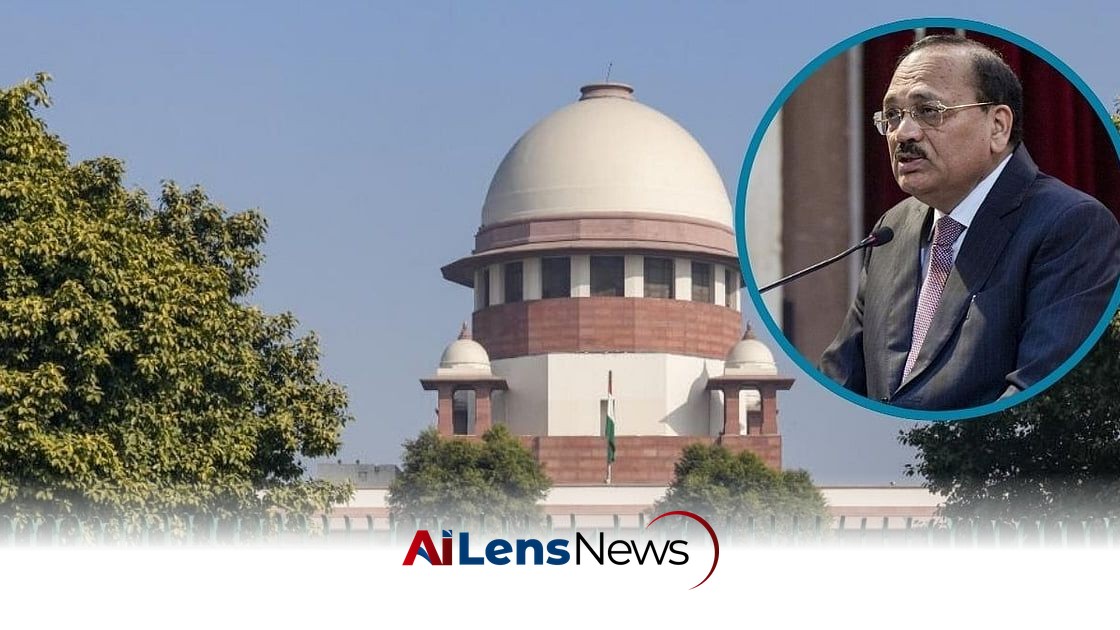



The Supreme Court of India rebukes the Bar Council's directive against NALSAR graduates, emphasizing the importance of dialogue between students and the judiciary.
New Delhi, India Aug 14, 2026 ALN: The recent developments surrounding the Bar Council of India (BCI) and NALSAR University of Law have sparked significant discourse in legal and academic circles. On Friday, the Supreme Court of India expressed strong disapproval of the BCI's directive that barred the enrolment of graduates from NALSAR University of Law, specifically those graduating in 2026, as advocates until further notice. This order was issued amidst allegations concerning a protest against Chief Justice of India Surya Kant's participation in the university's convocation.
The Supreme Court, led by Chief Justice Surya Kant, characterized the BCI's actions as 'uncalled for,' emphasizing that the relationship between students and the judiciary should not be hindered by the Bar Council's interference. CJI Surya Kant articulated that the students' right to protest is a fundamental aspect of their engagement with the judicial system and that the BCI's role in this context was unwarranted. His remarks highlighted the importance of dialogue between students and the judiciary, reinforcing the notion that students should not be penalized for expressing their views.
The BCI's initial order was prompted by concerns regarding a campaign that allegedly sought to undermine the Chief Justice’s authority during the convocation ceremony. In a statement released by BCI chairperson Manan Kumar Mishra, it was noted that the council was investigating the circumstances surrounding the protest and aimed to identify individuals responsible for the alleged misconduct. The BCI indicated that a comprehensive report would be compiled, and a final decision regarding the enrolment ban would be made on August 19.
However, the situation escalated rapidly as the initial directive drew considerable backlash on social media platforms. Critics argued that the blanket ban on all 2026 graduates was an overreach that unfairly punished the entire student body for the actions of a few. This sentiment resonated widely, leading to calls for the BCI to reconsider its stance. In response to the public outcry, the BCI modified its earlier order, allowing state bar councils to proceed with the enrolment of NALSAR's 2026 graduates as advocates.
The revised notification from the BCI acknowledged that the "vast majority" of students were innocent and should not be made to suffer due to the alleged actions of a minority. This adjustment reflects the BCI's recognition of the potential implications of their initial directive, not only for the affected students but also for the broader legal community. The decision to modify the order was made following extensive discussions among BCI members, who unanimously agreed that the initial response was disproportionate.
This incident raises broader questions about the role of regulatory bodies like the BCI in the academic and professional lives of law students. The BCI, as the apex statutory body for lawyers in India, is tasked with ensuring the integrity and standards within the legal profession. However, its recent actions have sparked a debate about the extent to which it should intervene in academic matters, particularly those involving student expression and protest.
Furthermore, the implications of this incident extend beyond NALSAR University. The relationship between legal education institutions and the Bar Council is critical, as it shapes the future of legal practitioners in India. The autonomy of universities to foster an environment conducive to free speech and critical thinking is essential for the development of competent legal professionals. Any perceived encroachment by the BCI could set a concerning precedent, potentially stifling student voices and limiting their ability to engage with pressing legal and social issues.
The Supreme Court's intervention in this matter underscores the judiciary's commitment to upholding the rights of students and ensuring that their voices are heard. It serves as a reminder of the importance of maintaining a balance between regulatory oversight and the need for academic freedom. As future lawyers, students must be encouraged to engage in dialogue, express dissent, and participate in discussions about the legal system, which ultimately shapes the society in which they will practice.
In conclusion, while the BCI's actions were initially met with significant backlash, the subsequent modification of its directive reflects a willingness to listen to public sentiment and reconsider its stance. The Supreme Court's criticism of the BCI highlights the judiciary's role in safeguarding the rights of students and maintaining the integrity of legal education in India. As this situation continues to unfold, it will be essential for all stakeholders, including the BCI, universities, and students, to engage in constructive dialogue to foster a legal environment that supports both professional standards and the fundamental rights of individuals.
To provide further context, the Bar Council of India was established under the Advocates Act, 1961, and plays a crucial role in regulating the legal profession in India. It is responsible for setting standards for legal education, granting licenses to practice law, and ensuring the welfare of advocates. The BCI's authority is significant, but its actions must be balanced against the need for academic freedom and the rights of students to express their opinions.
Legal education in India has been evolving, with institutions like NALSAR University of Law leading the way in fostering a critical and dynamic learning environment. NALSAR, established in 1998, is known for its innovative curriculum and emphasis on interdisciplinary studies, which encourages students to think critically about the law and its impact on society. The university has produced many successful legal professionals who have made significant contributions to various fields, including academia, public service, and corporate law.
The incident involving the protest against Chief Justice Surya Kant highlights a broader trend of increasing student activism within legal education. Students are becoming more vocal about issues that affect them and the legal system at large, reflecting a growing awareness of their rights and responsibilities as future practitioners. This activism is crucial in a democratic society, as it fosters a culture of accountability and encourages dialogue between the judiciary and the legal community.
In light of this incident, it is essential for the BCI to re-evaluate its approach to student protests and expressions of dissent. A more nuanced understanding of the role of student activism in legal education could lead to policies that support rather than hinder the development of future legal professionals. By fostering an environment that encourages critical thinking and open dialogue, the BCI can contribute to the cultivation of a legal community that is not only competent but also socially aware and responsive to the needs of society.
Moreover, the implications of this incident extend to the relationship between the judiciary and the legal profession. The Supreme Court's intervention signals a recognition of the importance of protecting the rights of students and ensuring that their voices are not silenced by regulatory bodies. This relationship is vital for the health of the legal system, as it ensures that the judiciary remains connected to the realities of legal education and the challenges faced by aspiring lawyers.
As discussions continue around the BCI's directive and the Supreme Court's response, it will be crucial for all stakeholders to engage in meaningful dialogue. The legal community must come together to address the underlying issues that led to this incident, including the need for greater transparency and accountability within regulatory bodies. By doing so, they can work towards creating a more inclusive and supportive environment for future legal practitioners, one that values diverse perspectives and encourages active participation in the democratic process.
In summary, the Supreme Court's criticism of the Bar Council's order against NALSAR students serves as a pivotal moment in the ongoing discourse surrounding legal education and student rights in India. It highlights the need for a balanced approach that respects the autonomy of academic institutions while ensuring the integrity of the legal profession. As this situation unfolds, it will be vital for all parties involved to work collaboratively to foster an environment that supports both professional standards and the fundamental rights of individuals, ultimately contributing to a more just and equitable society.
To learn more about the latest developments in Crime & Law, stay updated with our exclusive reports and analyses on AILensNews.

