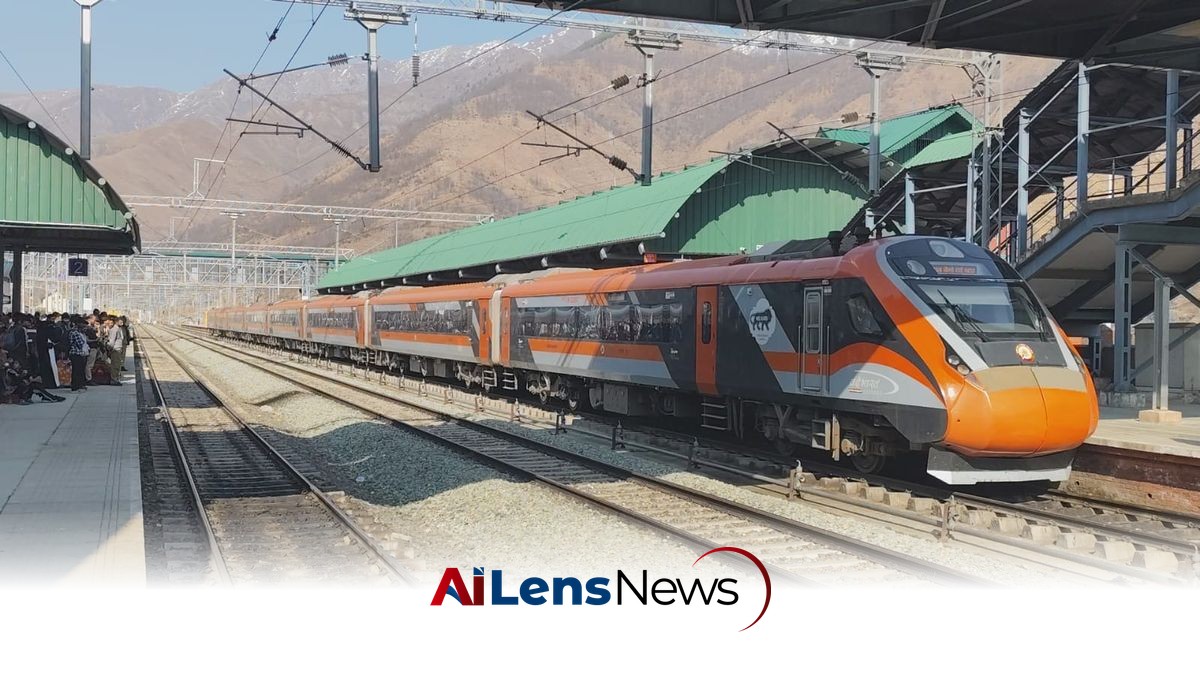


A special train was launched to assist over 600 tourists stranded in Kashmir due to heavy rainfall affecting highway traffic.
New Delhi, India Jul 23, 2026 ALN: The northern railway on Thursday operated a special train from Srinagar to Katra to facilitate the movement of more than 600 tourists and other passengers stranded in the Kashmir Valley due to slow traffic on the Jammu-Srinagar National Highway following heavy rainfall.
This initiative comes in the wake of severe weather conditions that have plagued the region, leading to significant disruptions in road transport. Heavy rains have been a recurring issue in the Jammu and Kashmir region, particularly during the monsoon season, which typically lasts from June to September. The impact of these rains can be profound, often resulting in landslides, road blockages, and a general slowdown of traffic, which has been the case recently on the Jammu-Srinagar National Highway, a crucial link connecting the Kashmir Valley with the rest of India.
The special train was operated by the Jammu Division on the directions of Senior Divisional Commercial Manager Uchit Singhal to ensure safe and comfortable travel for stranded passengers, officials said. This decision underscores the railway's commitment to passenger welfare, particularly in times of crisis. The Jammu Division has a history of responding swiftly to emergencies, often deploying additional trains or services to assist passengers affected by unforeseen circumstances.
The train departed from Srinagar railway station at 5.10 pm, halted at Banihal en route, and was scheduled to reach Shri Mata Vaishno Devi Katra at 8.15 pm, they said. The route taken by the train not only serves the immediate need of transporting stranded passengers but also highlights the importance of Katra as a pilgrimage destination, home to the revered Vaishno Devi temple. This temple attracts millions of pilgrims each year, and ensuring access to Katra is vital for the local economy and tourism sector.
Railway officials said the special service was introduced as an immediate measure to provide relief to passengers affected by disruptions on the highway and enable them to catch onward train connections from Katra and Jammu Tawi. The introduction of this special train is a part of a broader strategy employed by the Indian Railways to enhance connectivity and provide timely solutions during emergencies. The railway network has been increasingly viewed as a reliable alternative to road transport, especially in regions prone to natural calamities.
Singhal said passenger safety and convenience remained the division's top priority, and the decision to operate the special train was taken promptly in view of the adverse weather conditions and slow road traffic. This proactive approach is essential in maintaining trust and reliability in public transport systems, particularly in areas where road conditions can be unpredictable. The railway's ability to adapt and respond to changing circumstances is crucial for maintaining operational efficiency and ensuring that passengers have access to safe travel options.
He advised passengers to check the latest train status through the NTES mobile application, the IRCTC website, or the Railway helpline 139 before commencing their journey. This recommendation is part of a broader effort by the Indian Railways to leverage technology to improve the travel experience for passengers. By encouraging the use of digital tools for real-time information, the railways aim to reduce uncertainty and help passengers make informed decisions regarding their travel plans.
Officials said the Jammu Division has been operating special trains from time to time to ensure better connectivity and minimize inconvenience to passengers during emergencies and adverse weather conditions. This practice has proven effective in the past, particularly during the winter months when snowfall can lead to road closures and travel disruptions. The railway's flexibility in scheduling special services reflects its commitment to serving the public and addressing the unique challenges posed by the region's geography and climate.
The operation of this special train not only alleviates the immediate concerns of stranded passengers but also serves as a reminder of the broader challenges faced by the transportation infrastructure in Jammu and Kashmir. The region's mountainous terrain and susceptibility to natural disasters necessitate ongoing investment in both road and rail infrastructure to ensure reliable connectivity. The Indian government has recognized these challenges and has made significant investments in improving transport links in the region, including expanding railway networks and upgrading road conditions.
In conclusion, the operation of the special train from Srinagar to Katra is a vital response to the challenges posed by adverse weather conditions. It reflects the Indian Railways' commitment to passenger safety and convenience while highlighting the importance of reliable transport infrastructure in supporting tourism and economic activity in the Kashmir Valley. As weather patterns continue to change and the frequency of extreme weather events increases, the adaptability of transportation systems will be crucial in ensuring the safety and mobility of residents and visitors alike.
The Kashmir Valley, known for its stunning landscapes and rich cultural heritage, has long been a popular destination for both domestic and international tourists. However, the region's unique geographical features, including its mountainous terrain and proximity to the Himalayas, make it particularly vulnerable to natural disasters such as landslides, floods, and heavy snowfall. These challenges are exacerbated during the monsoon season, where heavy rainfall can lead to significant disruptions in both road and rail transport.
The Jammu-Srinagar National Highway, which serves as the primary route connecting the Kashmir Valley to the rest of India, is often affected by weather-related incidents. Landslides and road blockages can occur with little warning, leaving travelers stranded and in need of alternative transportation options. The operation of special trains, such as the one from Srinagar to Katra, is a crucial part of the Indian Railways' strategy to provide reliable transport solutions during these emergencies.
The special train service is not just about transportation; it also plays a vital role in the local economy. Katra, being a major pilgrimage site, attracts millions of visitors each year, contributing significantly to the region's tourism sector. The ability to maintain access to Katra during adverse weather conditions is essential for the livelihood of many local businesses that rely on the influx of tourists. Hotels, restaurants, and shops in the area benefit from the steady flow of pilgrims, and disruptions in transport can have a ripple effect on the local economy.
Moreover, the Indian Railways has been making strides in improving its infrastructure and services to better serve passengers in challenging regions. Investments in railway tracks, signaling systems, and station facilities are part of a broader initiative to enhance the overall travel experience. The introduction of modern trains, improved scheduling, and real-time tracking systems are all efforts aimed at making train travel a more attractive option compared to road transport.
In light of the ongoing climate changes and the increasing frequency of extreme weather events, the Indian Railways is also focusing on sustainability and resilience. Initiatives to strengthen rail infrastructure against natural disasters, coupled with the use of technology for better monitoring and response, are critical components of this strategy. By investing in both short-term solutions, such as special trains during emergencies, and long-term infrastructure improvements, the railways aim to create a more robust transportation network that can withstand the challenges posed by nature.
In summary, the operation of the special train from Srinagar to Katra is a multifaceted response to the pressing challenges of transportation in Jammu and Kashmir. It not only addresses the immediate needs of stranded passengers but also highlights the importance of maintaining reliable transport links for the region's economic stability and tourism sector. The ongoing efforts by the Indian Railways to adapt and improve in the face of natural challenges will be crucial for ensuring the safety and mobility of both residents and visitors in the years to come.
To learn more about the latest developments in Transport & Mobility, stay updated with our exclusive reports and analyses on AiLensNews.

