

Sonam Wangchuk agrees to end his fast if political leaders commit to addressing education accountability in Parliament. Delhi Police impose restrictions on protests.
New Delhi, India Jul 19, 2026 ALN: New Delhi: A day after he was ‘forcibly’ shifted to Safdarjung Hospital, Sonam Wangchuk has agreed to end his three-week fast if two of his conditions are fulfilled. Wangchuk, a prominent education reformer and environmentalist, has been at the forefront of protests against the NEET (National Eligibility cum Entrance Test) paper leak scandal, which has raised serious questions about the integrity of the examination process in India.
Addressing protesters at Jantar Mantar on Sunday night, where the Cockroach Janta Party (CJP) has been spearheading a movement against the NEET paper leak scandal, Wangchuk’s wife Gitanjali Angmo said he has conveyed that he would end his fast provided there is a commitment from political parties to take up the issue in Parliament. This development highlights the increasing pressure on political leaders to address educational accountability and integrity in the examination system, which has been a contentious issue in India.
“If political leaders meet Sonam at the hospital and assure him that they will raise the issue of education accountability during the Monsoon Session, he will end his hunger strike tomorrow,” Gitanjali said. The call for accountability comes in the wake of several allegations regarding the NEET-UG exam, including claims of question paper leaks and irregularities that have undermined the credibility of the examination process.
Wangchuk, who was declined permission by the Delhi High Court to be moved from the government hospital to a private facility, had been demanding Union Education Minister Dharmendra Pradhan’s resignation over the NEET-UG question paper leak and irregularities in other exams. His demands reflect a broader discontent among students and parents regarding the perceived lack of transparency and fairness in the examination system, which is crucial for students aspiring to pursue medical education in India.
Despite his deteriorating health condition, Wangchuk had earlier vowed to join the Cockroach Janta Party’s (CJP) call for a march to Parliament on Monday, the opening day of the Monsoon session. The CJP, a political movement that has gained traction among students and activists, is advocating for systemic reforms in the education sector, particularly focusing on ensuring that examination processes are free from corruption and malpractice.
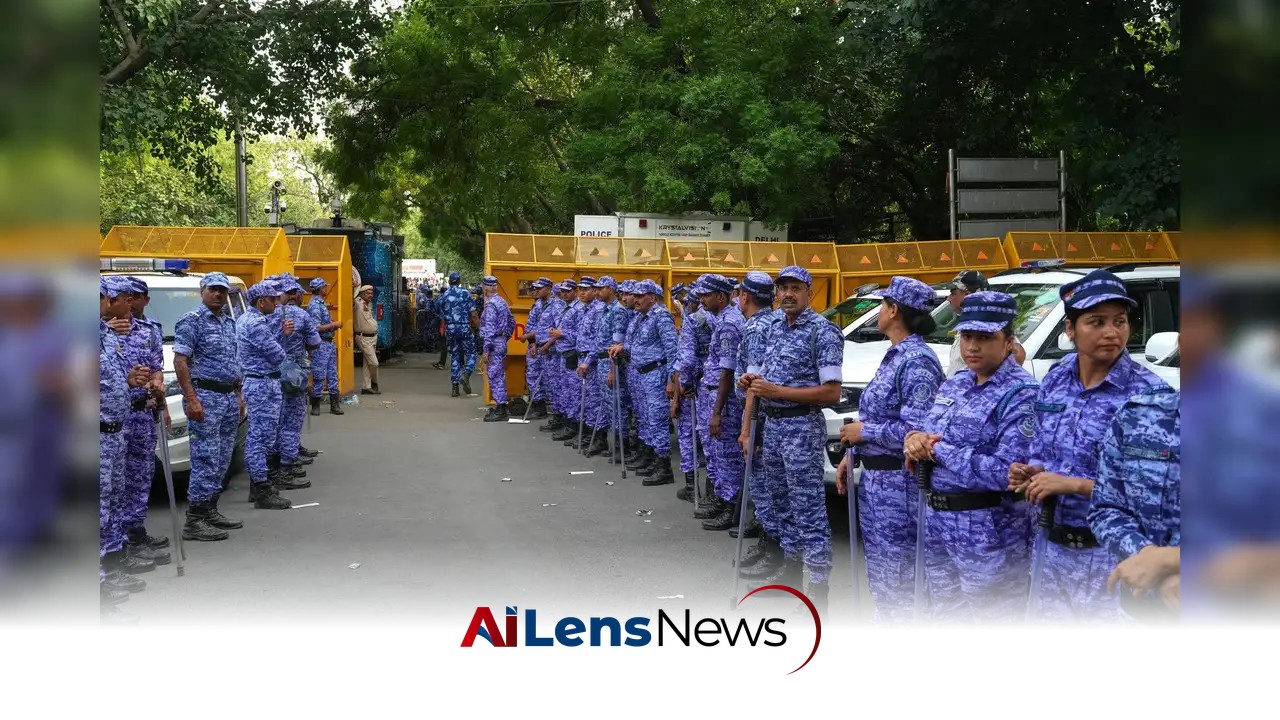
However, the Delhi Police has made it clear that the march won’t be permitted. Calling the protest at Jantar Mantar “illegal,” Delhi Police warned of action if demonstrators attempt to proceed towards Parliament. This response from law enforcement raises questions about the right to protest and the balance between maintaining public order and allowing citizens to voice their grievances.
Police announced that Section 163 of the BNSS (Delhi Police Act) has been clamped in New Delhi, which prohibits assembly or gathering of five or more persons. “Prohibitory orders u/s 163 BNSS are in force in New Delhi District except designated protest site at Jantar Mantar Road. Further, no permission has been sought or granted for any proposed march to Parliament on 20 July 2026. Citizens are advised not to participate in any unauthorized gathering or procession. Please respect the prohibitory orders in force and cooperate with Delhi Police in maintaining public peace, safety and security,” Delhi Police stated.
The NEET scandal has drawn significant media attention and has prompted discussions about the broader implications of corruption in educational institutions. NEET is a highly competitive exam that determines admission to medical colleges across India, and any irregularities in its conduct can have far-reaching consequences on students' careers and the healthcare system as a whole.
In recent years, there have been multiple instances of examination-related scandals, which have led to calls for comprehensive reforms in the education sector. Critics argue that the current system is fraught with loopholes that allow for corruption and malpractice, undermining the meritocratic principles that should govern educational admissions.
Wangchuk's fast and the subsequent protests reflect a growing discontent among students and parents who are demanding accountability and transparency in the education system. Many are calling for an overhaul of the examination processes to ensure that they are fair and equitable, allowing all students an equal opportunity to succeed based on their abilities.
The implications of this ongoing situation extend beyond the immediate demands for action regarding the NEET scandal. It raises fundamental questions about the role of government in regulating educational institutions and ensuring that they operate with integrity. As protests continue, the pressure on political leaders to address these issues is likely to intensify, particularly as the Monsoon Session of Parliament approaches.
In conclusion, Sonam Wangchuk's decision to end his fast contingent upon political commitments to address educational accountability highlights the urgent need for reform in India's examination processes. The protests led by the Cockroach Janta Party signify a broader movement advocating for change in the education sector, reflecting widespread concerns about corruption and fairness in academic admissions. As the situation develops, it will be crucial to monitor how political leaders respond to these demands and what actions are taken to restore public trust in the educational system.
In light of the NEET scandal, it is essential to understand the broader context of educational reforms in India. The NEET exam, introduced in 2016, aimed to standardize the admission process for medical colleges across the country. However, the integrity of this examination has been repeatedly called into question due to various allegations, including cheating, paper leaks, and favoritism. Such issues not only jeopardize the academic futures of countless students but also threaten the quality of healthcare professionals being trained in India.
Moreover, the protests led by Wangchuk and the CJP resonate with a wider sentiment among the youth in India, who are increasingly frustrated with systemic corruption and lack of accountability in various sectors, including education. The fact that a prominent figure like Wangchuk has taken such a drastic step as a hunger strike underscores the urgency of these issues and the desperation felt by many who see education as a pathway to a better future.
As the debate surrounding the NEET paper leak continues, it is crucial for policymakers to engage with stakeholders, including students, educators, and civil society organizations, to develop a comprehensive approach to reforming the examination system. This could involve enhancing transparency, implementing stricter regulations, and ensuring that there are robust mechanisms for accountability.
Furthermore, the situation raises critical questions about the role of technology in examinations. With the increasing use of digital platforms for testing, there is a pressing need to safeguard these systems against potential breaches and ensure that they are secure and reliable. This would not only help in restoring public trust but also in creating a fairer testing environment for all candidates.
In summary, the ongoing protests against the NEET scandal, led by figures like Sonam Wangchuk, reflect a larger movement for accountability and integrity in India's education system. As the Monsoon Session of Parliament approaches, the demands for reform are likely to gain more traction, and it will be essential for political leaders to respond effectively to the concerns raised by students and the public at large. The implications of these events may shape the future of educational policies in India, influencing how examinations are conducted and how students are treated within the system.
To learn more about the latest developments in Politics, stay updated with our exclusive reports and analyses on AiLensNews.

