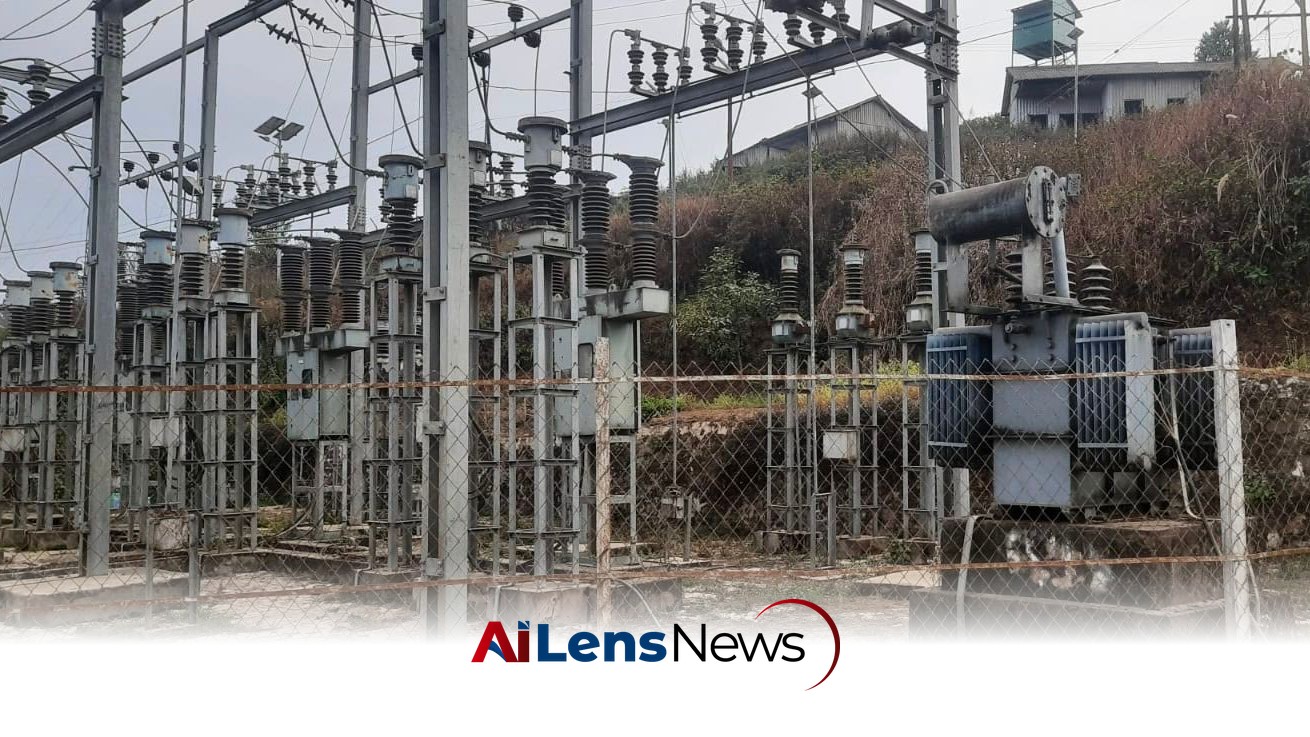


Ukhrul Town grapples with ongoing electricity crises during monsoon seasons, raising concerns over infrastructure and response times.
Gangtok, India Jul 17, 2026 ALN: Ukhrul: As climate variability, including the effects of El Niño, continues to intensify extreme weather and make monsoon conditions unpredictable, Ukhrul Town is once again facing prolonged power outages. Every spell of rain exposes the fragility of the district’s ageing power infrastructure, disrupting hospitals, schools, businesses, government offices, and daily life.
For many residents, the monsoon has become synonymous with darkness, raising a pressing question: Why does Ukhrul continue to suffer the same electricity crisis year after year while lasting solutions remain elusive? The annual monsoon season, which typically brings heavy rainfall, has increasingly become a source of anxiety for the residents of Ukhrul, as they grapple with the consequences of inadequate power supply during critical periods.
According to officials familiar with the electricity network, the problem lies not only in the challenging terrain but also in an ageing transmission system, inadequate infrastructure, and a severe shortage of technical manpower. The combination of these factors creates a perfect storm, leading to frequent and extended outages that disrupt everyday life.
Ukhrul Town depends on a 33 kV transmission line running from Hundung to the Ukhrul Khunjao 33/11 kV Substation and onward to the Tolloi, Namrei, and Jessami Substations. This line stretches for more than 100 kilometres through difficult terrain. The geographical challenges, including steep hills and narrow roads, complicate maintenance efforts and increase the likelihood of faults occurring along the line. This means that a fault occurring anywhere along the line can interrupt the electricity supply to Ukhrul Town and the entire district.
Officials say that upgrading the relay protection systems at the Tolloi and Namrei Substations could significantly reduce unnecessary outages by isolating faults more effectively. Despite being described as a technically feasible measure, the upgrade has yet to be implemented. This delay raises concerns about the prioritization of infrastructure improvements, especially in a region where reliable electricity is crucial for sustaining economic activities and essential services.
Another major concern is the absence of an operational MSPCL (Manipur State Power Company Limited) office in either Ukhrul or Kamjong. This lack of local presence means that whenever major faults occur, technical teams must travel from Imphal before repairs can begin. During monsoon, landslides, blocked roads, and adverse weather often delay their arrival, extending outages far beyond consumers’ expectations. The logistical challenges faced by repair teams highlight the need for a more localized approach to managing the power supply and ensuring prompt responses to outages.
Residents say the result is a pattern of repeated interruptions with restoration taking much longer than expected. The manpower situation within MSPDCL’s Ukhrul Division highlights another challenge. Departmental figures indicate that 102 Assistant Linesman posts are sanctioned, but only 2 personnel are available; all 34 sanctioned Linesman posts are reportedly vacant; and routine maintenance and emergency work are largely carried out by a small team of daily wage workers. The scarcity of skilled personnel severely hampers the division's ability to respond to outages and conduct necessary maintenance.
These personnel are responsible for maintaining an extensive network stretching roughly 50 kilometres west of Ukhrul Headquarters and about 130 kilometres to the north. Power experts note that such staffing levels make preventive maintenance and rapid restoration difficult, particularly during the monsoon when faults become more frequent. The lack of adequate staffing not only affects the speed of repairs but also raises concerns about the overall safety and reliability of the power infrastructure.
Officials have proposed several measures that they believe would substantially improve the reliability of electricity supply. These include upgrading the existing 3.15 MVA transformer at the Hundung 33/11 kV Substation to 2 × 10 MVA with associated equipment; transferring the 11 kV Phalang Feeder from Hundung to the Phungyar 33/11 kV Substation so that Hundung can primarily serve Ukhrul Town; and recruiting at least 50 Junior Technician Assistants on a daily wage basis to strengthen maintenance and emergency response. Such proposals, if implemented, could alleviate some of the pressures faced by the existing workforce and improve the overall efficiency of the power supply system.
It may be noted that in a division, Imphal has 24/7 service with over 80 daily wage staff catering to an area of less than 10 square kilometres. This stark contrast illustrates the disparity in resource allocation and support for different regions within the state. Many residents have expressed frustration over the lack of attention given to Ukhrul, particularly during the monsoon when the need for reliable power is most acute.
A longer-term proposal is the establishment of a dedicated 33/11 kV Substation at Kaziphung, Hungpung for Ukhrul Town. According to officials, the local authority is willing to provide land for the project. However, the timeline for such developments remains uncertain, and residents are left to wonder when or if these plans will materialize.
Residents say the repeated outages are affecting every aspect of daily life. Educational institutions struggle during examination periods, health care facilities and the hospitality industry rely heavily on backup power, businesses face financial losses, and government offices experience interruptions in public services. The impact of power outages extends beyond mere inconvenience; it threatens the very fabric of community life and economic stability in Ukhrul.
Many residents argue that reliable electricity is not a luxury but a basic public service that is essential for development. The annual recurrence of power disruptions has led to renewed calls for decisive action from the State Government, MSPCL, and MSPDCL. Stakeholders are urging authorities to strengthen transmission infrastructure, improve protection systems, fill critical vacancies, and accelerate long-pending upgrades. The collective frustration of the community has reached a tipping point, prompting demands for accountability and action.
Residents are frustrated by repeated apologies and explanations for power outages, citing a shortage of local technical staff. Skilled personnel often travel from Imphal, leaving locals feeling stuck in a cycle of blackouts and unmet expectations, despite frontline staff efforts. The disconnect between the central administration and local needs has exacerbated the situation, leading to a growing sense of disenchantment among the populace.
With the monsoon far from over, residents fear that recurring blackouts will continue unless urgent action is taken. The solutions are neither new nor impractical; they have been identified for years. What remains uncertain is whether the authorities will finally act to strengthen Ukhrul’s power infrastructure and deliver the reliable electricity supply the district deserves.
For the people of Ukhrul, the expectation is straightforward: a power system that is resilient enough to withstand the monsoon and dependable enough to support the district’s daily life and future development. As the community navigates the challenges posed by the monsoon season, the hope remains that their calls for change will be heard and acted upon, paving the way for a brighter and more stable future.
To learn more about the latest developments in Local & Regional, stay updated with our exclusive reports and analyses on AiLensNews.

