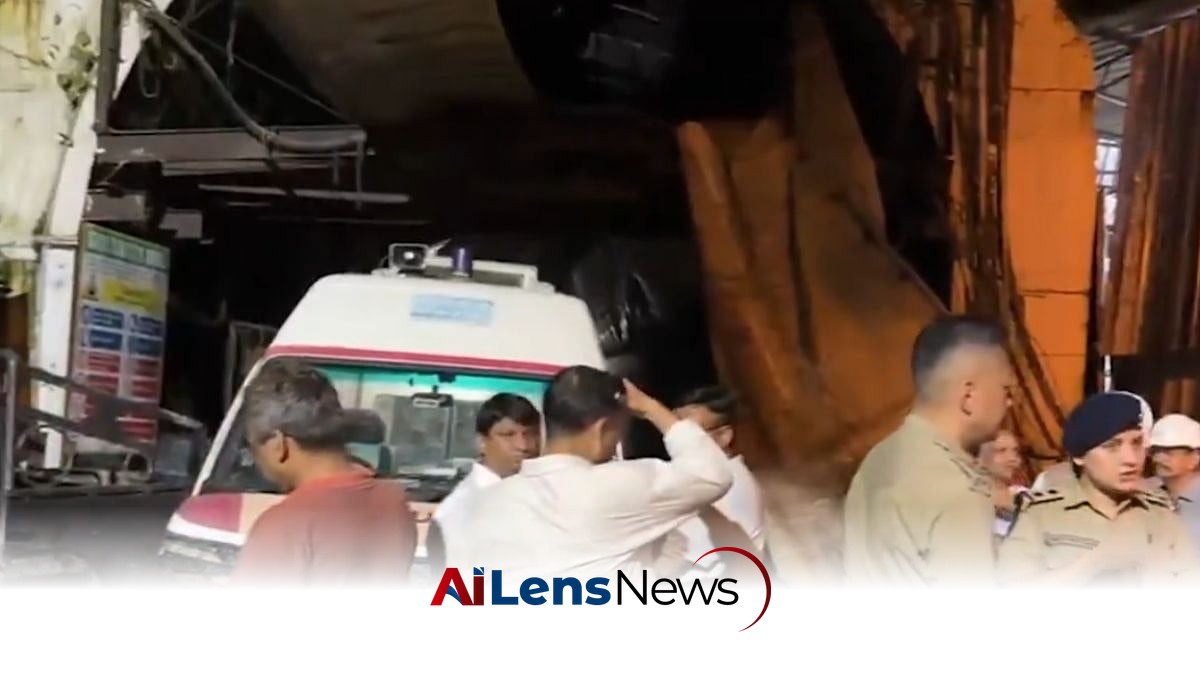


The death toll from the NHPC Teesta Stage VI Hydroelectric Project tunnel collapse in Sikkim has risen to eight, prompting extensive rescue operations supported by Prime Minister Modi.
New Delhi, India Jul 21, 2026 ALN: Namchi: The tragic incident at the under-construction tunnel of the NHPC Teesta Stage VI Hydroelectric Project in Samardung, located in Sikkim's Namchi district, has escalated into a significant disaster, with the death toll now reaching eight. This unfortunate event has drawn attention to the inherent risks associated with large-scale construction projects, particularly in regions prone to geological instability.
The tunnel, part of a major hydroelectric project aimed at harnessing the power of the Teesta River, was in the midst of construction when the incident occurred. Such projects are crucial for India's energy needs, particularly in the context of increasing demand for renewable energy sources. However, they also pose significant risks to workers, particularly in hilly terrains like Sikkim, where landslides and tunnel collapses can occur due to the region's geological makeup.
In response to this tragedy, the Namchi District Administration, in collaboration with NHPC officials, the State Disaster Response Force (SDRF), the National Disaster Response Force (NDRF), Sikkim Police, Fire and Emergency Services, and the Health Department, has mobilized resources to conduct rescue operations. These efforts are being closely monitored by the Sikkim State Disaster Management Authority (SSDMA), which plays a vital role in coordinating disaster response efforts in the region.
Chief Minister Prem Singh Tamang has been actively engaged in overseeing the rescue operations. He revealed that Prime Minister Narendra Modi reached out to him via phone to inquire about the situation and assess the ongoing rescue efforts. This communication underscores the significance of the incident at the national level and highlights the government's commitment to addressing the crisis.
In a post shared on X, Chief Minister Tamang conveyed the Prime Minister's concern for the affected workers and their families. He noted that Modi's assurance of support from the Government of India has provided a sense of strength and reassurance to the people of Sikkim during this difficult time. The Prime Minister's involvement reflects the seriousness of the situation and the need for a coordinated response at both state and national levels.
The Chief Minister expressed gratitude for the Prime Minister's timely intervention, stating that it has reinforced the solidarity between the central government and the state during this moment of grief. The emotional toll of such incidents is profound, and the Chief Minister's acknowledgment of the government's support is crucial for the affected families.
As rescue operations continue, multiple agencies are working on a "war footing" to evacuate the bodies of the remaining workers trapped inside the tunnel. This coordinated effort involves specialized teams from Pakyong and Siliguri, who are providing additional support to local agencies. The urgency of the situation is palpable, as families await news of their loved ones, and rescue teams face the daunting task of navigating the complexities of the tunnel structure.
In expressing his condolences, Chief Minister Tamang reiterated the government's commitment to supporting the families of the deceased workers. The emotional and psychological impact of such tragedies on families cannot be overstated, and the government's role in providing assistance during this time is crucial. The Chief Minister's assurance of unwavering support aims to alleviate some of the burden faced by the grieving families.
Tamang has been closely monitoring the situation, directing all relevant departments and agencies to expedite rescue efforts while ensuring the highest safety standards. This highlights the importance of safety protocols in construction projects, particularly in challenging environments. The Chief Minister's emphasis on safety during rescue operations serves as a reminder of the potential dangers that workers face in the construction industry.
In light of the incident, the Chief Minister appealed to the public to remain calm and refrain from spreading unverified information. Misinformation can exacerbate the situation, causing unnecessary panic among the affected families and the community at large. The call for calm reflects a broader need for responsible communication during crises, where accurate information is vital for effective response and recovery.
The Government of Sikkim has reiterated its commitment to ensuring that rescue operations are conducted safely and efficiently. This commitment extends to providing all necessary support to the families affected by the tragedy. The involvement of various government departments and agencies illustrates the collaborative approach required in managing such crises, where resources and expertise must be pooled to achieve effective outcomes.
As rescue efforts progress, the implications of this tragedy extend beyond immediate concerns for the victims and their families. It raises questions about workplace safety regulations in the construction industry, particularly in high-risk areas like Sikkim. The need for stringent safety measures, regular inspections, and comprehensive training for workers in hazardous environments becomes increasingly apparent in light of such incidents.
The incident also serves as a stark reminder of the human cost associated with infrastructure development, particularly in regions where natural disasters are a constant threat. While hydroelectric projects are essential for sustainable energy production, it is imperative that the safety of workers is prioritized to prevent future tragedies.
In conclusion, the Sikkim tunnel tragedy is a sobering event that highlights the challenges and risks inherent in large-scale construction projects. As rescue operations continue and the community comes to terms with the loss of life, it is crucial for all stakeholders to reflect on the lessons learned from this incident. Ensuring the safety of workers, providing adequate training, and maintaining rigorous safety standards must remain at the forefront of discussions surrounding infrastructure development in Sikkim and beyond.
To learn more about the latest developments in Crime & Law, stay updated with our exclusive reports and analyses on AiLensNews.

