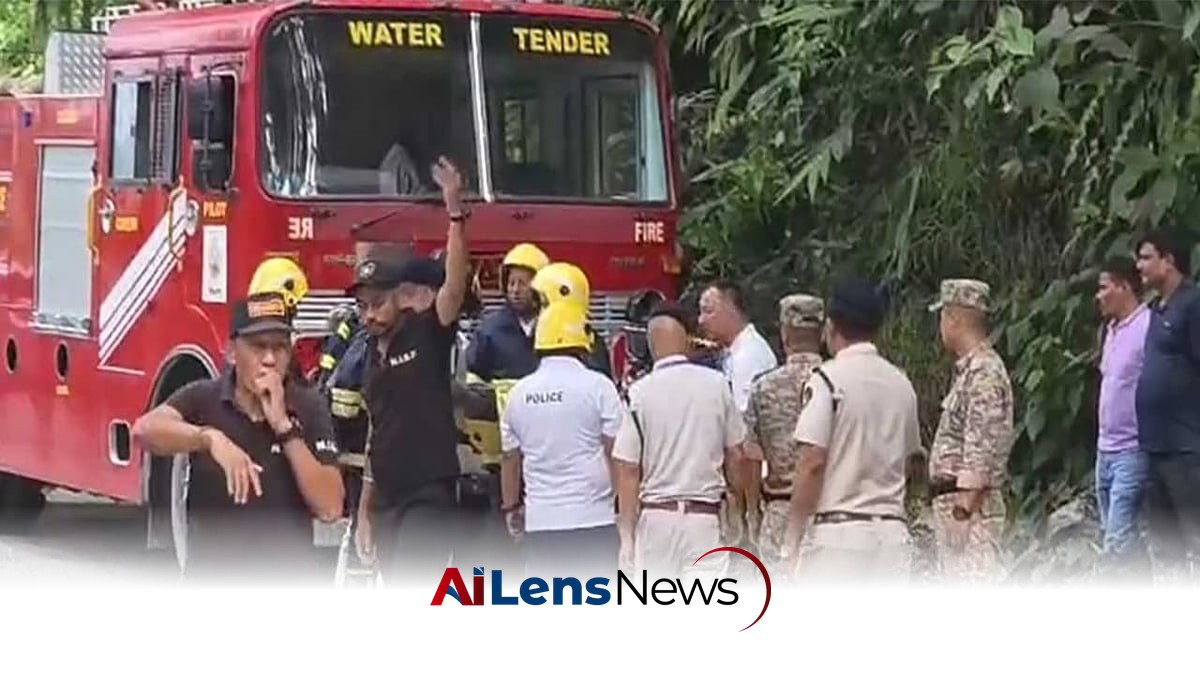


Sikkim's Chief Minister Prem Singh Tamang visited the tunnel collapse site in Namchi, where rescue efforts continue amid rising fatalities.
Gangtok, India Jul 21, 2026 ALN: Guwahati: Today, the Chief Minister of Sikkim, Prem Singh Tamang, visited the site of the tunnel collapse at the under-construction NHPC Teesta Stage VI Hydroelectric Project in the Namchi district, where the death toll has tragically risen to 10 as rescue teams continue operations to locate those still trapped. The incident marks a significant tragedy in the region, highlighting the inherent risks associated with large-scale infrastructure projects, particularly in geologically sensitive areas like Sikkim.
The NHPC Teesta Stage VI Hydroelectric Project is part of a series of hydroelectric projects on the Teesta River, which is crucial for both energy generation and flood control in the region. The project, when completed, is expected to contribute significantly to the national power grid, providing renewable energy and supporting local economies. However, the construction of such large projects often involves complex engineering challenges and risks, particularly in hilly terrains prone to landslides and seismic activity.
Governor Om Prakash Mathur also visited the disaster site to assess the ongoing rescue efforts and expressed condolences to the families of those who lost their lives. He reviewed the operation with officials and urged all agencies involved to continue the rescue mission with utmost urgency while ensuring the safety of rescue personnel. The governor's visit underscores the government's commitment to addressing the crisis and providing support to the affected families.
As per reports, 10 bodies have been recovered from the collapsed ADIT-3 tunnel at Samardung in Jholungey. The workers and project officials were trapped after a landslide, triggered by a methane gas explosion, caused the tunnel to collapse on Monday. Methane gas is often found in underground environments, and its presence can lead to explosive situations, especially when mixed with air and ignited by a spark or other source of ignition. This incident raises serious questions about safety protocols and risk assessments in place for such projects.
During his visit, Chief Minister Tamang reviewed the rescue operation and interacted with officials overseeing the response. He emphasized the need for a thorough investigation into the cause of the collapse, as the safety of workers on construction sites is paramount. The government is likely to face scrutiny regarding the safety measures implemented at the site and whether adequate precautions were taken to prevent such disasters.
Earlier in the day, Prime Minister Narendra Modi spoke to Tamang to inquire about the situation and the progress of the rescue efforts. Expressing grief over the loss of lives, the Prime Minister said he was "anguished" by the tragedy and extended his condolences to the bereaved families. This direct communication from the Prime Minister reflects the seriousness with which the central government is treating this disaster and the importance of swift action in response to such tragedies.
Modi also announced an ex gratia payment of Rs 2 lakh from the Prime Minister's National Relief Fund (PMNRF) to the next of kin of each deceased victim and Rs 50,000 to those injured in the incident. Such financial assistance is critical in providing immediate relief to the affected families, who are now facing the dual challenges of grief and financial uncertainty in the wake of the disaster.
In a post on social media platform Twitter, Tamang expressed gratitude towards the Prime Minister for the assurance of support from the central government. He stated, "His words of concern and compassion for the affected workers and their families, along with his assurance of every possible assistance from the Government of India, have provided immense strength and reassurance to the people of Sikkim during this difficult hour." This sentiment resonates with the need for solidarity and support in times of crisis, as communities come together to cope with the aftermath of such tragedies.
Tamang added that teams from the National Disaster Response Force (NDRF), State Disaster Response Force (SDRF), Sikkim State Disaster Management Authority (SSDMA), district administration, Sikkim Police, Fire and Emergency Services, medical teams, and local volunteers were continuing rescue operations in close coordination. The involvement of multiple agencies illustrates the collaborative effort required to manage disaster response effectively, particularly in remote and challenging terrains where access can be limited.
The rescue operation is being conducted under extremely challenging conditions, as the site of the collapse is likely unstable and may pose further risks to rescuers. The government has to balance the urgency of the rescue with the safety of the personnel involved, a task that requires careful planning and execution. The ongoing efforts are not only focused on recovering those still trapped but also on ensuring that such incidents do not recur in the future.
As the situation develops, the implications of this tragedy extend beyond immediate rescue efforts. It raises critical issues regarding the safety standards in construction projects, particularly in regions prone to natural disasters. There may be calls for stricter regulations and oversight in the construction industry, especially for projects that pose significant risks to workers' safety.
Additionally, the psychological impact on the families of the victims and the community as a whole cannot be overlooked. The loss of life in such tragic circumstances often leaves lasting scars, and support systems, including counseling and community support, will be essential in helping those affected cope with their loss.
In conclusion, the tunnel collapse at the NHPC Teesta Stage VI Hydroelectric Project serves as a stark reminder of the dangers associated with large infrastructure projects in vulnerable areas. As rescue operations continue and investigations begin, the focus will be on accountability, safety, and ensuring that lessons are learned to prevent future tragedies. The response from both state and central government officials reflects the seriousness of the situation, and their commitment to providing support to the affected families during this difficult time will be crucial in the coming days.
To learn more about the latest developments in Crime & Law, stay updated with our exclusive reports and analyses on AiLensNews.

