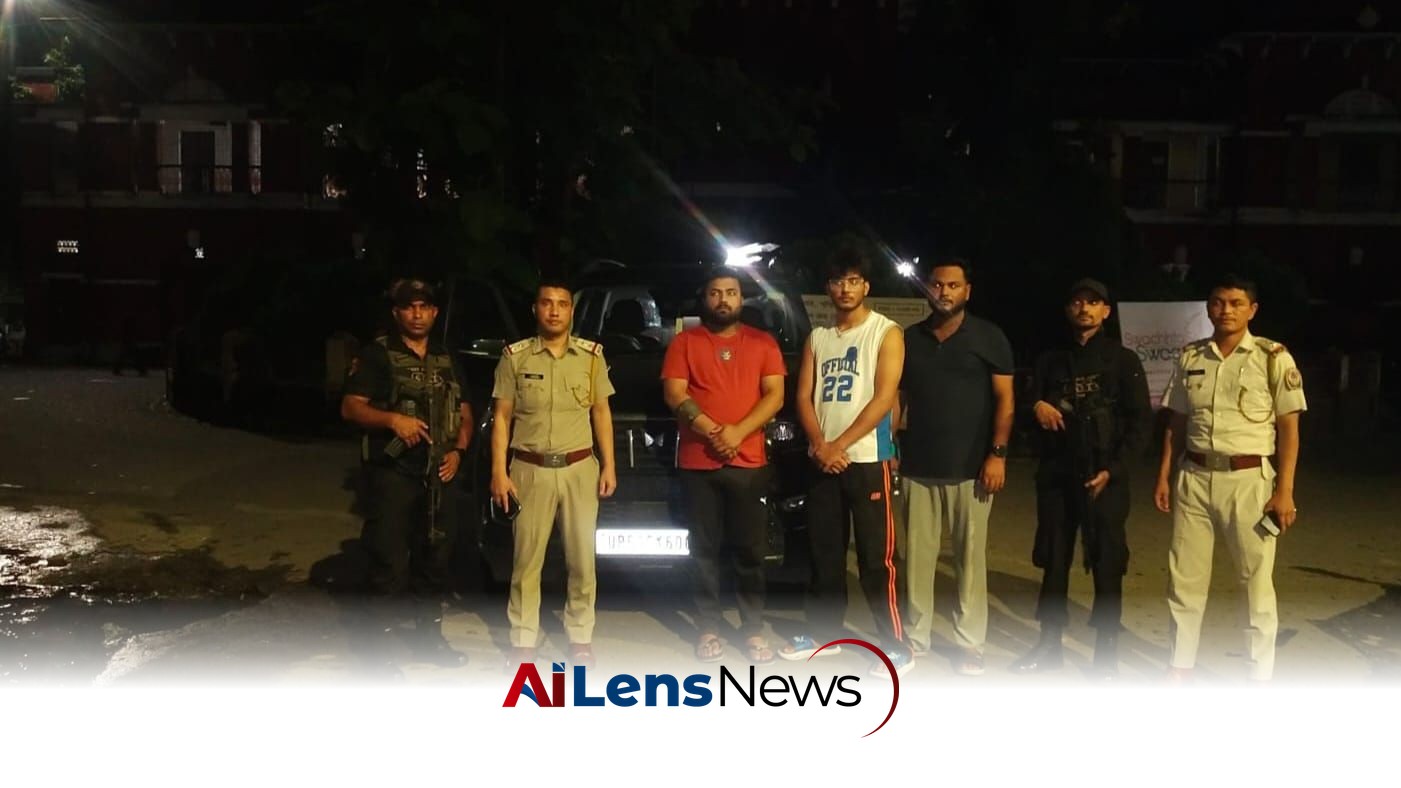


Six individuals, including three minors, were arrested in connection with the vandalism of an Airbnb property in Shillong, later granted bail as investigations continue.
Gangtok, India Jul 14, 2026 ALN: Shillong: Meghalaya Police have registered a case after an Airbnb in Shillong’s Risa Colony was left severely damaged by a group of guests. A video shared by the homestay owner showing the condition of the property went viral on social media, sparking widespread outrage and calls for action.
This incident has highlighted the growing concerns regarding the behavior of some visitors in popular tourist destinations, particularly in areas where short-term rentals, such as Airbnb, have become increasingly common. The rise of platforms like Airbnb has transformed the hospitality landscape, allowing homeowners to rent out their properties to travelers. While this has provided a financial boon for many, it has also introduced challenges related to property damage, noise complaints, and other disturbances.
In the case of the Risa Colony Airbnb, the damage reportedly included broken furniture, defaced walls, and a general state of disarray that prompted the owner to document the aftermath in a video. This footage quickly gained traction on social media, igniting a public outcry that called for accountability and stricter regulations for short-term rental properties. Social media users expressed their anger and disappointment, with many emphasizing the need for responsible behavior from guests and the importance of protecting local businesses.
Speaking to reporters, East Khasi Hills Superintendent of Police Vivek Syiem detailed the police response following the incident. A police team was dispatched the day after the complaint was filed on July 11, which indicated that two individuals had threatened the host and vandalized the guesthouse before leaving without compensating the owner. This prompt action by the police reflects a growing recognition of the need to address such incidents swiftly to deter future occurrences.
“A case was registered immediately. We coordinated with our counterparts in Assam, including the SPs of Kokrajhar and Alipurduar. Yesterday, the suspects—identified as Vikash Singh, Avinash Singh and Akhand Singh, along with three minors aged around 17—were intercepted by the Alipurduar Police. Our team from Shillong then went there, arrested them and produced them before the Chief Judicial Magistrate’s court. Since the offences are punishable with less than seven years’ imprisonment, they were granted bail. The investigation is continuing,” the SP said.
The legal framework governing such incidents includes various sections of the Bharatiya Nyaya Sanhita (BNS), under which the case has been registered. Specifically, the charges include Sections 351(3), which pertains to wrongful restraint, Section 324(3), which involves causing hurt by dangerous weapons or means, and Section 3(5), which addresses offenses committed by minors. The involvement of minors in this case raises additional questions about accountability and the measures that can be taken to prevent similar behavior in the future.
This incident is not isolated; it reflects a broader trend in many tourist hotspots where property damage and unruly behavior by guests have led to calls for stricter regulations on short-term rentals. Many local governments are grappling with how to balance the economic benefits of tourism with the need to maintain community standards and protect local businesses from disruptive behavior.
In recent years, some regions have begun implementing stricter regulations on short-term rentals, including requiring licenses, enforcing noise ordinances, and mandating that property owners provide clear guidelines for guest behavior. These measures aim to create a more sustainable tourism model that benefits both visitors and local residents. For instance, cities like Barcelona and Amsterdam have introduced caps on the number of days a property can be rented out short-term to combat issues stemming from overtourism.
The implications of this incident extend beyond the immediate legal consequences for the individuals involved. It raises important questions about the responsibilities of guests when renting properties, the obligations of hosts to ensure their properties are protected, and the role of local authorities in regulating short-term rentals. As the popularity of platforms like Airbnb continues to grow, communities may need to consider comprehensive strategies to address these challenges. This may include implementing stricter vetting processes for guests and requiring hosts to have insurance that covers property damage.
Furthermore, the incident has sparked discussions among local residents and business owners about the potential need for community engagement in establishing guidelines for short-term rentals. Many community members have expressed concerns about the impact of transient guests on neighborhood dynamics, including increased noise, litter, and the potential for property damage. By fostering dialogue between residents, property owners, and local authorities, communities may be able to develop more effective strategies for managing the influx of visitors while preserving the character and integrity of their neighborhoods.
As the investigation continues, the Meghalaya Police are likely to face scrutiny regarding their handling of the situation and the broader implications for tourism in the region. This incident serves as a reminder of the importance of responsible tourism and the need for all stakeholders—guests, hosts, and local authorities—to work together to create a positive experience for everyone involved. The collective responsibility to uphold community standards and respect local customs cannot be overstated.
In conclusion, the vandalism incident at the Airbnb in Shillong’s Risa Colony has not only resulted in legal action against the suspects but also ignited a broader conversation about the responsibilities of guests and the need for effective regulations governing short-term rentals. As tourism continues to evolve, it will be essential for communities to find a balance that allows for economic growth while safeguarding the interests of local residents and businesses. The ongoing dialogue surrounding this issue may lead to more robust frameworks that ensure the integrity of both the tourism industry and the communities that host it.
To learn more about the latest developments in Crime & Law, stay updated with our exclusive reports and analyses on AiLensNews.

