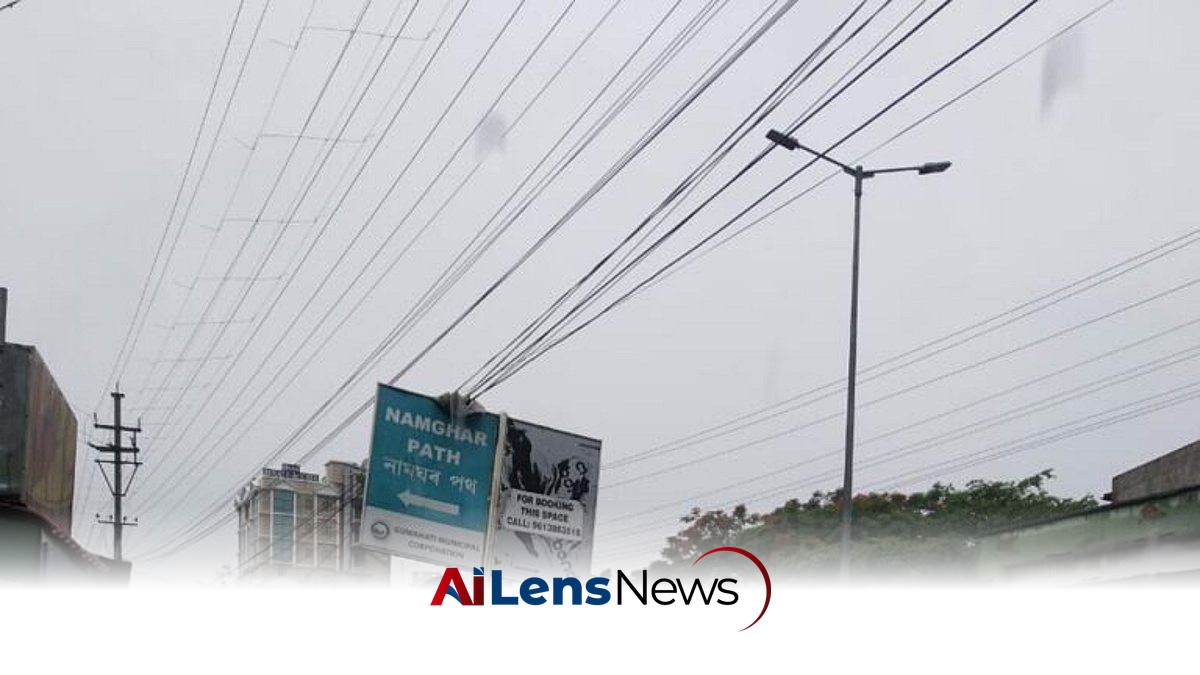


Guwahati faces severe waterlogging as heavy rainfall inundates major roads and neighborhoods, leading to traffic chaos and stranded commuters.
Gangtok, India Jul 23, 2026 ALN: Guwahati: Today, since 4pm, Heavy rainfall that began in Guwahati, once again inundated large parts of Guwahati and brought the city to a standstill, with severe waterlogging affecting several major roads and residential neighborhoods across the city.
The intense downpour triggered widespread urban flooding as drains and sewers overflowed, spilling water onto the streets. Water levels rose to nearly one to one-and-a-half feet in several locations, leaving two-wheelers and four-wheelers stranded. Areas including Six Mile, Khanapara, VIP Road, Geeta Mandir, Beltola, Wireless, Hatigaon, and AIDC were among the worst affected, with commuters forced to wade through knee-deep water.
The flooding resulted in considerable levels of traffic congestion during rush hour in the evening, with many office workers stranded for long periods while returning home. Multiple vehicles crashed in the middle of the flooded roadways, adding to the congestion.
Teams from the district administration and the Guwahati Municipal Corporation were deployed to drain the accumulated water and restore normal traffic movement. However, officials cautioned that with continued rain, conditions could worsen.
- IMD Issues Rain and Thunderstorm Alert for Kamrup Metro
This recent episode of severe rainfall is part of a broader pattern observed in Guwahati, which has faced increasing instances of heavy rainfall and urban flooding in recent years. The city, located on the banks of the Brahmaputra River, has a unique topography that makes it particularly susceptible to flooding. The combination of rapid urbanization, inadequate drainage systems, and heavy rainfall has exacerbated the situation, leading to significant challenges for city planners and residents alike.
Urban flooding in Guwahati is not a new phenomenon. The city has experienced similar flooding events in the past, particularly during the monsoon season, which typically spans from June to September. However, the intensity and frequency of these events have raised concerns among environmentalists and urban planners. Many attribute the worsening flooding to climate change, which has resulted in unpredictable weather patterns and increased rainfall intensity. Additionally, the city's population has grown significantly, leading to increased demand for infrastructure and housing, often at the expense of natural drainage systems.
The consequences of such flooding are far-reaching. Beyond the immediate inconvenience of waterlogged roads and delayed commutes, urban flooding poses serious risks to public health and safety. Stagnant water can become a breeding ground for mosquitoes, increasing the risk of vector-borne diseases such as dengue and malaria. Moreover, the inundation of residential areas can lead to property damage, loss of livelihoods, and displacement of families. The economic impact of flooding is substantial, with businesses often forced to close temporarily, leading to lost income and employment.
In response to these challenges, the Guwahati Municipal Corporation has been working on various initiatives aimed at improving the city's drainage infrastructure. This includes the construction of new drains, regular maintenance of existing systems, and efforts to clear blockages caused by debris and waste. However, these measures often face hurdles, including insufficient funding, bureaucratic delays, and the need for coordination among multiple government agencies.
Moreover, the role of citizens in mitigating the impacts of flooding cannot be overlooked. Community awareness and participation in waste management and drainage maintenance are crucial for preventing blockages and ensuring that water can flow freely during heavy rains. Educational campaigns aimed at informing residents about the importance of keeping drains clear and reducing plastic waste can contribute to better outcomes during the monsoon season.
Furthermore, the Indian Meteorological Department (IMD) plays a critical role in forecasting weather patterns and issuing alerts to help residents prepare for severe weather. The recent alert for rain and thunderstorms in the Kamrup Metro area highlights the importance of timely information in mitigating the impacts of such weather events. Residents are encouraged to stay informed about weather forecasts and heed warnings from local authorities to ensure their safety during extreme weather conditions.
Looking ahead, addressing the issue of urban flooding in Guwahati requires a multifaceted approach that includes improving drainage infrastructure, enhancing community engagement, and adapting to the realities of climate change. Policymakers must prioritize sustainable urban planning that takes into account the city's unique geography and climate challenges. This may involve implementing green infrastructure solutions, such as rain gardens and permeable pavements, which can help absorb excess rainwater and reduce runoff.
In conclusion, the severe rainfall and subsequent waterlogging experienced in Guwahati today serve as a stark reminder of the ongoing challenges faced by urban areas in the context of climate change and rapid urbanization. As the city grapples with these issues, collaborative efforts among government agencies, communities, and individuals will be essential in building resilience against future flooding events. The need for comprehensive planning and proactive measures has never been more urgent, as the city strives to safeguard its residents and infrastructure against the increasing threat of urban flooding.
To further understand the implications of such flooding events, it is essential to consider the historical context of Guwahati's urban development. The city has undergone rapid urbanization over the last few decades, leading to a significant increase in population density. This growth has often outpaced the development of essential infrastructure, including drainage systems. As a result, many areas of the city remain vulnerable to flooding, particularly during the monsoon season.
The geography of Guwahati also plays a critical role in its flooding challenges. Nestled in a valley and bordered by hills, the city is prone to runoff from surrounding areas, which can exacerbate flooding during heavy rains. The Brahmaputra River, while a vital water source, is also a potential threat when water levels rise. Flooding in the river can lead to additional challenges, particularly in low-lying areas.
In light of these challenges, the need for innovative solutions has never been more pressing. Urban planners are increasingly looking at nature-based solutions to complement traditional infrastructure. Initiatives such as creating green spaces, restoring wetlands, and enhancing tree cover can help absorb rainwater and reduce the volume of runoff entering the drainage system. These approaches not only mitigate flooding but also improve the overall urban environment and contribute to biodiversity.
Moreover, climate change is expected to further complicate the situation. With rising temperatures and changing precipitation patterns, cities like Guwahati may experience more frequent and intense rainfall events in the future. This necessitates a proactive approach to urban planning and disaster management, ensuring that infrastructure is resilient to the impacts of climate change.
Community involvement is also crucial in building resilience against flooding. Local residents can play a significant role in maintaining drainage systems, participating in clean-up drives, and advocating for better urban planning practices. Engaging communities in these efforts not only fosters a sense of ownership but also enhances the effectiveness of initiatives aimed at reducing flooding risks.
In conclusion, the recent heavy rainfall and resultant waterlogging in Guwahati underscore the urgent need for a comprehensive approach to urban flooding. Addressing the root causes of flooding requires collaboration among government agencies, community organizations, and residents. By prioritizing sustainable urban development and investing in resilient infrastructure, Guwahati can work towards mitigating the impacts of flooding and ensuring a safer future for its inhabitants.
To learn more about the latest developments in Weather & Emergency, stay updated with our exclusive reports and analyses on AiLensNews.

