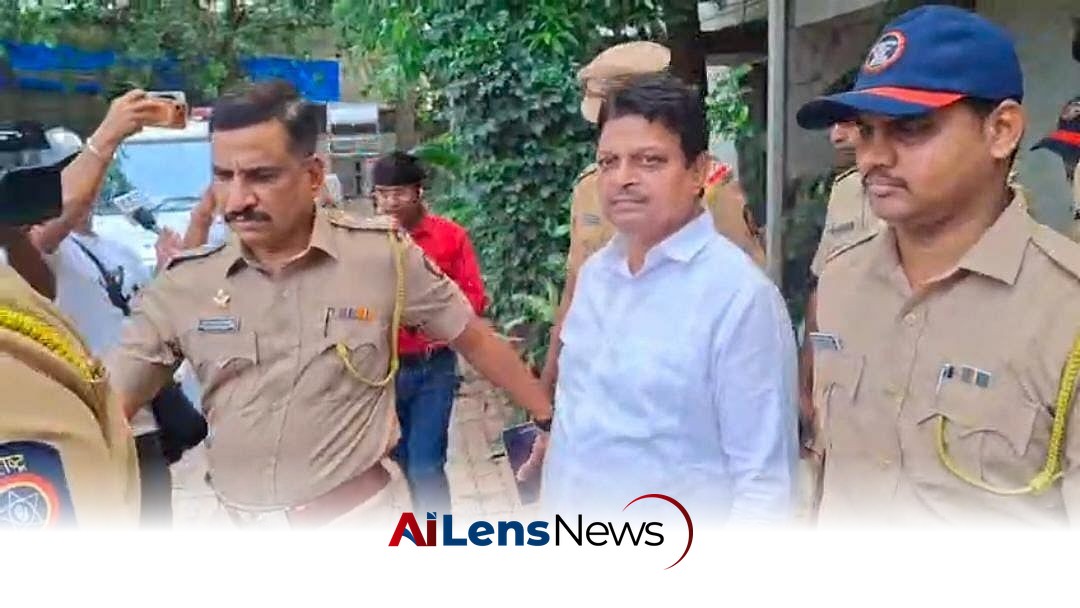


Ramesh Mhatre, a Shiv Sena corporator, surrendered to police after the Bombay High Court revoked his bail in a case involving the assault of three doctors.
New Delhi, India Jul 19, 2026 ALN: Shiv Sena corporator Ramesh Mhatre's recent surrender to the Vishnu Nagar Police marks a significant development in a case that has drawn considerable attention and outrage across Maharashtra. His surrender follows the Bombay High Court's decision to cancel the bail previously granted to him concerning an alleged assault on medical professionals at a municipal hospital in Dombivli. This incident not only highlights the ongoing tensions between political figures and the medical community but also raises important questions regarding the safety of healthcare workers in India.
The Bombay High Court's directive for Mhatre to surrender by 5 PM on July 19 underscores the judiciary's stance on the seriousness of the allegations against him. The court's ruling was delivered by a division bench comprising Acting Chief Justice Ravindra Ghuge and Justice Gautam Ankhad, who quashed the bail granted by a Kalyan magistrate court. The judges expressed concern that the lower court had not sufficiently weighed the severity of the allegations, the ongoing investigation, and Mhatre's previous criminal history when it made its decision.
In its assessment, the High Court highlighted that while Mhatre had been acquitted in 17 out of 18 criminal cases against him, the nature of the remaining charges—including serious offenses such as murder and attempted murder—should have played a crucial role in the bail decision. This observation raises critical issues about the judicial process and the standards applied when determining bail for individuals with extensive criminal backgrounds. The implications of such a ruling could influence future bail decisions, particularly for individuals with similar profiles, thereby affecting the legal landscape in Maharashtra.
The case that led to Mhatre's legal troubles involves an alleged attack on three doctors, including a female physician, at a municipal hospital in Dombivli. Reports indicate that Mhatre is accused of leading this violent confrontation, which has since sparked widespread outrage from the medical community. The incident has not only drawn condemnation from various medical associations but has also led to protests by doctors across Maharashtra, emphasizing the urgent need for greater protection for healthcare workers in the face of violence. The doctors involved in the incident reportedly suffered physical injuries, and the emotional toll on them and their colleagues has been substantial.
The assault on the doctors has been described as a pivotal moment, galvanizing the medical fraternity to demand better safety measures and legal protections. The reaction from the healthcare community has been swift and resolute, with many doctors calling for a strike to express their dissatisfaction with the current state of safety in hospitals and the lack of accountability for those who commit violence against medical personnel. The Bombay High Court, recognizing the gravity of the situation, urged the doctors to reconsider their planned strike on July 20, noting that the judiciary had acted promptly by revoking Mhatre's bail and ordering his surrender.
This case is emblematic of a broader issue facing healthcare workers in India, where incidents of violence against doctors and medical staff have been on the rise. The World Health Organization has reported that healthcare professionals often face threats and aggression, particularly in emergency and high-stress environments. The lack of adequate legal protections for doctors can lead to a culture of fear, where medical professionals hesitate to report incidents or take a stand against violence. This culture not only affects individual practitioners but also has broader implications for public health, as it may deter qualified individuals from entering the medical field or lead to burnout among existing staff.
Furthermore, the implications of this case extend beyond the immediate legal consequences for Mhatre. It raises crucial questions about the intersection of politics and healthcare in India. As a member of a political party, Mhatre's actions and the subsequent legal proceedings may influence public perceptions of political accountability and the responsibilities of elected officials. The incident underscores the need for political leaders to uphold the rule of law and protect the rights of all citizens, including those in the medical profession. The actions of public figures, especially in cases involving violence, can shape the public's trust in governance and the legal system.
As the investigation into the assault continues, the legal and political ramifications of this case will likely unfold over time. The response from the healthcare community, including any potential actions taken in light of the court's decision, will be closely monitored. This situation serves as a reminder of the ongoing challenges faced by healthcare workers in India and the critical importance of ensuring their safety and well-being. The outcome of this case may also set a precedent for how similar cases are handled in the future, potentially leading to reforms in both legal protections for healthcare workers and the accountability of political figures.
In conclusion, Ramesh Mhatre's surrender following the cancellation of his bail is a significant event that has captured the attention of both the legal system and the medical community. The case not only highlights the urgent need for better protections for healthcare workers but also raises broader questions about political accountability and the safety of professionals in high-stress environments. As the legal proceedings continue, the outcomes will likely have lasting implications for both the medical community and the political landscape in Maharashtra and beyond. The incident serves as a critical juncture for discussions on healthcare safety, legal reforms, and the role of political accountability in India, urging stakeholders from various sectors to engage in meaningful dialogue and action.
To learn more about the latest developments in Crime & Law, stay updated with our exclusive reports and analyses on AiLensNews.

