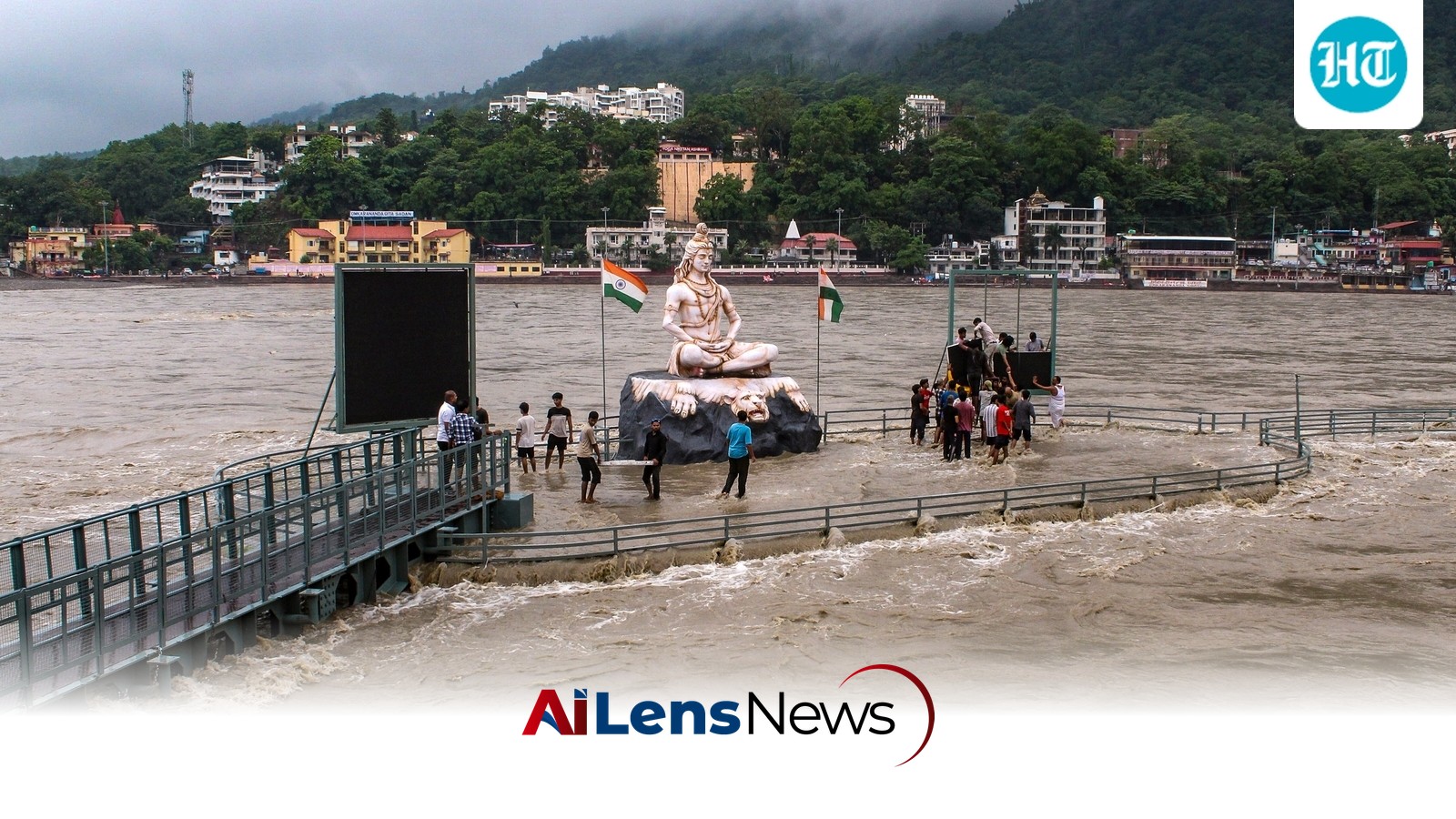


Heavy rainfall has led to the closure of 109 roads in Uttarakhand, with additional alerts issued for northeastern states as Assam faces severe flooding.
New Delhi, India Jul 30, 2026 ALN: Severe Weather Disrupts Life in Uttarakhand and Northeast India Amid Flood Alerts
As heavy rains continue to batter various regions of India, Uttarakhand has reported the closure of 109 roads due to landslides and flooding. The situation has worsened in Assam, where floods have affected around 52,000 families across 180 villages. The ongoing severe weather conditions are a stark reminder of the challenges posed by monsoon season in India, which often brings both relief and disaster to different parts of the country.
The Indian Meteorological Department (IMD) has issued alerts for heavy to very heavy rainfall in several states, including Himachal Pradesh, Arunachal Pradesh, and Rajasthan. The national capital, Delhi, is expected to experience light rainfall throughout the day, with another spell anticipated in the evening. These weather patterns are part of the larger monsoon system that typically affects the Indian subcontinent during the months of June to September. However, the intensity and unpredictability of the rains this season have raised concerns among meteorologists and local authorities.
The monsoon season is crucial for India, as it provides the majority of the annual rainfall necessary for agriculture, replenishing water supplies, and sustaining ecosystems. However, the very nature of the monsoon, marked by its variability, can lead to extreme weather events, including heavy rainfall, floods, and landslides. This year, the IMD has noted that certain areas have experienced rainfall significantly above average, which has led to the current crisis.
In Uttarakhand, the Char Dham Yatra, an important pilgrimage that attracts thousands of devotees each year, has been suspended as rivers swell due to the incessant rainfall. The Ganga River is currently flowing just below the warning level in Haridwar, while other rivers like the Alaknanda and Mandakini have crossed their warning thresholds. This situation poses a significant risk not only to the pilgrims but also to local residents. Authorities have advised residents to stay away from riverbanks and move to safer locations, emphasizing the importance of heeding official warnings during such critical times.
The Char Dham Yatra is not only a religious event but also a significant economic activity for the region. The suspension of the pilgrimage due to adverse weather conditions has implications for local businesses that rely on the influx of tourists. Hotels, restaurants, and local artisans who cater to the needs of pilgrims are likely to face financial losses during this period.
Incessant rainfall has also led to the closure of major highways, including the Tyuni-Mussoorie-Maletha National Highway. The closure of these roads has severely impacted transportation and logistics in the region, complicating relief efforts and access to essential services. Efforts are underway to clear the roads and restore normalcy, but the ongoing rain hampers these operations. The state government has mobilized resources to assist affected areas, including deploying National Disaster Response Force (NDRF) teams to assist with rescue operations.
In Assam, the floods have wreaked havoc, particularly in the Golaghat district, where numerous villages have been submerged. The worst-hit areas include Kapuhatting and Kharjan, with local authorities mobilizing resources for relief efforts. The floods have not only displaced thousands but have also led to the destruction of homes, agricultural land, and livestock, exacerbating the humanitarian crisis in the region. Local NGOs and government agencies are working together to provide food, clean water, and medical assistance to those affected. The situation remains fluid, and as waters rise, the need for immediate and effective response becomes increasingly critical.
The floods in Assam are part of a recurring pattern, where the Brahmaputra River and its tributaries overflow during the monsoon season, leading to widespread devastation. The state has been grappling with flood management issues for years, and the current situation underscores the urgent need for improved infrastructure and disaster preparedness strategies. Flooding not only disrupts daily life but also poses long-term challenges for agriculture, which is a primary source of livelihood for many in the region.
Himachal Pradesh has recorded 258.2 mm of rainfall from July 1 to July 29, surpassing the average of 238.6 mm for the same period. This excess rainfall has resulted in the closure of 152 roads across the state, with Mandi district being the most affected. The heavy rainfall has also raised concerns about landslides, which are common in the region due to its hilly terrain. The local government is on high alert, monitoring the situation closely and preparing for potential evacuations if conditions worsen.
The impact of heavy rainfall in Himachal Pradesh is particularly concerning because the state is known for its fragile ecosystem and mountainous geography. Landslides can lead to significant loss of life and property, as well as disrupt essential services such as electricity and communication. The state has seen a rise in such incidents in recent years, prompting calls for better infrastructure and early warning systems to mitigate risks associated with extreme weather events.
Residents in affected areas are urged to remain vigilant and adhere to safety guidelines issued by local authorities. The IMD has also warned of thunderstorms and gusty winds in several regions, including coastal Andhra Pradesh and Tamil Nadu. It is essential for individuals and families to stay informed about weather updates and to have emergency plans in place, especially in flood-prone areas. Communities are encouraged to come together to support one another during these challenging times, sharing resources and information to ensure everyone's safety.
The government has also initiated awareness campaigns to educate the public about disaster preparedness and response. These campaigns aim to equip individuals with knowledge about how to respond during floods, including evacuation routes, emergency contacts, and the importance of having an emergency kit ready. Such proactive measures can save lives and reduce the impact of natural disasters.
As the situation develops, updates will be provided to keep the public informed about weather conditions and safety measures. The government is also coordinating with various agencies to ensure that relief efforts are efficient and effective. The long-term implications of such severe weather events are significant, as they not only disrupt daily life but also impact local economies, agriculture, and infrastructure. As climate change continues to influence weather patterns, it is crucial for policymakers to consider sustainable practices and disaster preparedness strategies to mitigate the effects of future natural disasters.
In conclusion, the ongoing severe weather in Uttarakhand and Northeast India highlights the vulnerabilities faced by these regions during the monsoon season. With lives and livelihoods at stake, the need for robust infrastructure, effective emergency response systems, and community resilience has never been more apparent. As India continues to grapple with the impacts of climate change, it is imperative to prioritize disaster management and preparedness to safeguard the well-being of its citizens.
The current situation serves as a reminder of the importance of investing in climate-resilient infrastructure and enhancing community preparedness. Policymakers and local governments must work collaboratively with communities to develop strategies that not only address immediate needs but also build long-term resilience against future weather-related disasters. The challenges posed by the monsoon season are multifaceted, and a coordinated approach will be essential in navigating these difficulties while protecting vulnerable populations.
To learn more about the latest developments in Crime & Law, stay updated with our exclusive reports and analyses on AiLensNews.

