

More
Checking your session
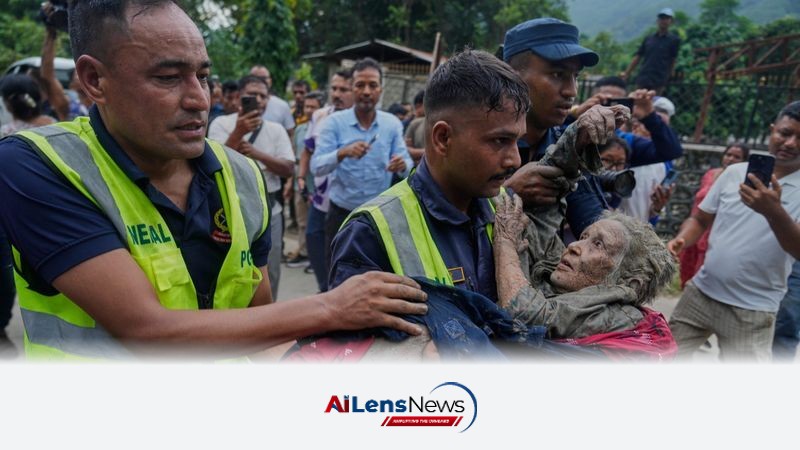



Authorities in Uttar Pradesh and Bihar have ordered evacuations following severe flooding in Nepal, triggered by an ice-rock avalanche.
New Delhi, India Aug 27, 2026 ALN: In a significant response to a natural disaster, authorities in Uttar Pradesh and Bihar have declared a state of high alert due to severe flooding in neighboring Nepal. The flooding was reportedly triggered by an ice-rock avalanche on the Lhende Khola river, a tributary of the Bhote Koshi, following a recent earthquake. This natural disaster has led to an urgent need for coordinated emergency responses across borders, highlighting the interconnectedness of regional ecosystems and the shared vulnerabilities of communities living near the Himalayas.
The Lhende Khola river is known for its swift currents and has historically posed risks during monsoon seasons. However, the recent avalanche, which was exacerbated by geological instability from the earthquake, has resulted in catastrophic flooding that has overwhelmed local infrastructure. The avalanche has led to significant alterations in the river's course, causing water levels to rise dramatically and flooding areas that are typically safe.
The impact of this disaster extends beyond immediate flooding. Initial assessments indicate that the avalanche has caused significant damage to infrastructure and homes in the affected regions of Nepal. Reports suggest that entire communities have been displaced, with many residents trapped or in need of urgent help. Rescue operations are underway, with emergency services mobilizing to assist those affected, and international aid organizations are also poised to provide support.
In response to the unfolding situation, officials in Uttar Pradesh and Bihar have issued evacuation orders for communities near the border with Nepal. These areas are particularly vulnerable to flooding due to their proximity to the river and the historical patterns of water flow during natural disasters. The focus is on ensuring that residents are moved to safer locations away from potential flood zones to minimize risks to life and property.
Local officials are working tirelessly to ensure the safety of residents, particularly in vulnerable areas that are at risk of being inundated. They are coordinating with national disaster management agencies to facilitate the evacuation process, which includes providing transportation and shelter for displaced individuals. Public shelters are being set up in schools and community centers that are located on higher ground, away from the flood-prone regions.
Authorities are urging residents to remain vigilant and heed evacuation orders to ensure their safety. The situation is being closely monitored, and updates will be provided as more information becomes available. Meteorological departments are also being consulted to predict any further weather events that could exacerbate the flooding situation.
The flooding in Nepal serves as a stark reminder of the potential dangers posed by natural disasters, particularly in regions that are prone to earthquakes and severe weather. The Himalayan region is known for its complex geological features, which can lead to avalanches and landslides, particularly after seismic events. As communities in Uttar Pradesh and Bihar brace for possible impacts, the focus remains on safeguarding lives and providing necessary assistance to those affected.
This disaster also raises questions about the long-term preparedness of both Nepal and its neighboring countries. The frequency of natural disasters in the region may necessitate a reevaluation of disaster response strategies, infrastructure resilience, and community preparedness programs. Enhanced regional cooperation may be essential to effectively manage the risks associated with such disasters, as they often transcend national borders.
Furthermore, the socio-economic implications of such flooding events can be profound. Displacement of communities, loss of agricultural land, and damage to infrastructure can lead to long-term challenges in recovery and rebuilding efforts. The psychological impact on affected populations, particularly those who have experienced multiple disasters, cannot be understated. Support systems must be in place to address both immediate needs and long-term recovery.
As the situation develops, it is crucial for local and national governments, along with international aid organizations, to work collaboratively to ensure a comprehensive response. The resilience of communities will depend not only on immediate disaster response but also on long-term strategies aimed at reducing vulnerability to future natural disasters.
To learn more about the latest developments in World News & International Affairs, stay updated with our exclusive reports and analyses on AILensNews.