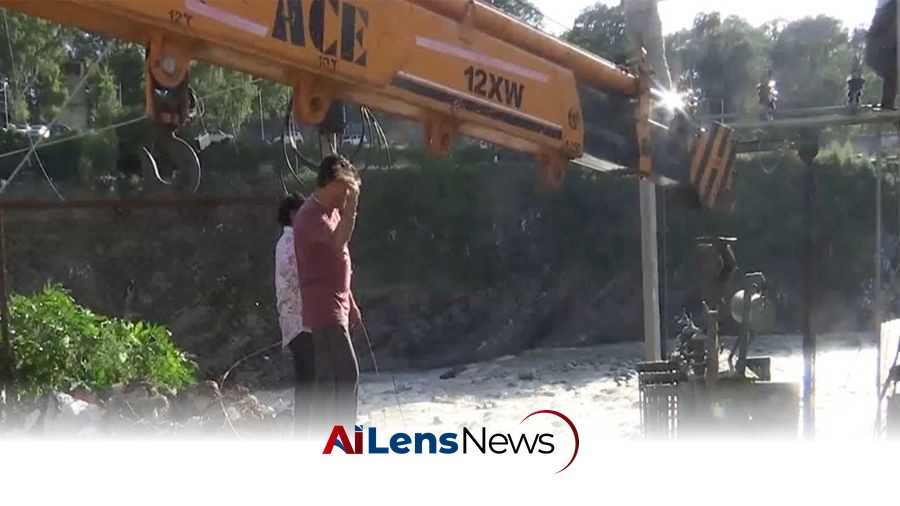


Recent flash floods in Rajouri, Jammu and Kashmir, have severely damaged the local power infrastructure, prompting urgent restoration efforts by the Power Development Department.
New Delhi, India Jul 24, 2026 ALN: Recent flash floods in Jammu and Kashmir's Rajouri district have wreaked havoc on the local power infrastructure, resulting in the washing away of 15 transformers and damaging approximately 200 others. This catastrophic event has led to widespread disruption of electricity supply across the district, according to officials from the Power Development Department (PDD). The impact of such disasters on essential services highlights the vulnerabilities faced by communities in the region, particularly during the monsoon season, which is known for its unpredictable weather patterns.
The Rajouri Power Development Department (PDD) is currently mobilizing resources to restore power as quickly as possible. Executive Engineer Javed Akhtar confirmed that restoration work is being conducted on a war footing, with electricity already restored in several affected areas. However, the extent of the damage means that restoration efforts are ongoing in numerous locations, underscoring the challenges faced by the department in the wake of the floods.
In response to the crisis, senior PDD officers, engineers, field staff, and laborers are working tirelessly around the clock. The department has deployed additional manpower to assist in the restoration efforts, and local residents have also stepped in to support these initiatives. This collaborative effort between the PDD and the community exemplifies the resilience of the people in the face of natural disasters.
Despite the dedication of the workforce, the operation to restore power remains challenging. Many electric poles were either washed away or severely damaged by the floods, complicating the restoration process. The scale of the destruction necessitates a large-scale restoration drive, which is critical for ensuring that all affected areas receive power as quickly as possible. The situation serves as a reminder of the fragility of infrastructure in regions prone to extreme weather events.
The flash floods were triggered by continuous rainfall in Reasi and the upper catchment areas, which resulted in a significant surge in water inflow into the Salal reservoir. In response, authorities took precautionary measures by opening all gates of the dam to regulate the rising water levels. This decision was made to mitigate the risks associated with potential dam overflow, which could have catastrophic consequences for the communities downstream.
The increased inflow and subsequent release of water from the dam have caused the Chenab River to swell, leading to strong currents and elevated water levels being observed downstream. The situation has raised concerns among local residents, particularly those living in low-lying areas and along the banks of the river. Authorities have issued advisories urging these individuals to remain vigilant and avoid venturing close to the river, highlighting the need for community awareness and preparedness in the face of natural disasters.
In light of the severe weather conditions, the district administration and Rajouri Police have been proactive in disseminating information to the public. Since Tuesday morning, they have issued advisories urging residents to stay alert amid fears of rising river water levels, flash floods, landslides, and waterlogging. These warnings are crucial for ensuring the safety of residents, particularly those who may be unaware of the potential dangers posed by the flooding.
Residents have been advised to remain indoors unless travel is absolutely essential. This precautionary measure is intended to minimize the risk of accidents and ensure that individuals are safe from the unpredictable nature of flash floods. The administration has also encouraged cooperation from the public in adhering to these guidelines, emphasizing the importance of community solidarity during emergencies.
In case of an emergency, residents are advised to immediately contact local administration or emergency services. This communication is vital for ensuring that individuals receive the help they need in a timely manner, particularly in areas that may be cut off from regular emergency response routes due to flooding or landslides.
The impact of these flash floods extends beyond immediate disruptions; they also raise broader questions about the resilience of infrastructure in Jammu and Kashmir. The region is prone to natural disasters, including floods and landslides, which can have devastating effects on communities and essential services. This incident serves as a stark reminder of the need for improved infrastructure planning and disaster preparedness measures to mitigate the effects of similar events in the future.
Moreover, the floods underscore the importance of climate adaptation strategies in vulnerable regions. As climate change continues to influence weather patterns, areas like Rajouri may experience more frequent and intense weather events. It is crucial for local governments and agencies to invest in resilient infrastructure and develop comprehensive disaster management plans that prioritize community safety and recovery.
In conclusion, the recent flash floods in Rajouri have caused significant damage to the power infrastructure, leading to widespread electricity disruptions. The ongoing restoration efforts by the Power Development Department, supported by local residents, reflect the community's resilience and determination to overcome this crisis. However, the event highlights the vulnerabilities faced by the region and the need for proactive measures to enhance infrastructure resilience and disaster preparedness in the face of an uncertain climate future.
To understand the broader implications of this disaster, it is essential to consider the socio-economic context of Rajouri district. Located in the hilly terrain of Jammu and Kashmir, Rajouri has historically been vulnerable to natural disasters due to its geographical features. The region's economy relies heavily on agriculture, and any disruption in electricity supply can severely impact agricultural practices, irrigation systems, and food security for local communities. The flooding not only disrupts power supply but also hampers the ability of farmers to access markets, thus affecting their livelihoods.
Furthermore, the psychological impact on residents cannot be understated. Natural disasters often lead to increased anxiety and stress among affected populations, especially when they are faced with the prospect of losing their homes or livelihoods. The community's resilience is tested, and the need for mental health support becomes crucial in the aftermath of such events. Providing counseling and support services can help residents cope with the trauma and uncertainty that follows a disaster.
In addition, the infrastructure challenges highlighted by the floods call for a reassessment of urban planning and development strategies in Rajouri. The need for flood-resistant infrastructure, better drainage systems, and effective land-use planning is evident. Future construction projects must consider environmental factors and the potential for extreme weather events to minimize risks and enhance community safety.
As the region grapples with the immediate aftermath of the floods, it is also an opportunity for local authorities and stakeholders to engage in a constructive dialogue about long-term solutions. This can include investing in green infrastructure, such as reforestation and wetland restoration, which can help absorb excess rainfall and reduce flooding risks. By fostering a culture of preparedness and resilience, communities can better withstand future natural disasters.
In summary, the flash floods in Rajouri not only disrupted power supply and damaged infrastructure but also raised critical questions about the region's vulnerability to climate change and the need for comprehensive disaster management strategies. The collaborative efforts of the Power Development Department and local residents demonstrate the strength of community spirit in times of crisis. However, it is imperative for authorities to take proactive measures to enhance infrastructure resilience, improve disaster preparedness, and support the socio-economic recovery of affected communities. Only through a multifaceted approach can Rajouri and similar regions build a safer future in the face of increasing environmental challenges.
To learn more about the latest developments in Health & Public Safety, stay updated with our exclusive reports and analyses on AiLensNews.

