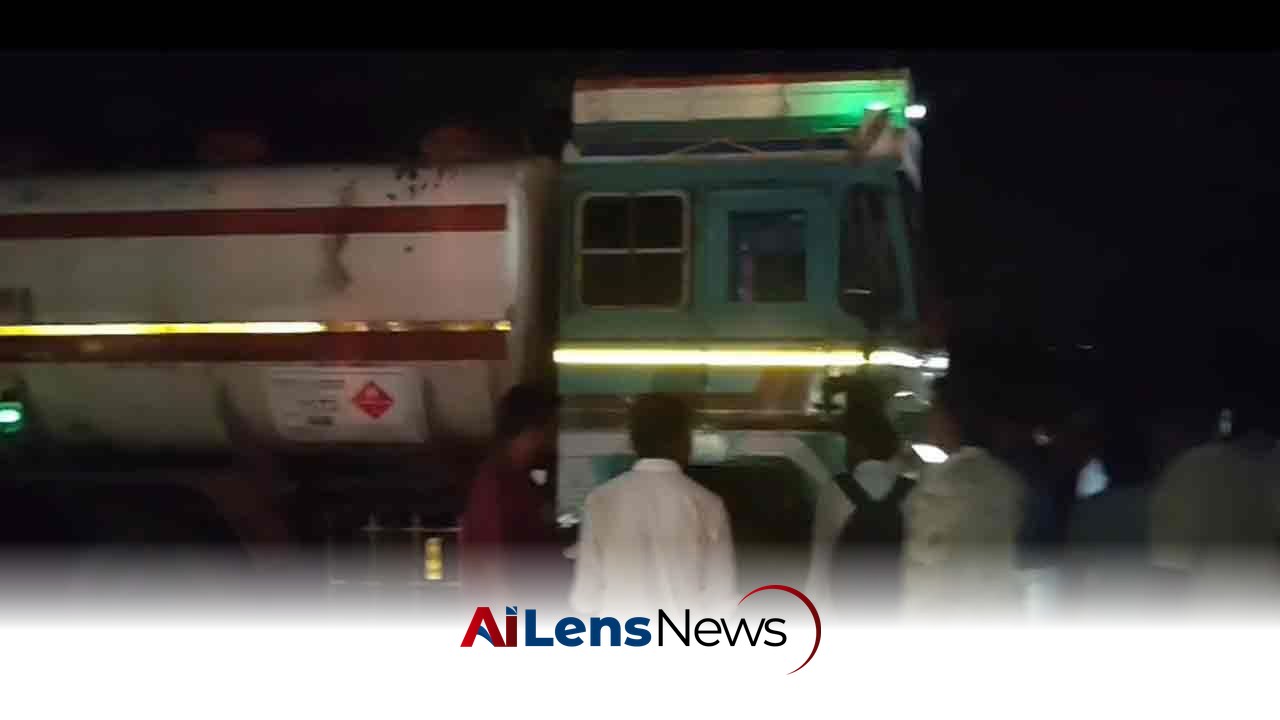


Two separate road accidents in Sangareddy district resulted in the deaths of seven individuals, including five women, with several others injured.
New Delhi, India Aug 11, 2026 ALN: Sangareddy: Seven persons died and several others were injured in two separate road accidents in the Zaheerabad area on Tuesday night. In the first incident, a speeding tanker hit a passenger auto carrying daily wagers while the auto was taking a ‘U’ turn near Satwar village of Mogudmpally mandal.
The auto was carrying around 12 daily wagers, 11 of them women, from Rajagiri area in Bidar district of neighbouring Karnataka State. While five of them died on the spot, the remaining sustained serious injuries. The deceased were Rekha, Sridevi, Kavitha, Reshma and auto driver Devadas. These women would travel to Zaheerabad in search of livelihood every day.
The police, who rushed to the spot, shifted the injured to various hospitals. The condition of several injured is also said to be critical. The death toll may go up by Wednesday.
In another incident, reckless driving cost the lives of two persons and left many injured as a car hit the road median and rammed into oncoming vehicles on the other side of the road on NH-65 at Kaveli in Kohir mandal on Tuesday night. While two persons died, several others sustained injuries in the mishap. At least four vehicles were damaged.
This series of tragic accidents has raised concerns about road safety in the region, prompting calls for stricter enforcement of traffic regulations.
The frequency of road accidents in India has been a growing concern for authorities and citizens alike. According to the Ministry of Road Transport and Highways, India has one of the highest rates of road traffic accidents in the world, with thousands of fatalities reported annually. The reasons for such high numbers are manifold, including reckless driving, poor road conditions, inadequate signage, and a lack of enforcement of traffic laws.
In the case of the first accident involving the passenger auto, the presence of a large number of daily wage workers, particularly women, highlights the socio-economic factors at play. Many individuals from rural areas travel to urban centers in search of work, often using shared transportation like autos. This reliance on such modes of transport can be risky, especially in regions where traffic regulations are not strictly enforced.
The victims, all of whom were commuting for work, underscore the vulnerability of daily wage workers in India. They often face long hours, low wages, and precarious working conditions, and now, tragically, they have also become victims of road accidents. The loss of five lives in one incident not only affects families and communities but also raises questions about the safety measures in place for those who are essential to the economy but often overlooked in discussions about worker safety.
In the second incident on NH-65, the reckless driving that led to a multi-vehicle crash is indicative of a broader issue of road safety. National Highways, while crucial for connectivity and economic activity, often see higher traffic volumes and speeds, increasing the likelihood of severe accidents. The fact that the car hit the road median and collided with oncoming traffic suggests a failure to adhere to safe driving practices, which is often exacerbated by factors such as speeding, driving under the influence, and distracted driving.
The aftermath of these accidents typically involves not only the immediate medical response but also investigations into the causes. Local law enforcement agencies usually conduct inquiries to determine if the drivers were at fault, whether they were under the influence of alcohol, or if there were other contributing factors such as road conditions or vehicle maintenance issues.
These incidents have prompted local authorities and road safety advocates to call for a renewed focus on traffic regulations and enforcement. Increased police presence on roads, stricter penalties for traffic violations, and public awareness campaigns about safe driving practices are among the measures being suggested. Additionally, improving road infrastructure, such as better signage, lighting, and road maintenance, can also play a crucial role in preventing future accidents.
In response to ongoing concerns about road safety, various state governments have been exploring initiatives aimed at enhancing the safety of road users. This includes campaigns to educate drivers about the dangers of speeding and reckless driving, as well as community-based programs that encourage safe transportation practices. However, the effectiveness of these measures often hinges on consistent implementation and public cooperation.
The tragic events in Sangareddy not only highlight the immediate human cost of road accidents but also serve as a reminder of the broader systemic issues that contribute to such tragedies. As communities mourn the loss of life, there is also a pressing need for collective action to address the underlying causes of road accidents and to ensure that those who rely on the roads for their livelihoods can do so with greater safety and security.
In conclusion, the recent accidents in Sangareddy District are a stark reminder of the critical importance of road safety. The loss of lives, particularly among vulnerable groups like daily wage workers, calls for urgent attention and action. It is imperative that authorities, community leaders, and citizens come together to advocate for safer roads and stricter enforcement of traffic regulations to prevent such tragedies in the future.
Road safety in India has been a critical issue for decades, with numerous campaigns launched to raise awareness and promote safer driving habits. Despite these efforts, the statistics remain alarming, with road accidents claiming over 150,000 lives annually, making it one of the leading causes of death in the country. The recent tragedies in Sangareddy serve as a grim reminder of the urgent need to address this crisis.
One of the significant challenges in improving road safety is the diverse nature of traffic conditions across different regions. Urban areas often face heavy congestion, leading to a higher likelihood of accidents, while rural areas may have poorly maintained roads that pose their own dangers. Additionally, the rapid increase in vehicle ownership, particularly in developing regions, has outpaced the improvement of road infrastructure, exacerbating the risk of accidents.
The socio-economic implications of road accidents extend beyond the immediate loss of life. Families affected by such tragedies often face financial hardships, especially when the deceased were primary earners. This situation is particularly acute for daily wage workers, who typically lack social security and insurance coverage. The psychological impact on families and communities can be profound, leading to long-term grief and economic instability.
Moreover, the cultural attitudes towards road safety in India can also complicate efforts to reduce accidents. In many cases, there is a lack of awareness regarding the importance of following traffic rules and the consequences of reckless behavior. This cultural mindset can hinder the effectiveness of educational campaigns aimed at promoting safer driving practices.
To combat these issues, a multi-faceted approach is needed. This includes not only stricter enforcement of existing traffic laws but also comprehensive education programs that target drivers, pedestrians, and passengers alike. Engaging community leaders and local organizations can help foster a culture of safety that prioritizes responsible behavior on the roads.
In addition to public awareness, investment in infrastructure is crucial. Government initiatives aimed at upgrading roads, improving signage, and enhancing lighting can significantly reduce the risk of accidents. Furthermore, the introduction of technology, such as traffic monitoring systems and speed cameras, can aid in enforcing traffic laws and deterring reckless driving.
In light of the recent accidents in Sangareddy, it is essential for local authorities to take immediate action to address the safety concerns raised by these tragedies. Community forums and discussions can be instrumental in gathering input from residents on their experiences and suggestions for improving road safety. By fostering collaboration between government agencies, law enforcement, and the community, it may be possible to develop effective strategies that prioritize the safety of all road users.
Ultimately, the goal should be to create an environment where individuals can travel safely and confidently, without the constant fear of accidents. The tragic loss of life in Sangareddy serves as a call to action for all stakeholders to work together towards a safer future on the roads.
To learn more about the latest developments in Crime & Law, stay updated with our exclusive reports and analyses on AiLensNews.

