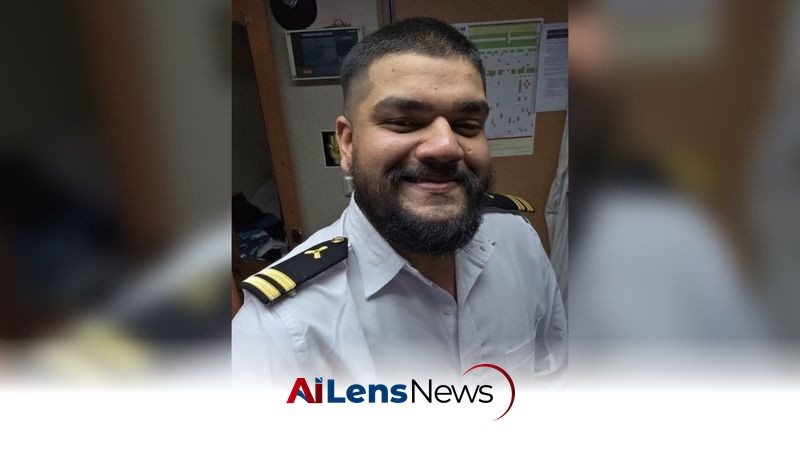


Before the tragic attack, sailor Herambh Karmarkar sent a reassuring message to his wife, confirming their safe passage through the Strait of Hormuz.
New Delhi, India Jul 15, 2026 ALN: In a heartbreaking turn of events, sailor Herambh Karmarkar sent a final message to his wife, expressing relief and safety just before a tragic attack on their vessel in the Strait of Hormuz. The message, sent shortly after the ship successfully navigated the strait, has left his family and friends in shock. This incident not only highlights the personal tragedy faced by Karmarkar's family but also raises significant questions about maritime safety in one of the world's most strategically important and volatile waterways.
According to family sources, Karmarkar's message conveyed a sense of calm and reassurance. He informed his wife that they had crossed the Strait of Hormuz safely, a vital waterway known for its strategic importance and the potential for maritime conflicts. The Strait of Hormuz is a narrow passage that connects the Persian Gulf with the Gulf of Oman and the Arabian Sea, making it a crucial conduit for global oil supplies. Approximately 20% of the world's oil passes through this strait, underscoring its significance in international trade and energy security.
Historically, the Strait of Hormuz has been a flashpoint for geopolitical tensions, particularly involving Iran, the United States, and neighboring Gulf states. The region has witnessed numerous incidents, including naval confrontations, piracy, and attacks on commercial vessels, often linked to broader political disputes. In recent years, the situation has escalated, with various nations increasing their military presence in the area to ensure the safety of maritime operations. The geopolitical landscape surrounding the strait is complex, influenced by factors such as energy politics, regional rivalries, and international diplomatic efforts.
Details surrounding the attack remain unclear, but it has raised concerns about the safety of maritime operations in the region. Eyewitness accounts and preliminary reports suggest that the attack occurred shortly after Karmarkar's vessel had safely navigated the strait. The nature of the attack—whether it was a missile strike, a drone attack, or another form of aggression—has not been confirmed, but the implications are profound. Such incidents not only threaten the lives of those onboard but also have far-reaching effects on global shipping routes and oil prices.
The attack on Karmarkar’s vessel is part of a troubling trend. In the past few years, there have been increased reports of hostile actions against commercial shipping in the Strait of Hormuz. This has prompted calls from various maritime organizations and governments for enhanced security measures, including naval escorts for vulnerable vessels and greater intelligence-sharing among nations operating in the region. The international maritime community is now facing the pressing challenge of balancing the need for free navigation with the imperative of ensuring safety in a region fraught with conflict.
The news of Karmarkar's death has plunged his family into mourning. His wife, who received the last message, described it as a bittersweet reminder of the dangers faced by those in maritime professions. "He was always so reassuring, and now this feels unreal," she stated. The emotional toll on Karmarkar's family is immeasurable, as they grapple with the sudden loss of a loved one who was dedicated to his profession and the well-being of his family.
In addition to the immediate family, Karmarkar's death has resonated within the broader maritime community. Many sailors and their families understand the risks associated with working in high-tension areas, yet the reality of such a tragedy brings the dangers into sharp focus. It serves as a reminder of the sacrifices made by those who choose to work at sea and the toll it can take on their loved ones. The maritime profession is often romanticized, but incidents like this starkly highlight the inherent risks involved.
This incident highlights the ongoing risks that sailors face in high-tension areas. The maritime community is calling for increased safety measures and better protection for vessels operating in such volatile regions. Advocacy groups are urging governments and international organizations to take decisive action to improve maritime security, including the establishment of safe corridors for commercial shipping and enhanced military presence to deter aggressive actions against vessels. The need for international cooperation in ensuring maritime safety has never been more critical.
Moreover, the incident may prompt a reevaluation of international maritime laws and regulations governing operations in conflict-prone areas. The United Nations and other international bodies may need to convene discussions focused on creating frameworks that not only ensure the safety of navigation but also address the underlying geopolitical tensions that contribute to instability in the region. The balance of power in the Strait of Hormuz is delicate, and any escalation could have significant consequences for global trade.
The tragic loss of Herambh Karmarkar serves as a stark reminder of the inherent dangers of maritime work, especially in regions fraught with conflict. His final message will forever resonate with those who loved him, encapsulating both the calm before the storm and the unpredictability of life at sea. As the maritime community mourns his loss, it also reflects on the urgent need for measures that can protect sailors and ensure safe passage through one of the world's most critical waterways.
As the investigation into the attack unfolds, there will be a collective hope that Karmarkar's death will not be in vain, and that it will lead to concrete actions aimed at preventing future tragedies. The maritime industry, governments, and international organizations must work collaboratively to enhance safety protocols, ensuring that sailors can operate in these vital corridors without fear for their lives. The legacy of sailors like Karmarkar should be one that inspires change and promotes safety at sea, safeguarding the lives of those who dedicate themselves to this noble profession.
To learn more about the latest developments in Crime & Law, stay updated with our exclusive reports and analyses on AiLensNews.

