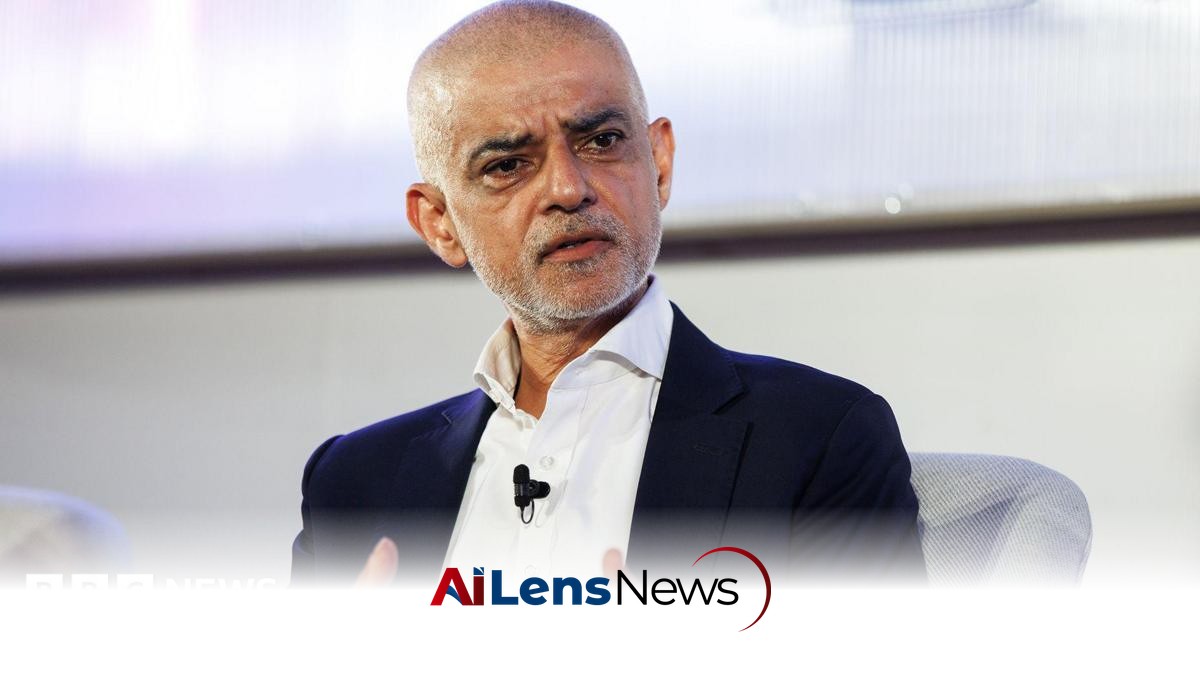


London Mayor Sadiq Khan is among 26 new peers nominated for the House of Lords, alongside notable figures like June Sarpong and Christina McAnea.
New Delhi, India Jul 16, 2026 ALN: London Mayor Sir Sadiq Khan is one of 26 new peers to be given seats in the House of Lords in one of Sir Keir Starmer's last acts as prime minister.
Sir Sadiq has been nominated to become a Labour Lord alongside 15 others, including broadcaster June Sarpong and former union chief Christina McAnea. This appointment marks a significant development in the political landscape of the United Kingdom, particularly as it coincides with a transition of leadership within the Labour Party.
Joining the House of Lords would allow Sir Sadiq to assume a government ministerial role, should he choose to do so. However, reports indicate that he is not currently seeking a position in Andy Burnham's incoming government. This decision underscores a focus on his responsibilities as Mayor of London, where he has been serving since his election in 2016 and is currently in the midst of his third term.
The government has also announced five new peers from the Liberal Democrats, three from the Conservatives, and two cross-bench members: the former cabinet secretary Sir Chris Wormald and Sir Brian Leveson, a retired senior judge. This diverse array of appointments reflects an ongoing effort to ensure representation from various sectors and political alignments within the upper chamber of Parliament.
Downing Street published a list of the nominations, stating that the King "has been graciously pleased to signify his intention of conferring peerages". This formal language is customary in the context of peerage appointments and highlights the role of the monarchy in the legislative process, albeit as a ceremonial figurehead in modern UK governance.
The nominations come as Sir Keir prepares to leave office on Monday, when Burnham is due to become the next prime minister. Sir Keir's leadership has been marked by significant challenges, including navigating internal party dynamics and responding to the evolving political landscape in the UK, particularly in the wake of Brexit and the COVID-19 pandemic.
Sir Sadiq's nomination was among the most eye-catching on the list. The former Labour MP is mid-way through his third term as London mayor, having first been elected in 2016. The BBC has been informed that he has not yet decided whether he wants to seek a fourth term as mayor in 2028. This uncertainty about his future electoral ambitions may reflect broader considerations about his role in national politics versus local governance.
A government source praised Sir Sadiq as "a brilliant mayor who has transformed London for the better" and asserted that his peerage was "thoroughly deserved". These accolades highlight his achievements during his tenure, which include initiatives aimed at reducing violent crime, improving air quality in London, and enhancing public transport infrastructure through projects like the Elizabeth Line. His focus on housing has also been notable, as he has worked to increase the availability of council homes in a city grappling with a housing crisis.
A spokesperson for the mayor stated that Sir Sadiq was "honoured to be given a peerage" and expressed enthusiasm about future contributions he could make. "He is excited about what more can be delivered in the years ahead and he will devote his time and energy to standing up for our city and building a fairer, safer and greener London for everyone," the spokesperson said. This commitment to public service aligns with the broader goals of the Labour Party, which seeks to address social inequalities and improve the quality of life for all citizens.
The BBC has reported that this list of nominations was a cross-party effort that had been in development prior to Sir Keir's announcement of his resignation as Labour leader last month. This suggests a level of continuity in the political process, even as leadership changes occur. Importantly, it is noted that this list represents "political peerages" rather than the traditional resignation honours that outgoing prime ministers typically bestow. This distinction is significant as it indicates a strategic approach to appointments that may be aimed at enhancing the functionality and representativeness of the House of Lords.
This announcement follows Sir Keir's previous comments regarding the distribution of resignation honours, where he acknowledged the difficulty of justifying such awards. His stance reflects a growing sentiment among the electorate regarding transparency and accountability in political appointments.
Reform UK, a political party that has positioned itself as a challenger to the established parties, was not granted any peerages in the list published. Reform UK leader Nigel Farage criticized the appointments as reflective of a "uniparty" system, arguing that they contribute to an increasingly unrepresentative upper house. His comments highlight ongoing tensions within the UK political landscape, where calls for reform and greater representation continue to resonate with certain segments of the population.
Liberal Democrat leader Sir Ed Davey expressed his satisfaction with the appointment of new peers from his party, including agricultural economist Julia Aglionby and former Barnsley councillor Hannah Kitching. He emphasized that these individuals possess the necessary skills and values to help hold the government accountable and drive necessary changes in the political system, including efforts to reform the House of Lords. This reflects the Liberal Democrats' long-standing commitment to political reform and their vision for a more equitable political system.
The Conservative Party also welcomed new appointments, including General Sir Patrick Sanders, who has been made a peer alongside business figures like David Ross and academic Swaran Singh. A Conservative Party spokesman expressed confidence that these new members would bring valuable experience from their respective fields, contributing to the legislative process in the House of Lords.
Members of the House of Lords are generally appointed by the King on the advice of the prime minister. Once a nominee passes vetting, appointments to the Lords are formalized by the King. This process is emblematic of the constitutional monarchy in the UK, where the monarch's role is largely ceremonial, yet still plays a significant part in the legislative framework.
In 2022, Labour announced plans to abolish the House of Lords, proposing a "new, reformed upper chamber". However, this commitment has been moderated, with Labour now suggesting it would consider plans for an alternative second chamber while simultaneously eliminating the 92 hereditary peerages that had historically been part of the Lords. This shift indicates a recognition of the need for reform while also acknowledging the complexities involved in overhauling a long-standing institution.
Incoming Prime Minister Andy Burnham has voiced strong opinions about the necessity for a complete overhaul of the unelected House of Lords, stating, "I don't think we can justify half of our national legislature being unelected." His remarks suggest a growing consensus among some political leaders that reforming the House of Lords is not only necessary but urgent, particularly in the context of modern democratic principles.
The Electoral Reform Society has expressed concerns regarding the latest appointments to the Lords, suggesting that Labour's supporters may be perplexed by these developments given the party's stated commitment to reform. Darren Hughes, chief executive of the Electoral Reform Society, emphasized the importance of the next prime minister delivering on the promise of reforming the Lords into a smaller, more democratic chamber that is representative and accountable to the public. This call for reform resonates with ongoing debates about the legitimacy and functionality of the House of Lords in contemporary British politics.
To learn more about the latest developments in Politics, stay updated with our exclusive reports and analyses on AiLensNews.

