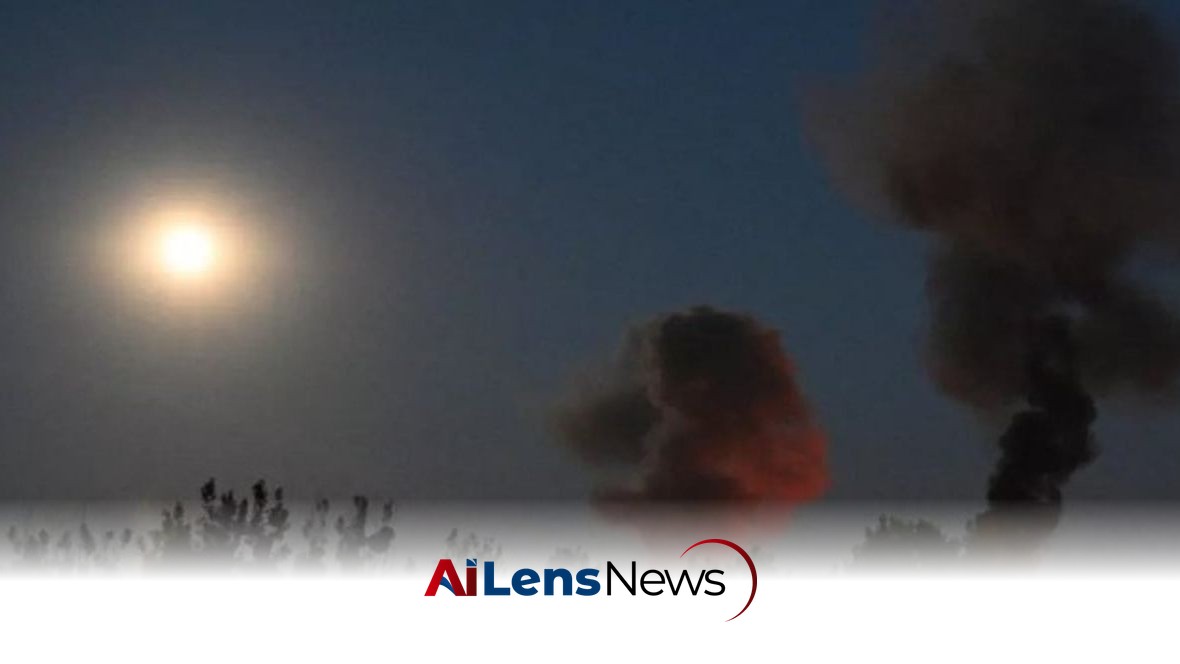


Recent Russian missile strikes across Ukraine have resulted in at least eight fatalities and numerous injuries, prompting warnings from President Zelensky about further attacks.
New Delhi, India Jul 30, 2026 ALN: Russian strikes killed at least eight people and wounded more than a dozen others across Ukraine, authorities said on Thursday, after President Volodymyr Zelensky warned of Moscow launching another massive attack overnight. This latest wave of violence underscores the ongoing conflict that has plagued Ukraine since 2014, when Russia annexed Crimea and pro-Russian separatists began fighting in eastern Ukraine. The situation escalated dramatically in February 2022 when Russia launched a full-scale invasion, leading to widespread destruction and a humanitarian crisis.
A ballistic missile struck a village house near the central city of Kryvyi, killing four adults and two girls aged five and 12, local officials said. The attack on civilian infrastructure highlights the indiscriminate nature of the conflict, where non-combatants often bear the brunt of military actions. Eight other people were wounded in the attack, Kryvyi Rig's defence council reported, warning "the death toll may rise" as rescue operations continue and more victims may be trapped under the rubble. Such incidents are becoming increasingly common as Russia intensifies its aerial bombardments, aiming to demoralize the Ukrainian population and disrupt daily life.
Officials in Ukraine's eastern Poltava region, meanwhile, reported one fatality due to a drone strike on a warehouse, illustrating the multifaceted nature of the conflict where various types of weaponry are employed. At least 15 people were wounded in attacks on the western city of Lviv, a city that has been relatively insulated from the direct impacts of the war until recent months. The strikes on Lviv signify a troubling trend as Russian forces extend their reach to areas previously considered safe from direct attacks.
Kyiv's city military administration confirmed one person was killed and two others wounded in the capital after Mayor Vitali Klitschko stated that Russia was "attacking the capital with ballistic weapons." This development is particularly alarming given Kyiv's symbolic significance as the heart of Ukraine's political and cultural identity. "The threat of further attack remains present. Stay in shelters!" Klitschko urged residents early Thursday, adding that there were fires in several districts of the city. The call to seek shelter reflects the pervasive anxiety among residents as air raid alerts become a grim part of daily life.
Five other people were reported wounded in attacks in an eastern Kyiv district, further highlighting the indiscriminate nature of the strikes. As the conflict drags on, the psychological toll on civilians is mounting, with many experiencing trauma from repeated exposure to violence and destruction. "The Russians prepared a massive attack several days ago, and there is a high probability that the strike will be carried out tonight," Zelensky said in a post on X late Wednesday, urging citizens to remain vigilant. "Please, in all regions of Ukraine, pay attention to air raid alerts today and stay safe." This call for caution underscores the precarious situation in which Ukrainians find themselves, living under the constant threat of aerial assaults.
Zelensky in his post reiterated his request to Ukraine's allies to supply Kyiv with the missiles its air defense system lacks. The urgency of this appeal is underscored by the increasing sophistication of Russian missile technology and tactics, which have evolved to bypass existing defensive measures. The need for advanced air defense systems, such as the American Patriot missiles, has become a focal point in Ukraine's strategy to protect its cities and civilians from aerial bombardments.
In a significant diplomatic development, Zelensky spoke on Tuesday with American counterpart Donald Trump at the White House and discussed the possibility of Ukraine producing Patriot interceptors. This conversation indicates a potential shift in U.S. policy and support for Ukraine, which may enhance its defensive capabilities in the face of ongoing aggression. However, the complexities of international arms agreements and production timelines mean that any tangible results from this dialogue may take time to materialize.
Increasing Attacks
An AFP journalist in the capital heard air raid sirens, followed by several explosions, a stark reminder of the current realities faced by residents. Photos shared by the city's emergency service on Thursday showed firefighters blasting water into bombed buildings and sifting through rubble, a scene that has become all too familiar in many Ukrainian cities. The destruction of infrastructure not only poses immediate risks to safety but also has long-term implications for recovery and rebuilding efforts.
Last month was the deadliest for civilians in Ukraine since April 2022, as Moscow ramped up its long-range strikes on towns and cities across Ukraine, according to the United Nations. The increase in civilian casualties is a grim statistic that underscores the human cost of the ongoing conflict, which has already displaced millions and led to significant loss of life. The international community has expressed concern over these developments, with calls for accountability and a renewed focus on diplomatic solutions to end the hostilities.
Ukraine has escalated its retaliatory strikes on Russia in recent months, partly to pressure Moscow to the negotiating table after nearly four-and-a-half years of war. This tit-for-tat escalation has raised fears of a broader regional conflict, as both sides appear entrenched in their positions. In early July, Trump had expressed his intention to allow Ukraine to make surface-to-air missiles, at a time when Russia had stepped up its ballistic missile strikes. This potential shift in U.S. policy could alter the dynamics of the conflict, but it also raises questions about the implications for regional security and the balance of power.
Only the American Patriot systems are capable of shooting down advanced ballistic missiles, but Ukraine is desperately short of PAC-3 interceptor missiles, which are crucial for effective defense against the current wave of attacks. This shortage has also worsened since the war launched by the United States and Israel against Iran in February, which has diverted attention and resources away from Ukraine. The complexities of international arms supply chains and geopolitical considerations mean that Ukraine's defense capabilities remain precarious.
Zelensky stated on Tuesday that he had a "good meeting" with Trump and mentioned that the U.S. president "accepted that he will give us (Patriot) licenses." This development could potentially pave the way for Ukraine to enhance its air defense capabilities, but the timeline and feasibility of such agreements remain uncertain. As the conflict continues, the need for international support and solidarity with Ukraine becomes increasingly critical, as the nation grapples with the devastating impacts of war on its people and infrastructure.
To learn more about the latest developments in Crime & Law, stay updated with our exclusive reports and analyses on AiLensNews.

