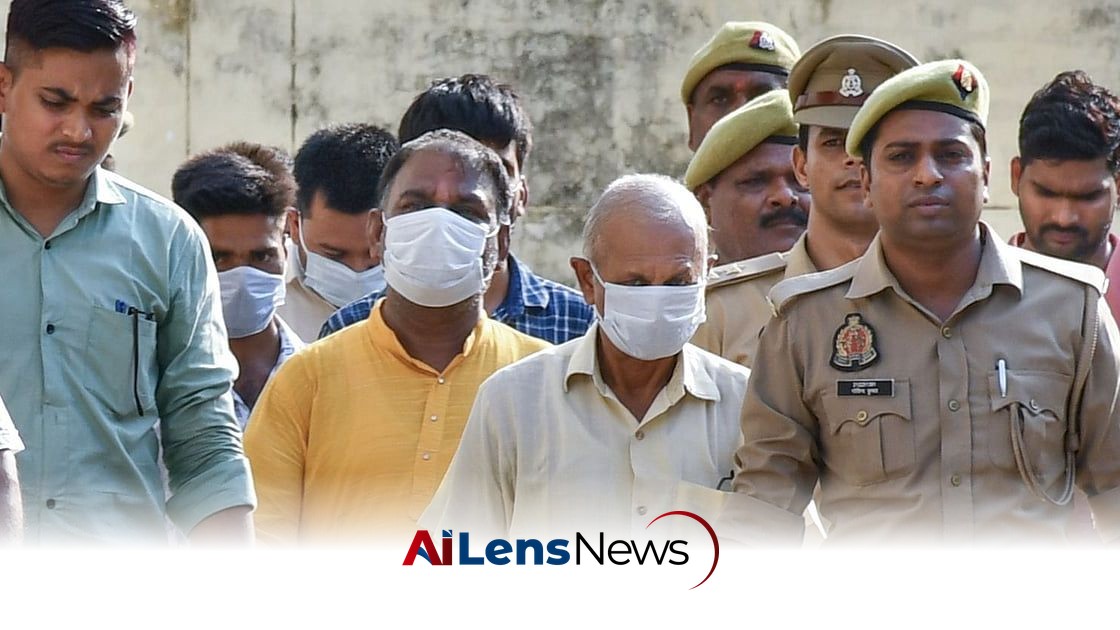


A Special Investigation Team is set to question trust members amid allegations of donation misappropriation at the Ram temple in Ayodhya.
New Delhi, India Jul 13, 2026 ALN: A Special Investigation Team (SIT) probing the alleged embezzlement of donation money at the Ram temple in Ayodhya may question people associated with the Shri Ram Janmabhoomi Teerth Kshetra Trust in the coming days, official sources said. This investigation has garnered significant attention, given the temple's prominence in Indian culture and politics, and the sensitive nature of financial dealings surrounding religious institutions.
The SIT is expected to revisit Ayodhya to examine records and question trust functionaries and others connected with the donation management system, sources said on Sunday. The temple, which is considered one of the holiest sites for Hindus, has been the focus of intense public interest and scrutiny, particularly following the Supreme Court's landmark decision in 2019 that paved the way for its construction on disputed land.
Headed by Lucknow Divisional Commissioner Vijay Vishwas Pant, the SIT was constituted by the Uttar Pradesh government on June 13 following allegations of misappropriation of cash and valuables donated at the temple. The formation of the SIT reflects the government's commitment to transparency and accountability in managing funds associated with religious institutions, which are often seen as vulnerable to financial misconduct.
The team submitted its preliminary inquiry report to the state government on June 23, with Pant handing it over to Additional Chief Secretary (Home) Sanjay Prasad. The preliminary findings have raised serious concerns about the management of donations, leading to increased scrutiny of the trust's financial practices. At the time, Pant had said the final report would be submitted after further investigation. On July 1, the state government extended the SIT's tenure by 15 days to complete the probe, indicating the complexity and depth of the investigation.
The alleged embezzlement has also prompted the trust to review its banking arrangements for donations. Currently, all cash collected from the temple's donation boxes is deposited with the State Bank of India (SBI) branch at Naya Ghat in Ayodhya. In light of the allegations, the trust is now exploring alternatives, including engaging another bank or distributing deposits across multiple banks. This move is significant as it reflects the trust's acknowledgment of the need for improved financial oversight and security in handling large sums of cash.
The review follows a meeting between trust treasurer Govind Dev Giri and officials of a private sector bank in Ayodhya earlier this week, sources said. Such discussions are critical as they may lead to more robust financial practices and safeguards that can prevent future misappropriation of funds.
The situation has been exacerbated by statements from former trust general secretary Champat Rai, who, in his statement to the SIT, alleged that SBI had failed to enforce basic cash-handling safeguards. He pointed out issues such as the lack of mandatory frisking of counting staff, pocketless uniforms, and other security protocols for high-value cash operations. These allegations highlight significant lapses in the financial management practices of the trust and raise questions about the oversight mechanisms in place to protect the temple's donations.
The SIT's preliminary report also flagged repeated violations of security procedures during cash counting and examined whether lapses in supervision contributed to the alleged theft, according to sources. Investigators are not only focusing on the immediate allegations of embezzlement but are also looking into the broader implications of these lapses on the trust's credibility and the trust of devotees who contribute financially to the temple.
Meanwhile, police have widened the financial investigation by seeking details of the accused persons' income, bank accounts, movable and immovable properties, and investments from the Income Tax Department, banks, tehsil offices, and sub-registrar offices. This comprehensive approach is aimed at uncovering any potential money laundering or other financial crimes that may have been committed in connection with the alleged embezzlement. Eight people, including trust employees associated with the temple's donation-counting process, have been arrested in the case so far, indicating the seriousness of the allegations and the commitment of law enforcement to address the issue.
Investigators are also verifying possible assets outside the Ayodhya district and examining whether any suspicious investments were made in the names of relatives or associates of the accused persons. This aspect of the investigation is crucial, as it could reveal networks of financial misconduct that extend beyond the immediate trust and its employees.
The police have so far recovered about Rs 80 lakh in cash and some jewellery from some of the accused. Such recoveries are significant as they may represent a portion of the misappropriated funds, and they underscore the need for rigorous financial controls and audits within the trust.
Investigators are matching banking transactions, land records, property registrations, revenue documents, and vehicle registrations to determine whether the assets held by the accused are disproportionate to their known sources of income. This forensic approach is essential in establishing a clear link between the alleged embezzlement and the financial status of the accused, which could lead to further legal repercussions.
Separately, the Shri Ram Janmabhoomi Temple in Mathura has implemented changes in its security protocol, barring devotees' entry on VIP passes issued through the identification credentials of former trust general secretary Champat Rai, Gopal Rao, and trustee Dr. Anil Mishra. The IDs used to issue such passes were deactivated after the three resigned from their positions, rendering previously issued passes invalid, according to sources. This move reflects an effort to restore public trust and ensure that access to the temple is regulated more effectively in light of the recent allegations.
The police have sought a seven-day custodial remand of two jailed accused, saying fresh disclosures made during the investigation require verification and recovery of evidence. The Anti-Corruption Court has fixed July 14 for hearing the plea. This legal development indicates that the investigation is ongoing and that authorities are actively pursuing all avenues to ensure accountability and transparency in the management of the temple's donations.
In conclusion, the ongoing investigation into the alleged embezzlement of donations at the Ram temple in Ayodhya raises critical questions about the management and oversight of financial activities within religious institutions. As the SIT continues its work, the implications of its findings could have far-reaching effects on public trust in the temple, the Shri Ram Janmabhoomi Teerth Kshetra Trust, and the broader community of devotees who support the temple financially. The outcome of this investigation may also prompt discussions on the need for stricter regulations governing financial practices within religious organizations, ensuring that donations are handled with the utmost integrity and accountability.
To learn more about the latest developments in Crime & Law, stay updated with our exclusive reports and analyses on AiLensNews.

