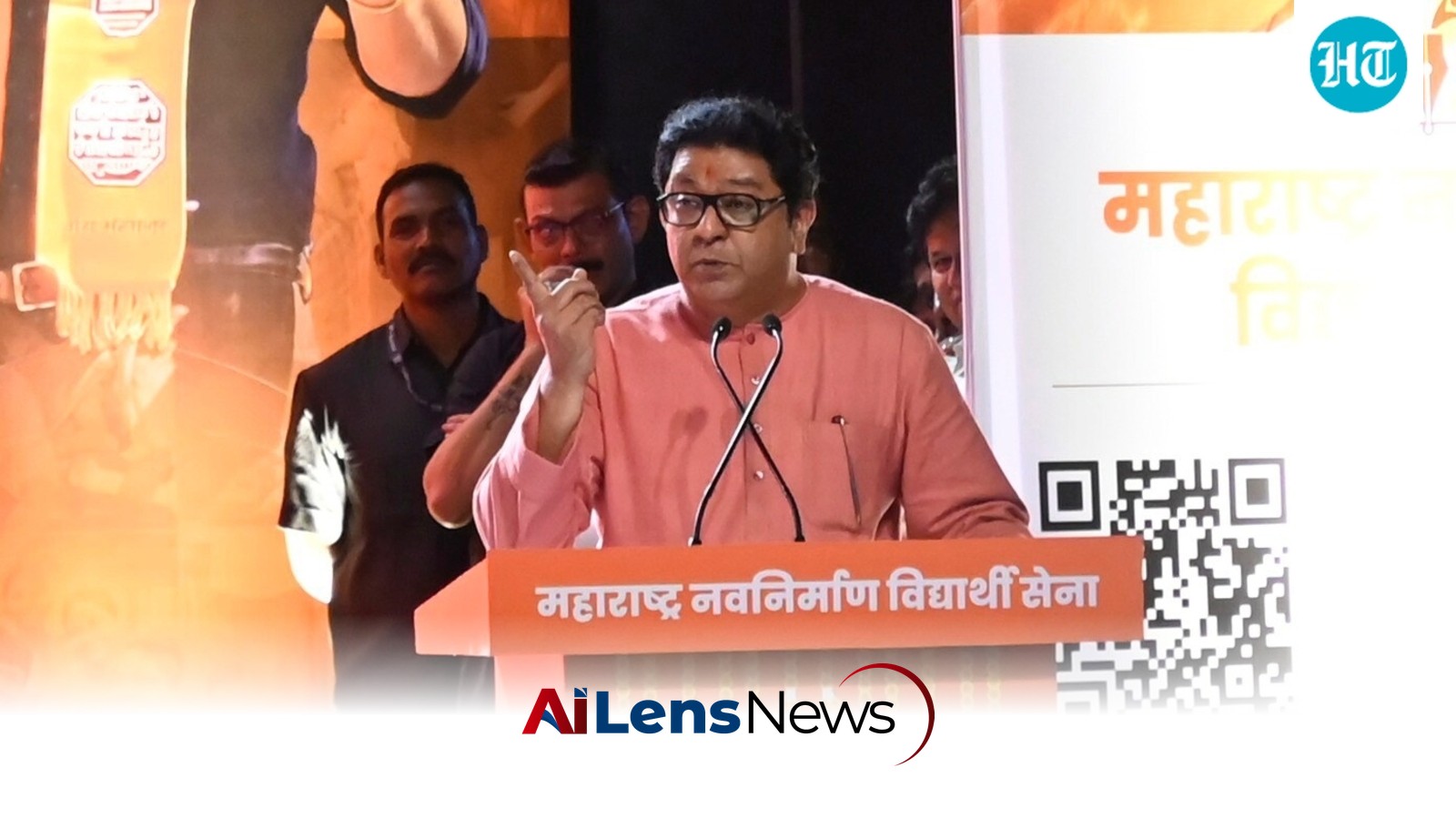


MNS leader Raj Thackeray alleges significant theft of donations at Mumbai's Siddhivinayak Temple, linking it to broader concerns about temple safety.
New Delhi, India Aug 2, 2026 ALN: Amid a growing controversy regarding alleged donation thefts at the Ram Temple in Ayodhya, Raj Thackeray, the founder of the Maharashtra Navnirman Sena (MNS), has made serious allegations regarding the financial integrity of another significant religious site in Mumbai—the Siddhivinayak Temple. Thackeray claimed that approximately ₹18 crore is being siphoned off annually from the temple's donations. This assertion comes at a time when the sanctity and security of religious establishments are under scrutiny, raising concerns about corruption within institutions that are often considered sacred.
Thackeray's comments were made in the context of his broader criticism of temple managements, particularly following reports that ₹1,400 crore had been embezzled from donations intended for the Ram Temple. His remarks reflect a growing sentiment among the public that even revered places of worship are not immune to financial misconduct. Thackeray urged Prime Minister Narendra Modi to address these pressing issues, emphasizing the need for transparency and accountability within temple administration.
In his statements, Thackeray highlighted the frustration of youth who, seeking solace and spiritual connection, are now confronted with the grim reality of corruption even in places of worship. The allegations come on the heels of a letter from eight trustees of the Siddhivinayak Temple, which detailed incidents of theft involving employees of the temple. According to Thackeray, the alertness of the trustees led to the apprehension of these employees, who were reportedly involved in stealing from the donation boxes. This incident has raised alarm bells about the internal controls and oversight mechanisms in place at such significant religious institutions.
Following the allegations, Sada Sarvankar, the chairman of the Siddhivinayak Temple Trust and a leader of the Shiv Sena faction led by Eknath Shinde, confirmed that nine employees had been arrested in connection with the theft. Sarvankar stated that cases have been filed wherever necessary, indicating a proactive approach by the temple trust to address the issue of theft and restore faith among devotees. Furthermore, he noted a significant increase in the temple’s weekly earnings, which reportedly rose from less than ₹50 lakh to ₹1.5 crore after the thefts were uncovered, suggesting that the temple's income has been positively impacted by the trust's efforts to combat corruption.
In terms of financial performance, Sarvankar provided data indicating that the temple's income has surged from ₹114 crore two years ago to ₹182 crore today. This increase could be attributed to various factors, including heightened public awareness and trust in the temple’s administration following the crackdown on theft. The trust's measures to enhance transparency and ensure that donations are utilized appropriately may also have contributed to this rise in financial contributions.
Meanwhile, the broader context of Thackeray's allegations cannot be ignored. The Ram Temple in Ayodhya has been a focal point of political and religious discourse in India, especially following its long-standing legal and social controversies. The recent arrests of multiple individuals involved in the alleged theft of donations at the Ram Temple have heightened tensions and drawn attention to the management of temple finances. Investigations are ongoing, and the implications of these thefts could have far-reaching effects on public trust in religious institutions.
Thackeray's remarks also come at a time when the political climate is charged, with opposition parties seizing the opportunity to criticize the ruling government. During the current monsoon session of Parliament, opposition MPs staged a skit portraying the alleged theft of donations at the Ram Temple, which has led to a series of legal actions. An FIR was lodged in Varanasi against prominent opposition figures, including Rahul Gandhi, Pappu Yadav, and Awadhesh Prasad, following complaints from local seers who accused them of insulting Sanatan Dharma through their protest actions.
Pappu Yadav, an Independent MP, participated in the skit dressed in saffron, performing in front of the Makar Dwar at the Parliament complex. The performance symbolically represented the alleged embezzlement, with Yadav slipping money into his pockets while other MPs placed money into donation boxes. This theatrical display has sparked outrage among some religious leaders, including seer Jagatguru Balak Das, who condemned the actions of the opposition MPs as an affront to the sanctity of Hindu beliefs.
As these events unfold, they raise critical questions about the governance of religious institutions in India. The allegations of theft and corruption could lead to a demand for greater oversight and regulation of temple finances, as well as calls for reforms to ensure that donations are managed transparently and ethically. With public trust in religious institutions at stake, the actions taken by temple trusts and government bodies in the coming months will be scrutinized closely.
In conclusion, Raj Thackeray's allegations regarding the Siddhivinayak Temple, coupled with the ongoing controversies surrounding the Ram Temple, highlight an urgent need for accountability in the management of religious donations. The intersection of faith and finance is a delicate balance that requires careful oversight to maintain public trust and ensure that the spiritual sanctity of these institutions is preserved. As investigations continue and political tensions rise, the implications of these allegations will likely reverberate through the political landscape of India for the foreseeable future.
The Siddhivinayak Temple, dedicated to Lord Ganesha, is one of Mumbai's most famous and revered temples, attracting millions of devotees and tourists each year. Established in 1801, it has become a cultural and spiritual landmark, symbolizing the city's rich heritage and devotion. The temple's financial operations have always been a matter of interest, given the substantial donations it receives. However, the recent allegations have put a spotlight on how these donations are managed and the integrity of those overseeing them.
The temple trust has historically been responsible for not just the management of funds but also the maintenance and development of the temple premises, which includes facilities for devotees and the preservation of its cultural significance. The financial integrity of such institutions is crucial, as they are often seen as custodians of public faith and trust. Any allegations of mismanagement or corruption can lead to a significant erosion of that trust, prompting calls for reforms and stricter oversight.
The implications of Thackeray's allegations extend beyond the Siddhivinayak Temple. They resonate with a broader narrative in India regarding the accountability of religious institutions. The political ramifications are also significant, as opposition parties may use such controversies to galvanize support and challenge the ruling government, particularly in an election year. The ongoing scrutiny of temple finances could lead to legislative changes aimed at enhancing transparency and accountability in religious organizations across the country.
As the situation develops, it will be crucial for the temple trust to implement robust measures to restore faith among devotees. This may include audits, transparent reporting of financial activities, and enhanced security measures to prevent theft. The trust's response to these allegations will not only impact the Siddhivinayak Temple but could also set a precedent for how similar institutions are governed in the future.
In summary, the allegations made by Raj Thackeray regarding the Siddhivinayak Temple, in conjunction with the ongoing issues surrounding the Ram Temple, underscore the critical need for reform and accountability in the management of religious donations in India. The intersection of faith and finance is a complex issue that requires careful navigation to ensure that the sanctity of religious institutions is upheld while maintaining public trust in their governance.
To learn more about the latest developments in Crime & Law, stay updated with our exclusive reports and analyses on AiLensNews.

