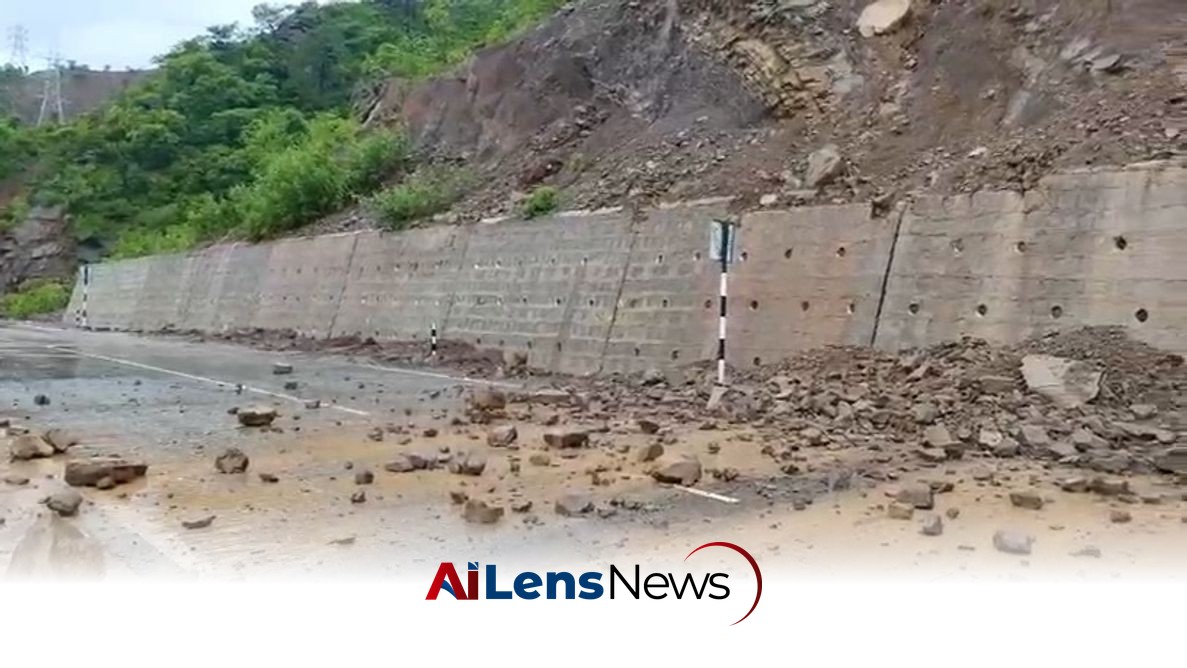


Heavy rains in the Ramban-Banihal sector have led to significant mudslides on National Highway 44, causing disruptions and safety concerns for travelers.
New Delhi, India Jul 22, 2026 ALN: Recent heavy rainfall in the Ramban-Banihal sector has resulted in serious mudslides along National Highway 44 (NH-44), creating hazardous conditions for motorists and prompting authorities to take immediate action. This incident is not an isolated occurrence but rather part of a broader pattern of extreme weather events that have increasingly affected this region, particularly during the monsoon season. The monsoon season in India typically spans from June to September, characterized by intense rainfall that can lead to various natural disasters, including landslides, flooding, and infrastructure damage.
The incessant rain has caused large boulders and debris to tumble onto the roadway, obstructing traffic and posing risks to vehicles traversing the area. Local officials have reported multiple incidents of mudslides, leading to significant delays and safety concerns for travelers. The Ramban-Banihal stretch of NH-44 is a crucial artery that connects the Jammu region with Kashmir, making it vital for both civilian and commercial transport. Disruptions in this area can have cascading effects on supply chains and emergency services, highlighting the importance of maintaining clear and safe transportation routes.
Authorities are currently assessing the situation and deploying teams to clear the debris and ensure the safety of the highway. The Jammu and Kashmir administration has mobilized resources to address the immediate challenges posed by the mudslides. This includes the deployment of heavy machinery and personnel trained in disaster management. Motorists are advised to exercise caution and consider alternative routes until the situation stabilizes. The potential for further mudslides remains high as the region continues to experience heavy rain, which raises concerns about the stability of the surrounding hillsides. This is particularly relevant in light of the geological characteristics of the area, which is prone to landslides due to its steep terrain and loose soil composition.
This weather event highlights the ongoing challenges posed by heavy rainfall in the region, particularly during the monsoon season. The local government is urging residents and travelers to remain vigilant and stay updated on weather forecasts and road conditions. Historical data shows that the frequency and intensity of such weather events have increased in recent years, raising alarms about climate change and its impacts on local weather patterns. The changing climate is believed to contribute to more erratic weather, including heavier rainfall over shorter periods, which exacerbates the risks of flooding and landslides.
Efforts are underway to restore normalcy on NH-44, with road clearance operations expected to commence as soon as conditions allow. The public is encouraged to follow official updates for the latest information on travel advisories and road safety. It is essential for travelers to remain patient and understand that safety measures are being prioritized. Local officials have emphasized the importance of adhering to traffic regulations and heeding warnings about road closures, as these measures are in place to protect lives. The local administration is likely to implement a systematic approach to road clearance, which may include assessing the stability of the hillsides before allowing traffic to resume.
As the region continues to experience adverse weather, residents are reminded to prepare for potential further disruptions and to prioritize safety above all. This includes having emergency kits ready, being aware of evacuation routes, and staying informed about local weather conditions. Community awareness and preparedness can significantly mitigate the risks associated with such natural disasters. Local community organizations may also play a role in educating residents about disaster preparedness and response strategies, fostering a culture of resilience.
In addition to immediate safety concerns, the mudslides and heavy rainfall have broader implications for infrastructure and development in the region. The frequent occurrence of such weather events raises questions about the resilience of transport networks and the need for improved engineering solutions to prevent future disruptions. Authorities may need to consider long-term strategies, such as better drainage systems, slope stabilization projects, and improved weather forecasting technologies to enhance the region's capacity to cope with extreme weather. The integration of advanced technology in monitoring weather patterns and geological stability could prove beneficial in predicting and mitigating the impacts of future weather events.
Moreover, the economic impact of these disruptions cannot be overlooked. The Ramban-Banihal area is not only a transit point but also a hub for local businesses that rely on the highway for trade and commerce. Prolonged closures can lead to financial losses for these businesses, affecting livelihoods and the overall economic stability of the region. Policymakers will need to evaluate the economic implications of such weather events and consider investing in infrastructure that can withstand the increasing unpredictability of weather patterns. This may involve allocating funds for infrastructure upgrades and engaging in public-private partnerships to enhance regional resilience.
As the situation develops, it is crucial for local authorities to maintain clear communication with the public. Regular updates on road conditions, safety advisories, and weather forecasts will be essential in helping residents and travelers make informed decisions. Social media platforms and local news outlets can serve as effective channels for disseminating this information quickly and efficiently. The establishment of a dedicated communication strategy during emergencies can help ensure that vital information reaches those affected in a timely manner.
In conclusion, the recent mudslides in the Ramban-Banihal area serve as a stark reminder of the vulnerabilities faced by communities in regions prone to heavy rainfall and landslides. The immediate focus is on clearing the roads and ensuring safety, but there is also a pressing need for long-term strategies to enhance resilience against future extreme weather events. As climate change continues to influence weather patterns globally, the lessons learned from such incidents will be invaluable in shaping policies and practices aimed at safeguarding lives and infrastructure in the future. Overall, a multi-faceted approach that includes emergency preparedness, infrastructure investment, and community engagement will be essential in addressing the challenges posed by extreme weather in this vulnerable region.
To learn more about the latest developments in Transport & Mobility, stay updated with our exclusive reports and analyses on AiLensNews.

