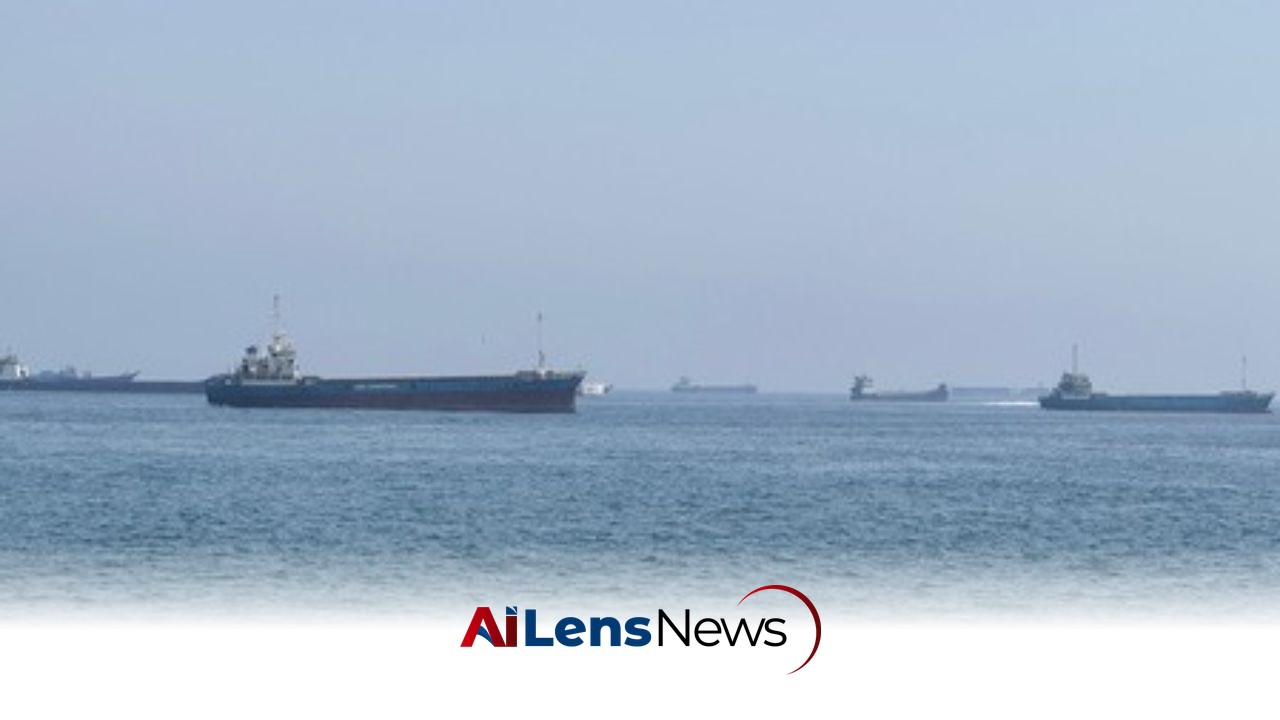


Heramb Karmarkar, a marine engineer from Pune, has been confirmed dead following an attack on the GFS Galaxy vessel in the Strait of Hormuz. His family calls for his body to be returned with dignity.
New Delhi, India Jul 15, 2026 ALN: Pune: Heramb Karmarkar, a marine engineer hailing from Pune, has been confirmed dead after going missing following an attack on the merchant vessel GFS Galaxy near the coast of Oman in the strategically significant Strait of Hormuz. His family received the devastating news on Wednesday, prompting an outpouring of grief and calls for the Indian government to ensure that his body is returned home with dignity and respect.
The GFS Galaxy, which was carrying a crew of Indian nationals among others, was attacked on Sunday. The Ministry of External Affairs (MEA) reported that while ten Indian crew members were successfully rescued, one individual remained unaccounted for until the tragic confirmation of Karmarkar's death. This incident not only highlights the dangers faced by maritime workers but also underscores the broader implications of security in international waters.
Karmarkar’s father-in-law, Vivek Tandon, confirmed the heartbreaking news, stating, “He was a 30-year-old young man, not an elderly person. Our only request to the Government of India is that his body be handed over to us intact and brought home.” This plea reflects the deep sense of loss and the desire for closure that families often experience in such tragic circumstances. The emotional weight of such incidents is particularly heavy for families, who must navigate their grief while also demanding accountability and action from their government.
In response to the attack, India has condemned the incident, labeling the ongoing assaults on commercial shipping in the region as “deeply worrisome.” The MEA indicated that the Indian Embassy in Oman is actively monitoring the situation and is in coordination with Omani authorities for ongoing search and rescue operations. They also expressed gratitude to the Omani authorities for their assistance during this difficult time. The involvement of the Indian government is a crucial aspect, as it reflects its commitment to the safety of its nationals abroad, especially in regions known for geopolitical instability.
The Indian Embassy in Oman has been proactive in its response, utilizing social media to communicate its efforts in closely following the incident involving the GFS Galaxy. They have maintained contact with Omani officials, the vessel’s management, and other stakeholders to provide all possible support and assistance to the affected families. This level of engagement is crucial, as it demonstrates the Indian government’s commitment to the welfare of its citizens abroad, especially in times of crisis.
The attack on the GFS Galaxy has been attributed to Iran’s Islamic Revolutionary Guard Corps (IRGC), according to reports from the US Central Command. The vessel, which is flagged in Cyprus, was targeted while transiting the Strait of Hormuz, a vital maritime chokepoint for global energy security, as it carries approximately one-fifth of the world’s traded oil. The Strait has long been a flashpoint for geopolitical tensions, particularly between Iran and Western nations, and this incident further exacerbates concerns over the safety of commercial shipping in the area. The IRGC's involvement in such attacks is part of a broader pattern of aggressive maritime behavior that has raised alarms among international shipping entities.
The US Central Command issued a statement asserting, “Iran was provided yet another opportunity to demonstrate adherence to the Memorandum of Understanding after being held accountable for earlier attacks on commercial vessels but has again failed. In response, the United States is imposing a heavy cost by continuing to degrade Iran’s ability to attack civilian mariners and commercial ships freely transiting the strait.” This statement reflects the ongoing struggle between Iran and the US, where maritime security has become a focal point of contention. The United States has consistently sought to ensure the freedom of navigation in the Strait of Hormuz, often deploying naval assets to the region in response to threats against commercial shipping.
The incident has raised significant concerns amid heightened tensions in the region, emphasizing the precarious nature of maritime security in the Strait of Hormuz. The potential for similar attacks in the future looms large, as various nations navigate the complex interplay of military presence and economic interests in these waters. The safety of merchant vessels and their crews is paramount, and incidents like the attack on the GFS Galaxy serve as stark reminders of the risks involved in international shipping. The maritime industry has long been aware of these risks, yet the recent escalation in attacks has prompted calls for more robust international security measures.
As the family mourns the loss of Karmarkar, they hope for a respectful return of his remains. This tragedy has not only impacted his immediate family but also resonates with the larger community of marine engineers and seafarers who face similar dangers in their line of work. The emotional toll of such incidents is profound, as families are left to grapple with the uncertainty and fear that accompany the profession. The loss of Karmarkar is a stark reminder of the human cost associated with maritime operations, particularly in conflict-prone regions.
The implications of this attack extend beyond the personal tragedy faced by Karmarkar’s family. It raises questions about the effectiveness of international maritime security measures and the responsibility of governments to protect their citizens abroad. The Indian government’s response will be closely scrutinized, as families and communities seek reassurance that their loved ones are safe while working in potentially volatile regions. The incident may also prompt discussions about the need for enhanced collaboration among nations to secure maritime routes that are vital for global trade.
In conclusion, the confirmation of Heramb Karmarkar's death serves as a poignant reminder of the risks faced by those in the maritime industry. The attack on the GFS Galaxy not only highlights the immediate dangers of maritime operations but also reflects the broader geopolitical tensions that continue to shape the security landscape in the Strait of Hormuz. As investigations into the incident continue, the hope remains that measures will be taken to enhance the safety and security of commercial shipping in this critical region, ensuring that such tragedies do not occur in the future. The international community must come together to address the challenges posed by maritime threats, fostering an environment where seafarers can operate without fear of violence or aggression.
To learn more about the latest developments in World News & International Affairs, stay updated with our exclusive reports and analyses on AiLensNews.

