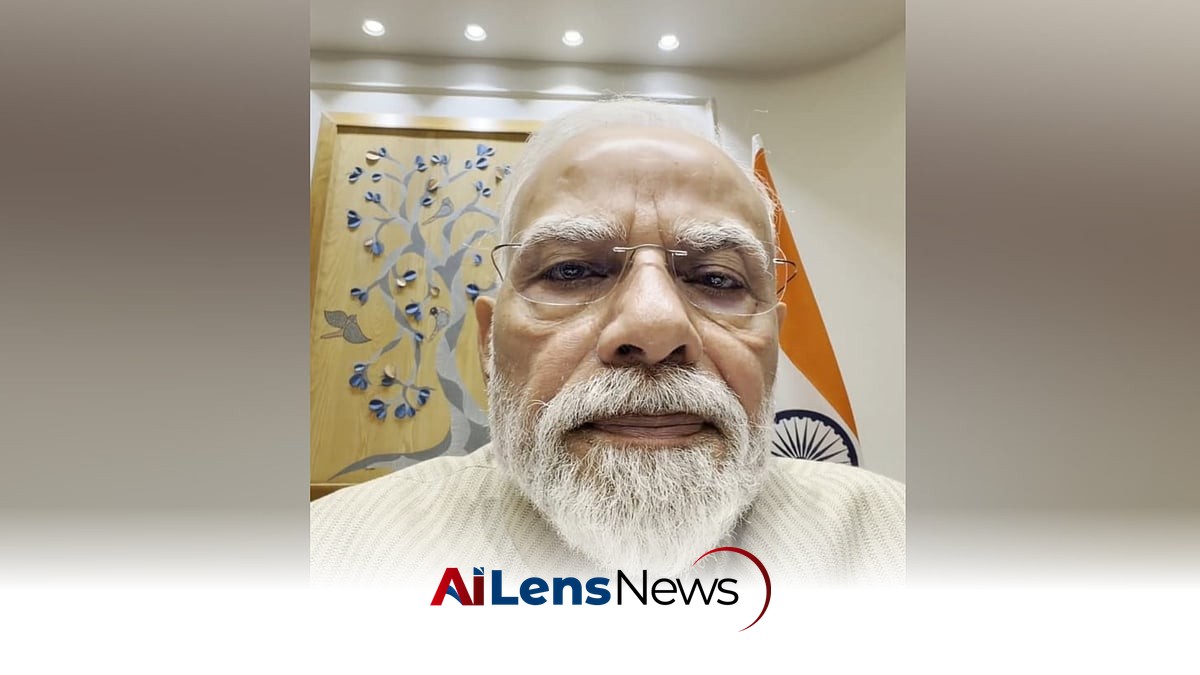


In a late-night video, PM Modi promises a draft Bill for fast-track courts and tougher penalties for examination paper leaks, amid ongoing protests.
New Delhi, India Jul 24, 2026 ALN: Follow TNM's WhatsApp channel for news updates and story links.
In a late-night selfie video posted on all his social media accounts, Prime Minister Narendra Modi announced that the Union Cabinet would consider a draft Bill providing for fast-track courts and stricter punishment for those involved in examination paper leaks. He also added that those who "harm the future of our youth will not be spared." This announcement comes at a critical time in India, where the integrity of educational examinations has been called into question due to a series of high-profile paper leak incidents.
In a self-recorded video message released shortly before midnight on Thursday, July 23, the Prime Minister stated that the government had already prepared a draft legislation and would seek Cabinet approval before introducing it in Parliament during the ongoing Monsoon Session. The urgency of this legislative action underscores the government's acknowledgment of the widespread public concern regarding examination integrity, particularly in a country where millions of students rely on these examinations for their academic and professional futures.
"I know that paper leaks are not an ordinary matter. For lakhs of students and their parents, it is extremely painful. And that is why, in the last two and a half months since the paper leak incidents, several major steps have been taken. The culprits have been caught; they are currently in jail," Modi said. This statement reflects the government's commitment to addressing the issue head-on, as it recognizes the emotional and psychological toll that such incidents can take on students and their families.
The Prime Minister emphasized the government's immediate priority of ensuring that students did not lose an academic year due to the disruptions caused by the leaks. "Our most important responsibility was to ensure that a whole year for the students is not wasted. It was very important to conduct the exams immediately. The government used its full strength to arrange exams for nearly 22 lakh students in the shortest possible time. The results were also announced on July 19," he stated. This rapid response indicates a proactive approach by the government to mitigate the adverse effects of the leaks and restore faith in the examination process.
Announcing the next phase of the government's response, Modi said, "We are not among those who are satisfied with just that. Today I have issued directions to the departments to set up fast-track courts. The departments worked tirelessly and, late last night, provided me with a draft. This draft, which includes provisions for fast-track courts and stringent punishments, will be discussed in the Cabinet tomorrow." The establishment of fast-track courts is particularly significant as it aims to expedite the judicial process for cases related to paper leaks, thereby ensuring swift justice for affected students and families.
He added that the Bill would be finalised after incorporating suggestions from Cabinet colleagues and that the government would make efforts to have it passed during the second week of the Monsoon Session beginning Monday. This collaborative approach within the Cabinet highlights the government's intent to build consensus and ensure that the legislation is comprehensive and effective in addressing the root causes of examination malpractice.
"Nothing is more important than the welfare and future of our youth. Those who try to harm the future of our youth will not be spared," the Prime Minister asserted. This strong rhetoric is designed to reassure the public that the government is taking the issue seriously and is willing to impose stringent measures to protect the integrity of educational assessments.
The announcement came amid nationwide protests over the alleged NEET-UG 2026 paper leak, with the Opposition and the CJP demanding the resignation of Union Education Minister Dharmendra Pradhan and a discussion on the issue in Parliament. The protests have highlighted the growing frustration among students and parents regarding the perceived ineffectiveness of the current educational administration in safeguarding the examination process.
Congress president and Leader of Opposition in Rajya Sabha Mallikarjun Kharge slammed the Prime Minister for releasing "a one-sided ‘Mann Ki Baat’ outside Parliament". He stated that they are ready for a discussion in the Parliament once he apologises to the students for the police violence that accompanied the protests. This statement reflects the broader political context in which the government's actions are being scrutinized, as opposition parties seek to hold the ruling party accountable for its handling of the situation.
Congress leader Rahul Gandhi criticized the Prime Minister's video message, alleging that it sidestepped the demand for the Education Minister's resignation. Rahul's remarks underscore the political tensions surrounding the issue, as opposition leaders leverage the situation to challenge the government's authority and demand accountability. He stated, "Mr Modi, our students are demanding Dharmendra Pradhan's resignation. Don't insult their intelligence with this pathetic midnight video. 1. Sack Pradhan. 2. Punish those who beat students. 3. Apologise." This list of demands illustrates the depth of dissatisfaction among the public and the opposition regarding the government's response to the crisis.
Congress leader Jairam Ramesh also reiterated these demands. He further added that the Modi-led government has been denying that the NEET-UG 2026 exam was leaked. “The Mantri Pradhan deliberately refused to use the word leak in his press conference and the Education Ministry officially denied that a paper leak occurred to the Parliamentary Standing Committee on Education. It is only the outpouring of public anger over the last two months that has made the Pradhan Mantri accept the truth.” This statement highlights the tension between the government's narrative and the public's perception of accountability, as well as the challenges facing the administration in managing public sentiment.
Law and Justice Minister Arjun Ram Meghwal stated that “even stricter decisions will be taken against paper leaks” on July 24. This commitment to enhancing legal measures against examination malpractice is indicative of the government's recognition of the need for systemic reforms to prevent future incidents.
The CJP-led agitation began over the alleged NEET-UG 2026 paper leak and examination irregularities, with protesters demanding sweeping reforms to the examination system, accountability for those responsible, and the resignation of Union Education Minister Dharmendra Pradhan. The protests at Delhi's Jantar Mantar later expanded into a nationwide movement, with the Opposition extending support and pressing for a discussion on the issue in Parliament. This escalation of protests reflects a growing sense of urgency among students and activists, who feel that the integrity of the educational system is under threat.
Activist Sonam Wangchuk joined the protest on June 28 and began an indefinite hunger strike in solidarity with the students. After spending 26 days on the fast, he ended his hunger strike early on July 24 at Medanta Hospital in Gurugram after what he described as "long negotiations" with the Union government and concerns over possible violence. Despite ending his fast, Wangchuk urged supporters to keep the movement peaceful, while the CJP said its agitation would continue. This episode highlights the lengths to which activists are willing to go to advocate for educational reform, as well as the potential for civil unrest when large segments of the population feel disenfranchised by the system.
To learn more about the latest developments in Crime & Law, stay updated with our exclusive reports and analyses on AiLensNews.

