

More
Checking your session
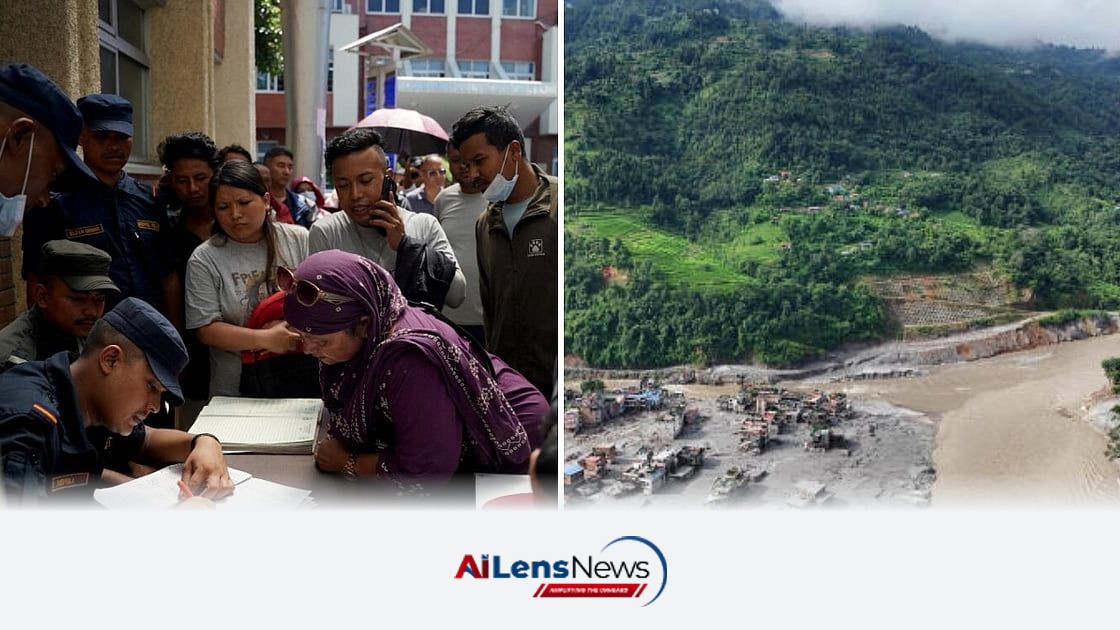



A devastating flash flood in Nepal has left nearly 300 Indian tourists missing and claimed 165 lives, according to Foreign Minister Shisir Khanal.
New Delhi, India Aug 27, 2026 ALN: Close to 300 Indian tourists are among thousands who are reportedly missing after a flash flood swept through parts of the Nepal-Tibet border, Foreign Minister Shisir Khanal told a TV channel Thursday. The incident, which took place on Wednesday, has resulted in significant loss of life and property, with the death toll currently standing at 165 and thousands more unaccounted for in the aftermath of this natural disaster.
The flash floods wreaked havoc across three districts in Nepal, particularly impacting the Rasuwa region, which is known for its scenic landscapes and is a popular destination for tourists, including those embarking on the Kailash Manasarovar Yatra pilgrimage. This pilgrimage attracts thousands of devotees each year, many of whom travel from India. The fact that at least 50 of the missing individuals were part of this pilgrimage highlights the intersection of tourism and vulnerability to natural disasters in this region.
Foreign Minister Khanal confirmed the grim situation, stating, "Thousands of families have lost homes and are missing as of now. We are still trying to ascertain the full extent of the disaster." This statement underscores the ongoing challenges faced by authorities in both Nepal and India as they attempt to locate missing individuals and provide assistance to those affected by the floods.
The National Disaster Risk Reduction and Management Authority (NDRRMA) reported that 826 people have been out of contact since the devastating flood swept through the area. The floods were triggered by an avalanche that blocked the flow of the Lhende tributary of the Bhotekoshi River, leading to significant water accumulation and subsequent flooding. The initial impact was felt in Timure, a village near Nepal's border with China at Rasuwagadhi, which has been a focal point for rescue operations.
In response to the disaster, the Indian Embassy in Kathmandu has taken proactive measures to assist Indian nationals affected by the flash floods. Emergency contact numbers have been issued for assistance and information related to missing individuals. The embassy has encouraged people to reach out to them via the numbers +977 985 131 6807 or +977 970 910 7500 for urgent inquiries. This quick response reflects the importance of international cooperation in times of crisis, particularly in regions where cross-border tourism is prevalent.
In addition to the Indian Embassy's efforts, the Nepal Tourism Board has also provided emergency contact numbers, including a toll-free emergency number (1234), a hotline (1144), and a Tourist Police number (9851289445). These measures are intended to facilitate communication and ensure that tourists and locals alike can access timely assistance during this challenging period.
Furthermore, the Indian Embassy in Beijing has also issued a helpline number (0086 185 1428 4905) to assist Indian citizens who may be in the area or require support. This indicates a coordinated effort by the Indian government to ensure the safety and well-being of its citizens abroad, particularly in the wake of such a devastating event.
The implications of this disaster extend beyond immediate rescue efforts. The flash floods highlight the increasing vulnerability of mountainous regions to climate-related disasters, which have become more frequent and intense in recent years. As climate change continues to impact weather patterns, areas like the Nepal-Tibet border may face heightened risks of similar events in the future.
This incident also raises questions about the preparedness of local infrastructure to handle such natural disasters, particularly in regions that are popular with tourists. The need for improved disaster response mechanisms, infrastructure resilience, and public awareness campaigns is critical to mitigate the impact of future disasters. Local authorities may need to assess and enhance their emergency response strategies, ensuring that both locals and visitors are better protected in the event of similar crises.
As rescue operations continue, the focus will also need to shift towards recovery and rehabilitation for affected communities. Thousands of families have been displaced, and the loss of homes and livelihoods can have long-term implications for the region's socio-economic fabric. The government and humanitarian organizations will need to work collaboratively to provide not only immediate relief but also long-term support to rebuild communities and restore normalcy.
In conclusion, the flash floods in Nepal have left a profound impact on the region, with significant loss of life and numerous individuals still unaccounted for. The ongoing efforts by the Indian and Nepalese governments to assist affected citizens and coordinate rescue operations are crucial in the immediate aftermath of this disaster. However, it also serves as a stark reminder of the need for enhanced disaster preparedness and resilience in the face of climate change-induced challenges that may threaten the safety and well-being of communities in the future.
To learn more about the latest developments in World News & International Affairs, stay updated with our exclusive reports and analyses on AILensNews.

World leaders express condolences and offer assistance as flash floods in Nepal …

In response to devastating floods in Nepal, India has dispatched a second flight…
Qatar has condemned Israel's raid on a UNRWA centre in East Jerusalem, calling i…

A recent analysis by the US Geological Survey reveals that the devastating flash…

India has dispatched a second flight with 37.5 tonnes of humanitarian supplies t…