

More
Checking your session
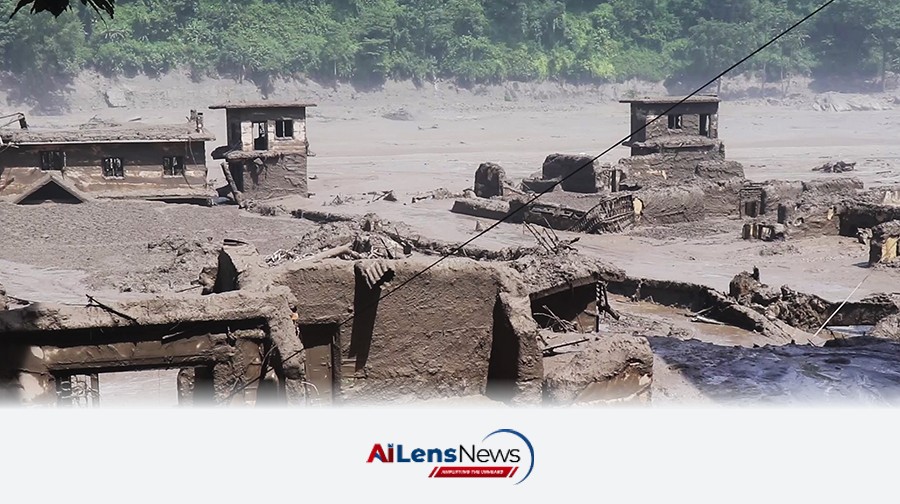



A devastating flash flood in Nepal has resulted in nearly 100 fatalities and left 133 Indian nationals missing, with extensive damage reported across several districts.
New Delhi, India Aug 27, 2026 ALN: A massive flash flood in Nepal has led to nearly 100 fatalities and left over 750 individuals, including 133 Indian nationals, missing. The disaster struck on Wednesday, devastating towns and villages, washing away critical infrastructure, and crippling hydropower projects. The scale of this tragedy highlights the vulnerability of the region to natural disasters, particularly in the context of climate change and geological instability.
Nepal, a country situated in the Himalayas, is particularly susceptible to flash floods and landslides due to its mountainous terrain and monsoon climate. The recent flooding was exacerbated by heavy rainfall, which is common during the monsoon season, typically lasting from June to September. However, the immediate cause of the flooding appears to be linked to an earthquake that struck the Tibet region at 8:37 am (local time), followed by the flash floods just three minutes later. This timing suggests that the tremors may have triggered a glacial outburst, leading to the catastrophic flooding.
The flood surged through the Bhote Koshi River, severely affecting the Rasuwa and Dhading districts that border Tibet. According to the National Disaster Risk Reduction and Management Authority, the flood entered the Trishuli River through the Bhote Koshi in Timure, a border town in Rasuwa district, due to a rockslide and swelling of the Lhende River along the Nepal-Tibet border. The rapid accumulation of water, debris, and ice from the glaciers in the region contributed to the intensity of the flooding.
The floodwaters then spread along the river course to other districts, including Nuwakot, Chitawan, Gorkha, Tanahu, and Nawalparasi East, covering areas ranging from approximately 70 km to nearly 200 km from the capital, Kathmandu. This wide-reaching impact underscores the interconnectedness of Nepal's river systems and the potential for localized disasters to have far-reaching consequences.
Among the missing are at least 133 Indians and 37 Non-Resident Indians (NRIs), with reports indicating that around 50 of the Indians were pilgrims participating in the Kailash Manasarovar Yatra, a significant religious pilgrimage that attracts thousands each year. The Isha Foundation, a non-profit organization based in India, reported that 77 of its members who were at an immigration center are also missing. This highlights the human cost of the disaster, as families and communities are left in distress over the fate of their loved ones.
The Nepal government has confirmed the recovery of 95 bodies, while around 500 individuals remain unaccounted for. Meanwhile, China's state-run CGTN news channel reported three fatalities and 265 missing on the Chinese side of the border. The cross-border nature of this disaster complicates the rescue efforts, as authorities must coordinate across national lines to account for all those affected.
Videos from the affected areas depict a powerful surge of muddy water, rocks, and debris sweeping through the region, with people fleeing as the torrent approached buildings and vehicles. One clip showed a four-storey structure being swept away, while another depicted a car floating in the floodwaters. Such visual evidence of the disaster's ferocity serves as a stark reminder of the power of nature and the need for effective disaster preparedness and response strategies.
Rescue operations have managed to save around 100 individuals from various parts of the affected areas, with 30 currently receiving treatment at Tribhuvan University Teaching Hospital in Kathmandu. The efforts to locate and rescue those missing are ongoing, with local authorities, military personnel, and volunteers working tirelessly to navigate the treacherous conditions in search of survivors.
Indian Prime Minister Narendra Modi spoke with his Nepalese counterpart, Balendra Shah, assuring him of all possible humanitarian assistance. New Delhi has already dispatched the first tranche of relief supplies to Nepal, demonstrating the importance of regional cooperation in times of crisis. The solidarity between the two nations is critical, especially given the historical ties and shared cultural heritage that bind them.
The Indian embassy in Kathmandu has issued emergency numbers for assistance related to Indian nationals affected by the floods. They can be reached at +977 985 131 6807 or +977 970 910 7500. The embassy is actively coordinating with Nepalese authorities for the rescue and relief of Indian nationals. This proactive approach is essential for ensuring that families can obtain timely information regarding their loved ones.
In addition, the Nepal Tourism Board has provided similar emergency contact numbers, including a toll-free number 1234 and a hotline 1144. The Indian embassy in Beijing has also issued a helpline number that can be contacted via WhatsApp, reflecting the need for effective communication channels during emergencies.
Isha Foundation founder Sadhguru stated that there has been no official information regarding the whereabouts of individuals at the immigration office, while 495 people have returned safely. The Nepal government later announced that the entire staff of that immigration center is currently out of contact. This raises concerns about the safety of the personnel and the challenges faced in communication and coordination during the crisis.
Among the missing tourists, 37 are from Thanjavur, as reported by authorities in Tamil Nadu. Several Indian states, including Uttar Pradesh and Kerala, have also issued helpline numbers, fearing that residents could be among those stranded in Nepal. In total, the remaining missing tourists hail from over two dozen countries, including the US, Malaysia, the UK, South Africa, Australia, and the Netherlands. This international dimension of the disaster underscores the need for a coordinated global response to assist those affected and facilitate their safe return home.
The implications of this disaster extend beyond immediate rescue efforts. It raises questions about disaster preparedness in Nepal, especially in the face of climate change and increased geological instability in the region. As the frequency and intensity of natural disasters are projected to rise due to climate change, it is imperative for governments and organizations to invest in infrastructure improvements, early warning systems, and community education to mitigate the impacts of such events in the future.
The current situation calls for not only immediate relief efforts but also a long-term commitment to building resilience against natural disasters. This includes enhancing the capacity of local communities to respond to emergencies, ensuring that infrastructure is designed to withstand extreme weather events, and fostering regional cooperation to address cross-border challenges. The tragic loss of life and the plight of those missing serve as a poignant reminder of the urgent need for action in the face of an increasingly unpredictable natural environment.
To learn more about the latest developments in World News & International Affairs, stay updated with our exclusive reports and analyses on AILensNews.

World leaders express condolences and offer assistance as flash floods in Nepal …

In response to devastating floods in Nepal, India has dispatched a second flight…
Qatar has condemned Israel's raid on a UNRWA centre in East Jerusalem, calling i…

A recent analysis by the US Geological Survey reveals that the devastating flash…

India has dispatched a second flight with 37.5 tonnes of humanitarian supplies t…