

More
Checking your session
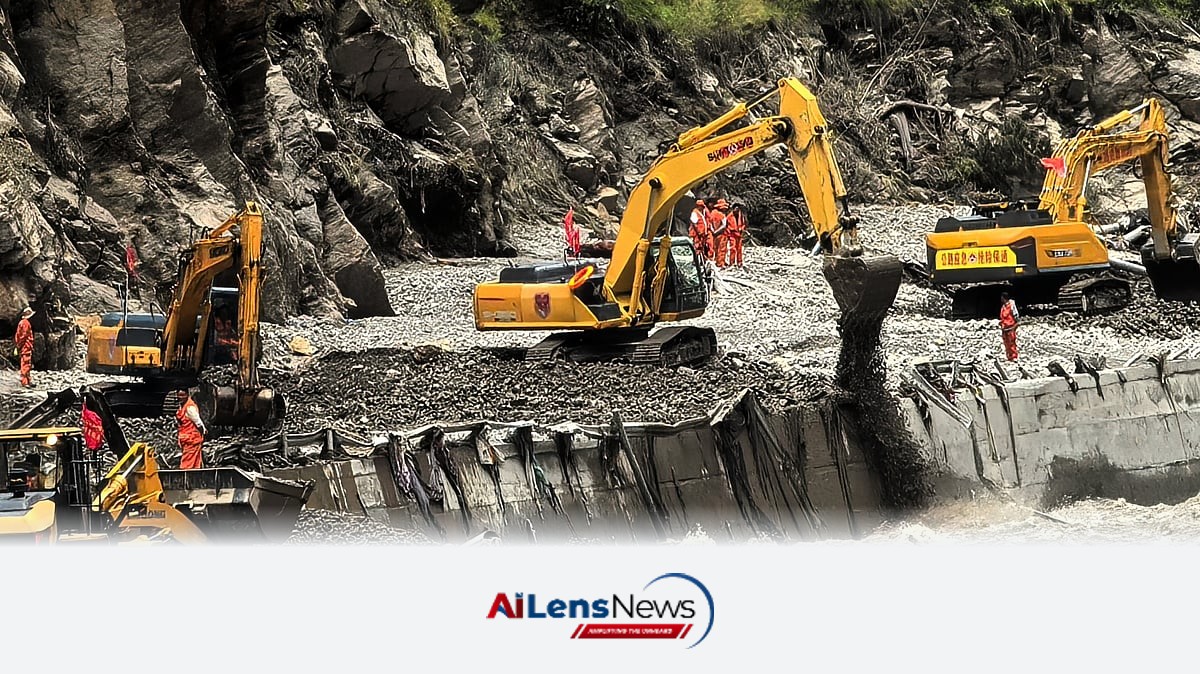



The death toll from devastating floods in Nepal has risen to 469, with extensive search and rescue operations still underway. Authorities report numerous missing persons.
New Delhi, India Aug 28, 2026 ALN: The recent flash floods in Nepal, which have resulted in a devastating death toll of 469, were triggered by an ice-rock avalanche near the Nepal-Tibet border. The disaster has prompted extensive rescue operations that have continued for three consecutive days, with authorities working tirelessly to recover victims and assist survivors.
The Nepal Police reported that the fatalities have been spread across eight districts, with Chitwan recording the highest number of deaths at 178. Other districts affected include Nawalparasi East with 110 deaths, Gorkha with 44, Nuwakot with 37, Dhading with 33, Tanahu with 28, Nawalparasi West with 27, and Rasuwa with 12. This widespread impact highlights the severe nature of the flooding and the challenges faced by rescue teams in reaching affected areas.
In addition to the tragic loss of life, the floods have left at least 1,545 individuals rescued from the affected regions, including those who were stranded due to the rapidly rising waters. Among these survivors, 84 people are currently receiving treatment in hospitals located in Kathmandu, reflecting the immediate health crisis caused by the disaster.
The scale of the rescue operation is significant, involving 7,451 security personnel, which includes 2,391 members from the Nepal Army. This mobilization underscores the urgency and gravity of the situation as teams work around the clock to locate and assist those who are missing or in distress.
The catastrophic event occurred on Wednesday, following a glacial collapse that triggered the ice-rock avalanche. This natural disaster unleashed a torrent of water, mud, and debris that swept through towns and villages, inundating homes, destroying vehicles, and obliterating roads and bridges. The damage to hydropower infrastructure is particularly concerning, as it may have long-lasting implications for Nepal's energy supply and economic stability.
As of now, Nepalese authorities have reported that 910 individuals are still missing, with rescuers tirelessly searching the river corridors that have become choked with mud and debris. Families of the missing have gathered at hospitals, anxiously awaiting news about their loved ones, as the search for the unaccounted continues.
On the Tibetan side of the border, the situation is similarly dire, with 558 individuals reported missing. This brings the total number of missing persons across both Nepal and Tibet to 1,468, highlighting the cross-border impact of this disaster.
Rescue efforts have been bolstered by the deployment of helicopters that are being used to reach isolated areas and evacuate survivors. Ground teams are also actively searching riverbanks and downstream settlements, as reported by local news outlets, including The Kathmandu Post. The coordination of these rescue efforts is critical, given the challenging terrain and the extent of the destruction.
In response to the disaster, the Nepal government has announced the suspension of all examinations starting August 29. Educational institutions have been instructed to reschedule these postponed exams at a more appropriate time. Education Minister and government spokesperson Sashmit Pokharel emphasized the importance of providing support to students and teachers during this crisis. The ministry has also urged schools and colleges to arrange psychological counseling for those affected, maintain regular contact with students and parents, and coordinate efforts to provide necessary assistance.
Meanwhile, the Chinese government has issued a Level-IV alert in response to the flooding, indicating that a large barrier lake has formed near the confluence of the Chhochen Khola and Purepu Tsangpo rivers in Nepal. China’s emergency response system for natural disasters operates on a four-level scale, with Level-I representing the most severe conditions and Level-IV indicating a lower level of urgency. This alert reflects the potential for further flooding and the need for ongoing monitoring and response efforts.
In addition to the local response, India has intensified its efforts to trace its nationals affected by the disaster. The Ministry of External Affairs (MEA) has reported that 290 Indian nationals remain uncontactable, and urgent efforts are underway to ascertain their whereabouts and coordinate their rescue. So far, the MEA has confirmed that 84 Indian nationals have been successfully rescued, including 63 workers from the under-construction Trishuli-I run-of-river hydroelectric project and 21 individuals from Tamil Nadu. Furthermore, approximately 200 Indian nationals on the Tibetan side have sought assistance from Indian authorities for evacuation, indicating the widespread impact of the disaster on cross-border communities.
The implications of this disaster extend beyond immediate rescue operations. The loss of life and infrastructure damage may have long-term effects on the affected communities, including economic hardship, displacement, and mental health challenges. As rescue operations continue, the focus will also need to shift towards recovery and rebuilding efforts, which will require significant resources and support from both the government and international community.
In summary, the flash floods in Nepal have resulted in a tragic loss of life and widespread destruction, prompting a large-scale response from both local and international authorities. The ongoing rescue operations are critical to locating missing persons and providing support to survivors, while the long-term implications of the disaster will require careful planning and coordination to ensure the recovery of affected communities.
As the situation evolves, it is essential for the authorities to maintain transparency and communication with the public, ensuring that those affected receive the necessary assistance and support during this challenging time.
To learn more about the latest developments in World News & International Affairs, stay updated with our exclusive reports and analyses on AILensNews.

A new roadmap has been established through international mediation to implement …

Tim Cook announces Apple's donation to aid flood relief and rebuilding efforts i…
The death toll from the devastating floods in Nepal and Tibet has risen to over …

Rescue efforts in Nepal are on hold as officials report rising water levels in a…

Qatar has welcomed the inaugural field verification mission of the Expanded Join…