

More
Checking your session
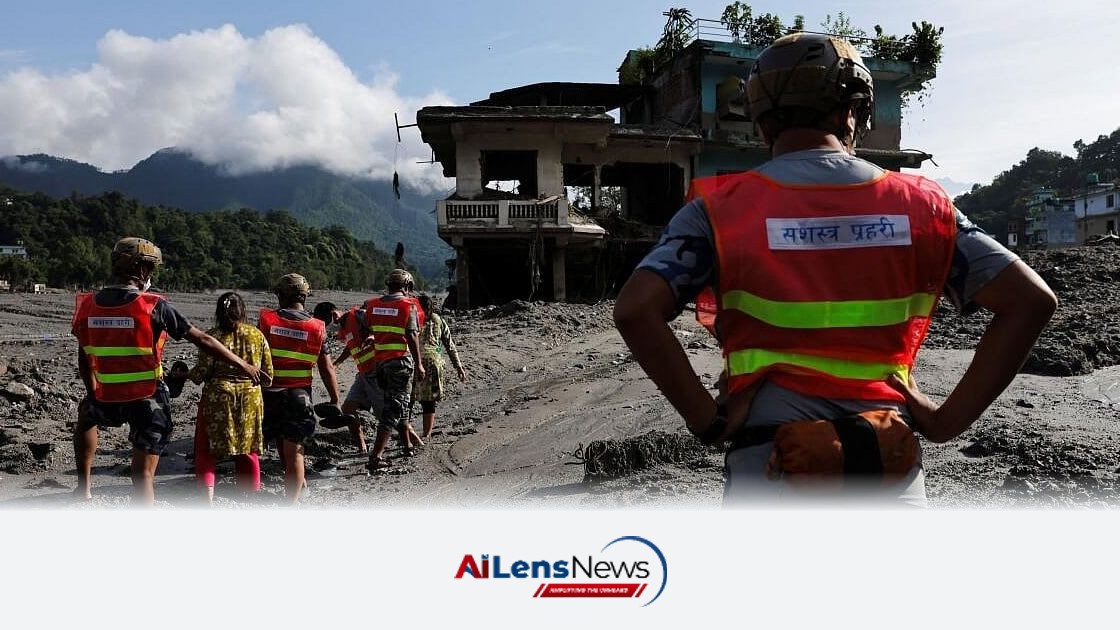



The devastating flash floods in Nepal have left over 1,000 people missing, with the death toll rising to 469. Rescue operations face challenges amid ongoing threats of secondary floods.
New Delhi, India Aug 27, 2026 ALN: The recent flash floods in Nepal have resulted in a tragic loss of life and widespread devastation. As of now, the death toll has reached 469, with authorities reporting that over 1,000 individuals remain unaccounted for. The situation is dire, prompting urgent calls for effective rescue operations. The floods, which have been exacerbated by heavy monsoon rains, have struck various regions, particularly affecting low-lying areas and communities along riverbanks. The scale of the disaster has drawn attention both domestically and internationally, highlighting the vulnerabilities of the region to such natural calamities.
Rescue efforts near the Nepal border have been temporarily halted due to the imminent threat of secondary flash floods from an overflowing barrier lake. This decision has raised concerns about the safety of both rescuers and victims. The anticipation of additional flooding complicates the already challenging conditions faced by rescue teams, who are working tirelessly to locate missing persons and provide assistance to those in need. The Nepalese government, alongside local agencies, is grappling with the dual challenge of conducting rescues while ensuring the safety of personnel involved in these high-risk operations.
Among those missing are at least 288 Indian tourists, highlighting the risks faced by pilgrims and travelers in the region. The Indian government has initiated efforts to track and assist its citizens affected by the floods. This situation underscores the interconnectedness of the region, where tourism plays a significant role in the local economy. The presence of Indian nationals in the affected areas raises further questions about the safety and preparedness of tourism infrastructure in Nepal, particularly during the monsoon season when the risk of flooding is heightened.
Nepal's foreign ministry has stated that the country does not require foreign assistance for search and rescue operations, emphasizing the capabilities of its security agencies. However, international offers of help have been made, including from US President Donald Trump, who described the devastation as "brutal" and offered any necessary support. This response from the international community reflects a growing awareness of the humanitarian implications of natural disasters and the importance of solidarity in times of crisis. While Nepal's government asserts its capacity to manage the situation, the potential for international collaboration remains a topic of discussion, particularly regarding long-term recovery and rebuilding efforts.
In neighboring Tibet, over 1,000 people, including tourists, have been evacuated from areas affected by the floods. The situation remains precarious, with ongoing risks of further flooding. The Chinese authorities have mobilized resources to ensure the safety of residents and visitors, demonstrating a proactive approach to disaster management in the region. The evacuation efforts highlight the broader impact of the floods, which transcend national borders and necessitate coordinated responses among neighboring countries. This aspect of disaster response emphasizes the importance of regional cooperation in addressing natural disasters that affect multiple nations.
In a related development, a group of 37 pilgrims from Maharashtra, stranded in Tibet after completing the Kailash Mansarovar Yatra, have begun their journey back to Kathmandu following intervention from local authorities. This incident illustrates the challenges faced by pilgrims and tourists during the monsoon season, particularly in areas known for their rugged terrain and susceptibility to extreme weather. The Kailash Mansarovar Yatra is a significant pilgrimage for many, and the disruption caused by the floods has raised concerns about the safety and preparedness of such religious journeys in the future.
The floods have not only caused loss of life but have also disrupted the lives of many, with reports of stranded individuals and damaged infrastructure. The destruction of roads, bridges, and communication lines has hindered rescue efforts and complicated the delivery of aid to affected communities. Experts are calling for better scientific assessments of glacial lakes to prevent such disasters in the future. The increasing frequency and intensity of flooding events in Nepal highlight the urgent need for improved disaster preparedness and response strategies, as well as investments in infrastructure that can withstand the impacts of climate change.
The situation in Nepal remains critical as rescue operations continue amidst the threat of further flooding. The international community watches closely, with hopes for a swift resolution to this humanitarian crisis. As the nation grapples with the immediate aftermath of the floods, the focus will inevitably shift towards recovery and rebuilding efforts, which will require significant resources and support. The lessons learned from this disaster may also inform future policies aimed at enhancing resilience against natural disasters, ensuring that communities are better equipped to face the challenges posed by climate change and extreme weather events.
To learn more about the latest developments in World News & International Affairs, stay updated with our exclusive reports and analyses on AILensNews.

A new roadmap has been established through international mediation to implement …

Tim Cook announces Apple's donation to aid flood relief and rebuilding efforts i…

The death toll from the devastating floods in Nepal and Tibet has risen to over …

Rescue efforts in Nepal are on hold as officials report rising water levels in a…

Qatar has welcomed the inaugural field verification mission of the Expanded Join…