

More
Checking your session
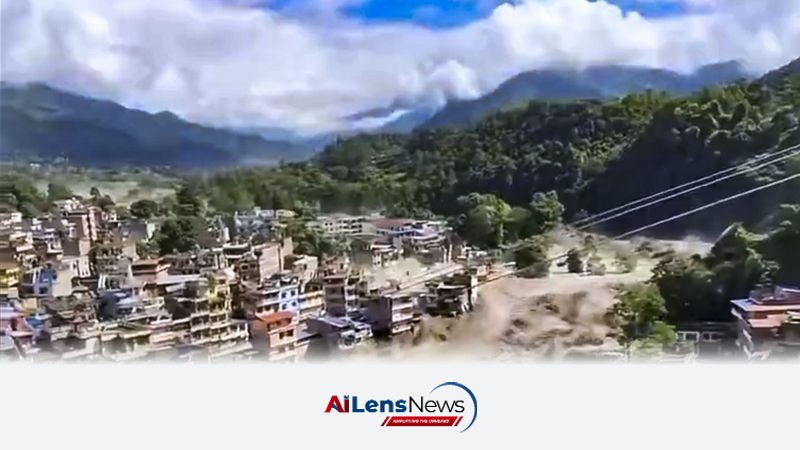



A devastating flash flood in Nepal's Rasuwa district has resulted in 72 fatalities and left 133 Indian nationals unaccounted for, prompting a large-scale rescue effort.
New Delhi, India Aug 27, 2026 ALN: A sudden flash flood struck Nepal’s Rasuwa district on Wednesday, leading to catastrophic consequences. The disaster has claimed the lives of at least 72 individuals across seven districts, while 133 Indian nationals are reported missing, raising concerns about the safety of those affected. This tragic event has not only devastated families but also highlighted the vulnerabilities of communities living in flood-prone areas.
The flash flood was triggered by heavy rainfall, which caused rivers to overflow and inundate nearby areas. The Rasuwa district, located along the border with Tibet, was particularly hard hit, with numerous homes and infrastructure severely damaged or destroyed. The floodwaters swept away entire neighborhoods, leaving behind a trail of destruction. The impact of such natural disasters is often exacerbated in mountainous regions like Rasuwa, where steep terrain can lead to rapid runoff and flash flooding.
In addition to the immediate loss of life, the flood has disrupted essential services, including access to clean water, healthcare, and transportation. Schools and local businesses have also been affected, further complicating recovery efforts. The psychological toll on survivors, who have lost loved ones and their homes, cannot be understated. Many are left grappling with trauma and uncertainty about their future.
In response to the crisis, a massive cross-border rescue operation has been initiated. Teams from both Nepal and India are working together to locate the missing individuals and provide assistance to those displaced by the flooding. Local authorities have mobilized resources, including helicopters and rescue boats, to reach the most affected areas. The collaboration between Nepalese and Indian rescue teams is a testament to the strong ties between the two nations, particularly in times of crisis.
Rescue operations have been complicated by the challenging weather conditions and the rugged terrain of the region. Search and rescue teams are working tirelessly, often in hazardous conditions, to locate survivors and provide aid. The involvement of local volunteers has been crucial, as they possess intimate knowledge of the area and can navigate through the debris more effectively than outside teams.
The Nepalese government has declared a state of emergency in the affected regions. Officials are coordinating with various agencies to ensure that relief supplies, including food, water, and medical assistance, are delivered promptly to those in need. The Prime Minister has expressed condolences to the families of the victims and vowed to take necessary measures to prevent such disasters in the future. This includes reviewing existing disaster management protocols and investing in infrastructure improvements to enhance resilience against future flooding.
The declaration of a state of emergency also facilitates the allocation of additional resources and manpower to the affected areas. It allows for more streamlined communication and coordination between government agencies, NGOs, and international aid organizations that may wish to assist in recovery efforts.
Local communities have come together to support rescue efforts, with volunteers assisting in the distribution of aid and helping to search for missing persons. The solidarity shown by residents highlights the resilience of the community in the face of adversity. Many individuals have opened their homes to displaced families, offering shelter and support during this difficult time.
The outpouring of support from neighboring communities and even from distant regions demonstrates the collective spirit of humanity in times of crisis. Fundraising initiatives have emerged, with people donating money, food, clothing, and other essential items to aid the recovery efforts. Social media has played a vital role in spreading awareness and mobilizing resources quickly.
The situation remains critical as rescue operations continue. Authorities are urging residents to stay vigilant and adhere to safety guidelines as they work to recover from this tragic event. The loss of life and the plight of the missing individuals underscore the urgent need for improved disaster preparedness and response mechanisms in the region.
In the wake of this disaster, it is imperative for both the Nepalese government and local communities to engage in comprehensive planning for future emergencies. This includes investing in early warning systems, enhancing infrastructure to withstand extreme weather events, and fostering community awareness of disaster preparedness. The lessons learned from this tragedy must inform future policies to protect vulnerable populations from the increasing threat of climate-related disasters.
As recovery efforts progress, the focus will also need to shift towards long-term rebuilding and rehabilitation, ensuring that affected communities are not only restored but also fortified against future disasters. The road to recovery will be long and challenging, but with collaborative efforts and a commitment to resilience, there is hope for a brighter future for the people of Rasuwa and the surrounding areas.
To learn more about the latest developments in World News & International Affairs, stay updated with our exclusive reports and analyses on AILensNews.