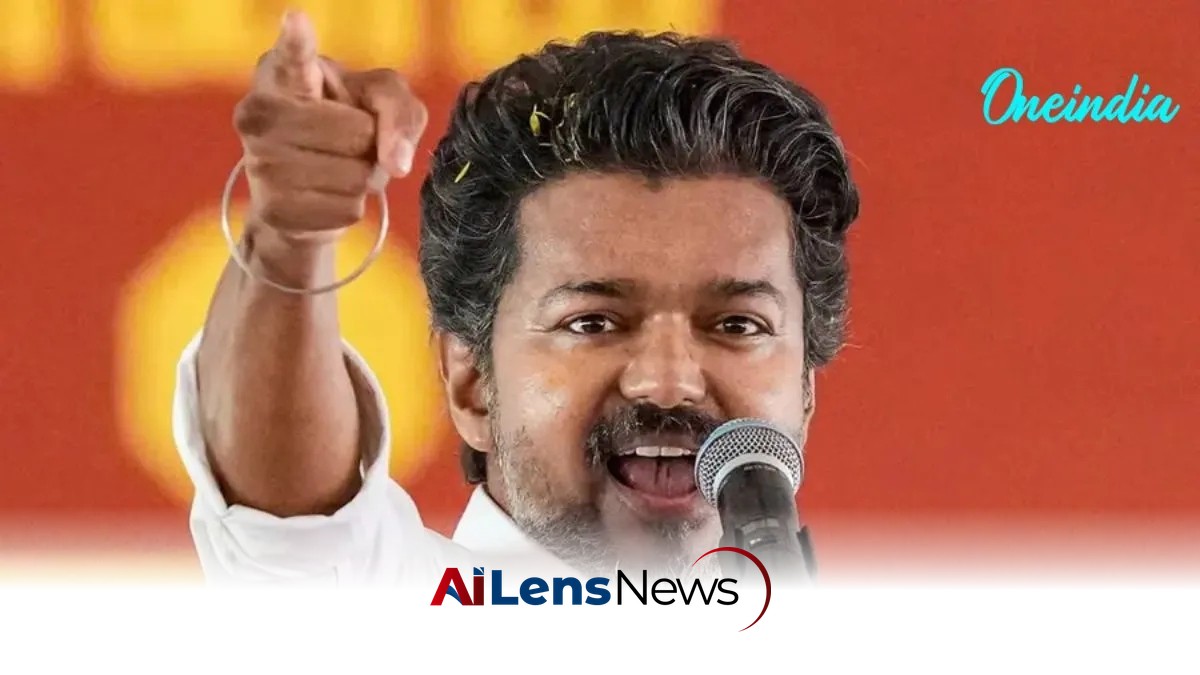


NEET: ದೆಹಲಿಯಲ್ಲಿ ನಡೆದ ಪ್ರತಿಭಟನೆಯ ಹಿನ್ನೆಲೆಯಲ್ಲಿ ತಮಿಳುನಾಡು ಸಿಎಂ ವಿಜಯ್ ಅವರು ತಮ್ಮ ಬೆಂಬಲವನ್ನು ವ್ಯಕ್ತಪಡಿಸಿದ್ದಾರೆ. ನೀಟ್ ಪರೀಕ್ಷೆಯಲ್ಲಿನ ಅಕ್ರಮಗಳ ವಿರುದ್ಧ ಪ್ರತಿಭಟಿಸುತ್ತಿರುವ ಯುವಕರನ್ನು ಬೆಂಬಲಿಸುತ್ತಾರೆ.
ನ್ಯೂ ಡೆಲ್ಹಿ, ಭಾರತ ಜುಲೈ 22,2026 ALN: The National Eligibility cum Entrance Test (NEET) has been a contentious issue in India, particularly in Tamil Nadu, where the state government has consistently voiced its opposition to the examination. This examination serves as a gateway for students aspiring to pursue medical education in the country. However, it has faced criticism for its perceived inequities and the challenges it poses to students from diverse backgrounds. In recent months, the NEET examination process has come under scrutiny due to allegations of question paper leaks and incidents of violence against students, which have ignited widespread protests, particularly in Delhi.
In a significant development, Tamil Nadu Chief Minister Vijay has broken his silence regarding these protests, expressing support for the demonstrators and condemning the detention of opposition leaders, including Rahul Gandhi, who have taken to the streets in solidarity with the affected students. The involvement of prominent political figures in these protests underscores the gravity of the situation and the collective frustration among various stakeholders regarding the NEET examination.
On July 21, an unfortunate incident occurred in Delhi, which prompted opposition parties, including Vijay's party, the Dravida Munnetra Kazhagam (DMK), to organize protests within the Parliament premises. The DMK has maintained a firm stance against the NEET examination system, advocating for its complete abolition. Chief Minister Vijay has stated that his party will fully support the protest organized by the Tamil Nadu Tamilaga Vetrikalan (TVK) party against the recent events, indicating a united front among opposition parties in Tamil Nadu against the central government's policies on education.
Vijay articulated that for the NEET examination to be abolished, the responsibility for education must be transferred to the state list. He argues that this is the only permanent solution to the ongoing issues surrounding medical education and entrance examinations in India. He pointed out that if there are any legal or procedural hurdles in this regard, the government should create an interim solution by establishing a Special Concurrent List, which would empower state governments with authority over education and medical education-related matters. This, he believes, would ensure that states have complete control and autonomy in these critical areas, allowing them to tailor educational policies to better suit local needs and contexts.
Vijay has reiterated that the central government must respect the sentiments of the people and students of Tamil Nadu. He has called for the complete abolition of the NEET examination, asserting that this is the only viable solution to the ongoing crisis. He condemned the actions taken by the central government and Delhi police against the protesting youth leaders, labeling them as "anti-democratic" and deeply regrettable. His comments reflect a broader sentiment among many in Tamil Nadu who view the NEET examination as an imposition by the central government that undermines the state's educational autonomy and disregards regional disparities.
In a recent post on social media platform X, Vijay shared his thoughts on the issue, outlining two significant recommendations aimed at addressing the persistent challenges related to education and medical admissions in the country. These recommendations are seen as crucial steps toward achieving a more equitable and accessible educational framework, particularly in a country as diverse as India.
1. Permanent Solution (State List):
Vijay proposes that education should be transferred to the state list, allowing state governments to make decisions related to the admission process. This would empower states to tailor their educational systems to better meet the needs of their populations, particularly in areas such as medical education where regional disparities are often pronounced. This recommendation aligns with the principle of federalism, which advocates for decentralization and local governance, enabling states to address unique challenges faced by their residents.
2. Interim Solution (Special Concurrent List):
In the event of any legal obstacles, Vijay suggests the creation of a Special Concurrent List until permanent changes can be implemented. This would grant state governments full authority over education and medical entrance examinations, ensuring that they can address local needs and concerns effectively. The establishment of such a list could serve as a temporary measure to alleviate immediate tensions while longer-term reforms are debated and enacted.
The ongoing debate surrounding the NEET examination is not just a matter of educational policy; it also touches upon larger themes of federalism and state autonomy in India. The central government's insistence on a uniform entrance examination for medical colleges has been met with resistance from various states, particularly those that have historically had their own admission processes. Critics argue that standardized tests like NEET disadvantage students from rural and economically disadvantaged backgrounds, further entrenching inequalities in access to quality education. This concern is particularly relevant in a country where disparities in educational infrastructure and resources are stark.
The protests in Delhi and the subsequent statements from leaders like Vijay and Rahul Gandhi highlight the growing discontent with the central government's approach to education policy. As the situation unfolds, it remains to be seen how the central government will respond to these demands and whether any meaningful changes will be made to the NEET examination process. The involvement of various political parties in the protests indicates that this is not merely a localized issue, but one that resonates with a broader audience across India, reflecting widespread dissatisfaction with educational governance.
Moreover, the implications of this debate extend beyond the immediate concerns of medical admissions. The way that education policy is shaped in India has long-standing effects on the country's socio-economic landscape. Ensuring equitable access to education is not only a matter of fairness but also a critical component of national development. As various stakeholders continue to engage in this discourse, the outcomes may very well influence the future of educational governance in India. The relationship between state and central governments will also be tested as they navigate these complex issues.
In conclusion, the recent developments surrounding the NEET examination and the protests in Delhi signal a significant moment in the ongoing struggle for educational reform in India. Chief Minister Vijay's vocal opposition to the examination and the support for protesting students reflect a broader call for change that resonates with many in Tamil Nadu and beyond. As the dialogue continues, it is imperative for all parties involved to seek solutions that prioritize the needs and rights of students, ensuring that education remains a pathway to opportunity for all. The outcome of this debate may not only reshape medical education in India but could also set precedents for how educational policies are formulated and implemented in the future.
To learn more about the latest developments in Crime & Law, stay updated with our exclusive reports and analyses on AiLensNews.

